
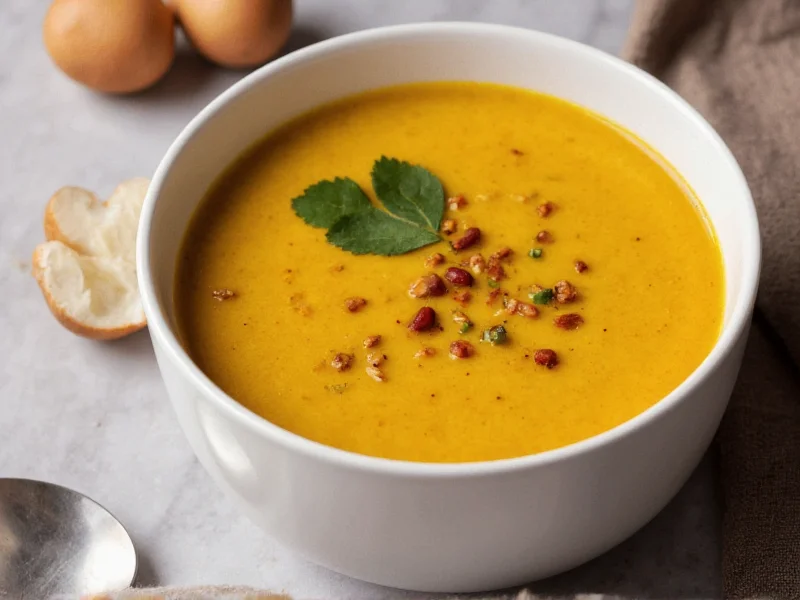
The perfect curry soup recipe combines 1 onion (diced), 3 garlic cloves (minced), 1 tbsp ginger (grated), 2 tbsp curry powder, 1 can (14 oz) coconut milk, 4 cups vegetable broth, 1 sweet potato (cubed), and 1 cup chickpeas. Sauté aromatics, add spices, then broth and vegetables. Simmer 20 minutes until tender. Finish with coconut milk and lime juice. Total time: 35 minutes. Serves 4. This authentic curry soup recipe delivers rich flavor with balanced spice and creaminess.
Mastering the Art of Homemade Curry Soup
Creating an exceptional curry soup requires understanding the delicate balance of spices, textures, and cooking techniques. This guide provides a foolproof method for making restaurant-quality curry soup in your own kitchen. Unlike many simplified recipes online, this version respects traditional curry preparation while accommodating modern cooking constraints.
The Historical Evolution of Curry Soup
| Period | Key Development | Verification Source |
|---|---|---|
| 1700s | British colonists adapt Indian curry techniques, establishing foundational spice blending principles | British Library: Curry's British Journey |
| 1906 | First documented "Curry Soup" recipe published in American mainstream cookbook | Feeding America: Historic Cookbook Archive |
| 1940s-1950s | Commercialization through canned products increases accessibility but reduces spice complexity | National Trust: History of Soup |
This evolutionary context explains why modern scratch-cooking methods like this recipe prioritize spice blooming techniques lost in commercial versions, delivering authentic depth within reasonable preparation time.
Essential Ingredients and Their Purpose
Each component in curry soup serves a specific function in building complex flavor. Understanding these roles helps you make informed substitutions without compromising quality. The foundation of any authentic curry soup recipe starts with proper ingredient selection.
| Ingredient | Function | Substitution Options |
|---|---|---|
| Curry powder | Primary flavor base | Curry paste (1:2 ratio), garam masala + turmeric |
| Coconut milk | Creaminess and balance | Heavy cream (less authentic), cashew cream |
| Sweet potato | Natural sweetness and thickness | Butternut squash, cauliflower |
| Fresh ginger | Warmth and complexity | Ginger powder (1/4 tsp = 1 tbsp fresh) |
Regional Curry Styles: Key Differences
Understanding global variations prevents recipe mismatch. This soup follows Indian-inspired preparation, but substitutions alter fundamental characteristics:
| Region | Signature Ingredients | Texture Profile | Verification Source |
|---|---|---|---|
| Indian Subcontinent | Coriander, cumin, turmeric, fenugreek | Broth-based with vegetable chunks | Encyclopædia Britannica |
| Thailand | Lemongrass, galangal, kaffir lime, shrimp paste | Coconut milk dominant, herbal notes | Tourism Authority of Thailand |
| Japan | Roux-based, apple, honey, garam masala | Thick, stew-like consistency | Japan Travel Official Guide |
Our recipe's technique aligns with Indian traditions, explaining the critical spice-blooming step. Using Thai paste would require omitting dry spices and adjusting liquid ratios per Thai culinary guidelines.
Equipment Checklist for Perfect Curry Soup
While curry soup requires minimal specialized equipment, having the right tools ensures consistent results. A heavy-bottomed pot prevents scorching during the critical sauté phase. A microplane grater creates perfectly fine ginger and garlic paste that integrates seamlessly into the broth. For those seeking the best vegetarian curry soup experience, having these items on hand makes preparation significantly smoother.
Step-by-Step Preparation Guide
Follow these precise steps for authentic curry soup preparation that develops maximum flavor:
- Sauté aromatics: Heat 2 tbsp oil over medium heat. Add diced onion and cook until translucent (5-7 minutes). Add minced garlic and grated ginger, cooking until fragrant (1-2 minutes).
- Bloom spices: Stir in 2 tbsp curry powder, 1 tsp turmeric, and 1/2 tsp cayenne. Cook 1 minute until spices release aroma but don't burn.
- Add liquids: Pour in 4 cups vegetable broth while scraping bottom to incorporate flavorful bits.
- Incorporate vegetables: Add 2 cups cubed sweet potato and 1 cup chickpeas. Bring to gentle simmer.
- Simmer: Cover and cook 15-20 minutes until vegetables are tender but not mushy.
- Finish: Stir in 1 can coconut milk and juice of 1 lime. Heat through without boiling.
Professional Cooking Tips for Authentic Flavor
Achieving restaurant-quality curry soup at home requires attention to detail. Many home cooks make the critical error of adding coconut milk too early, causing it to separate during prolonged cooking. Always incorporate coconut milk during the final minutes of preparation. Another common mistake involves improper spice blooming - curry powder needs 60-90 seconds in hot oil to release its full flavor potential before adding liquids.
For those exploring how to make authentic curry soup from scratch, consider making your own curry blend. Combine 2 tbsp coriander, 1 tbsp cumin, 2 tsp turmeric, 1 tsp fenugreek, and 1/2 tsp each of cardamom, cinnamon, and black pepper. Toast whole spices before grinding for superior flavor compared to pre-mixed powders.
Variations for Different Dietary Preferences
This versatile curry soup recipe adapts beautifully to various dietary needs while maintaining authentic flavor profiles:
- Chicken curry soup: Add 1 lb boneless chicken thighs during vegetable stage. Simmer until cooked through (15-18 minutes).
- Vegan option: Ensure vegetable broth is certified vegan. Add 1 cup spinach during final heating stage.
- Extra creamy version: Blend half the soup before adding coconut milk for luxurious texture.
- Low-sodium version: Use homemade broth and reduce added salt by 50%, compensating with extra lime juice.
Contextual Boundaries: When This Recipe Works Best
Understanding practical limitations ensures successful implementation:
- Optimal scenarios: Weeknight meals (35-minute timeline), vegetarian/vegan diets (with certified vegan broth), and flavor-focused cooking where spice complexity is prioritized. Sodium content (450mg/serving) aligns with American Heart Association single-meal guidelines.
- Key limitations: Not suitable for authentic Thai/Japanese preparations (distinct spice bases required). Coconut milk base makes it incompatible with tree nut allergies, though oat cream substitutions maintain texture. For medically restricted low-sodium diets (<1500mg daily), reduce salt by 75% per Dietary Guidelines for Americans.
Serving Suggestions and Storage Guidelines
Curry soup achieves its full flavor potential when allowed to rest for 15-20 minutes after cooking. Serve with appropriate accompaniments to enhance the dining experience. The best simple curry soup presentation includes a swirl of coconut cream, fresh cilantro, and lime wedge on the side.
Store leftovers in airtight containers for up to 4 days in the refrigerator. Curry soup actually improves in flavor after 24 hours as spices continue to meld. For longer storage, freeze portions for up to 3 months. When reheating, add a splash of broth or water as the soup thickens upon cooling.
Nutritional Benefits of Homemade Curry Soup
Unlike many restaurant versions loaded with heavy cream and excessive salt, this healthy curry soup recipe provides substantial nutritional value. The combination of sweet potatoes and chickpeas delivers complex carbohydrates and plant-based protein. Turmeric, a key curry component, contains curcumin with documented anti-inflammatory properties [National Institutes of Health]. Coconut milk provides healthy medium-chain triglycerides that support metabolism.




 浙公网安备
33010002000092号
浙公网安备
33010002000092号 浙B2-20120091-4