

The Essential Components of Perfect Creamy Pepper Sauce
Creating an exceptional homemade creamy pepper sauce requires understanding each ingredient's role. The foundation begins with a quality pan deglaze using brandy or white wine, which lifts flavorful browned bits from searing meats. A roux made from equal parts butter and flour provides necessary thickening without overpowering the delicate cream base.
Freshly cracked black pepper is non-negotiable for authentic flavor—pre-ground pepper lacks the aromatic complexity needed. The cream component should be heavy cream or crème fraîche for optimal texture and stability. Many professional chefs incorporate a small amount of Dijon mustard for depth and to prevent curdling. The sauce achieves its signature smooth consistency through careful temperature control during preparation.
Historical Evolution of Creamy Pepper Sauce
Creamy pepper sauce has evolved significantly from its medieval origins. Historically, pepper was a luxury spice used in European courts to demonstrate wealth, with records showing it accepted as collateral for loans during the Middle Ages according to the British Library's historical archives [1]. The modern creamy version emerged from French culinary traditions in the 19th century, where chefs began incorporating dairy to mellow pepper's intense heat.
Key milestones in the sauce's development include:
- Medieval Era (5th-15th Century): Whole peppercorns used in vinegar-based sauces for meat preservation and status display
- 1800s: French chefs introduced cream reductions; Auguste Escoffier formalized techniques in Le Guide Culinaire (1903) [2]
- Mid-20th Century: American steakhouses popularized "peppercorn cream sauce" with filet mignon
- Present Day: Global variations incorporate chipotle, green peppercorns, and regional spice blends
Step-by-Step Preparation Method
Follow this professional technique for restaurant-quality results:
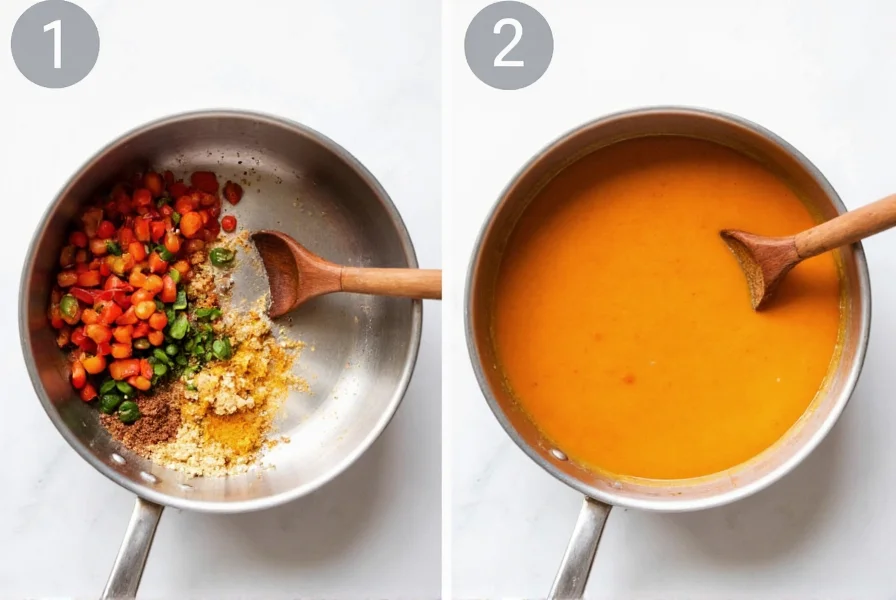
- Sear your protein (steak, chicken, or pork) in a hot skillet, then remove and set aside
- Add 1 tablespoon of brandy to the pan, scraping up browned bits
- Melt 2 tablespoons of butter and whisk in 2 tablespoons of flour to create a roux
- Gradually add 1 cup of beef or chicken stock while whisking constantly
- Reduce heat and stir in 1 cup of heavy cream and 1½ teaspoons of freshly cracked black pepper
- Simmer gently for 5-7 minutes until slightly thickened
- Finish with 1 teaspoon of Dijon mustard and salt to taste
- Return your protein to the pan to coat in the sauce before serving
Variations for Different Culinary Applications
Creamy pepper sauce adapts beautifully to various cooking needs. Understanding these variations helps you create the perfect sauce for any dish:
| Variation Type | Key Modifications | Best Paired With |
|---|---|---|
| Classic Black Pepper | Coarsely cracked Tellicherry peppercorns | Filet mignon, roasted potatoes |
| Green Peppercorn | 8-10 green peppercorns in brine, lightly crushed | Pork tenderloin, veal dishes |
| White Pepper | Finely ground white pepper (½ teaspoon) | Chicken breasts, seafood pasta |
| Spicy Chipotle | 1 minced chipotle pepper in adobo + ½ teaspoon black pepper | Grilled skirt steak, roasted vegetables |
Perfect Pairings for Creamy Pepper Sauce
The versatility of creamy pepper sauce makes it suitable for numerous dishes beyond the traditional steak accompaniment. For poultry applications, try it with pan-seared chicken breasts or turkey cutlets. It transforms simple pasta dishes into restaurant-quality meals when tossed with fettuccine and sautéed mushrooms. Vegetarian options include drizzling over roasted asparagus or cauliflower steaks.
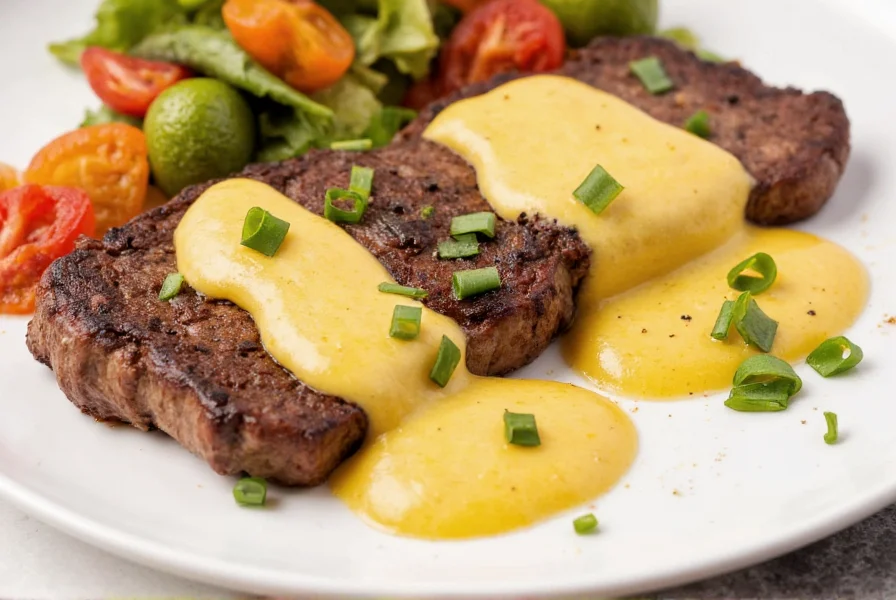
When serving creamy pepper sauce for steak dishes, allow the sauce to rest for 5 minutes after preparation before serving. This brief resting period lets the flavors meld and the texture stabilize. For optimal presentation, spoon the sauce around rather than over your protein to maintain visual appeal.
Contextual Boundaries: Limitations and When to Avoid
While versatile, creamy pepper sauce has specific limitations requiring careful consideration. The University of Minnesota Extension's food safety guidelines note that dairy-based sauces should never be served to individuals with lactose intolerance without substitution, as dairy proteins trigger adverse reactions [3]. Key boundary conditions include:
- Flavor Incompatibility: Avoid with delicate seafood (sole, flounder) where sauce overpowers subtle notes, or dishes featuring dominant herbs like cilantro and dill
- Chemical Instability: High-acid ingredients (tomatoes, citrus, vinegar) cause immediate curdling due to dairy protein coagulation per USDA food science principles [4]
- Dietary Restrictions: Incompatible with vegan, dairy-free, or low-fat diets without fundamental recipe alterations
- Temperature Thresholds: Must be held below 40°F (4°C) or above 140°F (60°C) per USDA safety standards to prevent bacterial growth [4]
Always evaluate dish composition, dietary needs, and safety parameters before application.
Storage and Reheating Guidelines
Proper storage extends the life of your homemade creamy pepper sauce. Store in an airtight container in the refrigerator for up to 4 days. For longer preservation, freeze in ice cube trays then transfer to freezer bags for up to 3 months.
Reheating requires special attention to prevent separation. Warm over low heat while whisking constantly. If separation occurs, create a slurry of 1 teaspoon cornstarch mixed with 2 tablespoons cold water, then whisk into the warming sauce. Never boil creamy sauces after the dairy has been added, as this causes curdling.
Common Mistakes and Troubleshooting
Even experienced cooks encounter issues with creamy pepper sauce. Understanding these common problems ensures consistent results:
- Sauce too thin: Simmer longer to reduce, or create a cornstarch slurry (1:2 ratio cornstarch to cold water)
- Sauce too thick: Gradually whisk in additional stock or cream, 1 tablespoon at a time
- Sauce curdled: Immediately remove from heat and blend in an immersion blender; next time, temper the cream by gradually adding hot liquid before incorporating
- Pepper flavor too harsh: Balance with a pinch of sugar or additional cream; use less pepper next time
- Lack of depth: Ensure proper deglazing of pan after searing protein; consider adding a splash of Worcestershire sauce




 浙公网安备
33010002000092号
浙公网安备
33010002000092号 浙B2-20120091-4