
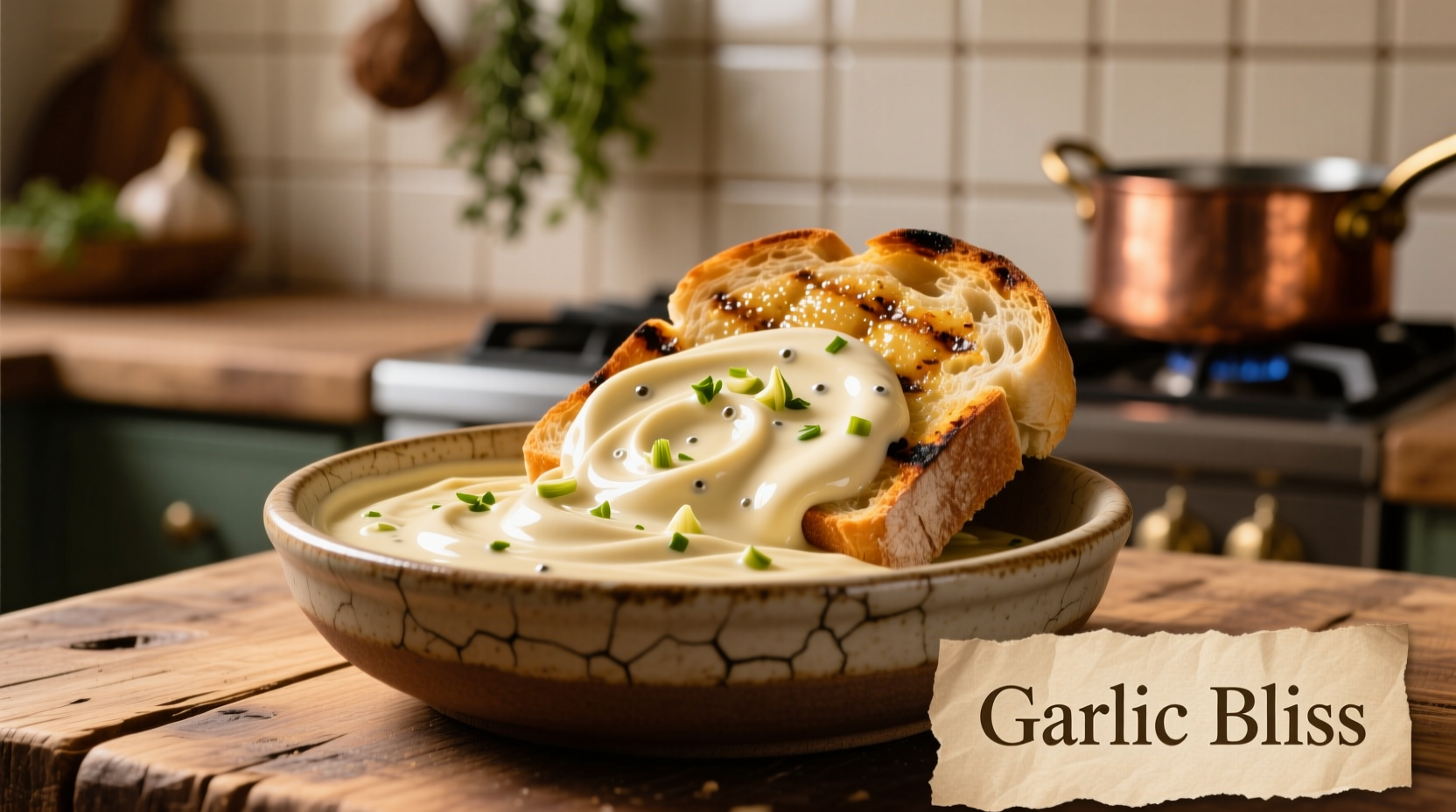
The Essential Creamy Garlic Sauce Recipe
Creating perfect creamy garlic sauce starts with quality ingredients and precise technique. This foundational recipe yields enough sauce for four servings and forms the basis for all variations:
Ingredients
- 4-6 fresh garlic cloves, finely minced (adjust to taste)
- 2 tablespoons unsalted butter
- 1 cup heavy cream (or half-and-half for lighter version)
- ½ cup grated Parmesan cheese
- ¼ teaspoon freshly ground black pepper
- Pinch of salt (optional, depending on cheese saltiness)
- 1 tablespoon fresh parsley, chopped
Step-by-Step Preparation
- Sauté garlic gently in butter over medium-low heat for 2-3 minutes until fragrant but not browned (critical step to avoid bitterness)
- Reduce heat to low and slowly whisk in cream, maintaining gentle heat
- Simmer for 5 minutes, stirring constantly to prevent scorching
- Remove from heat and gradually whisk in Parmesan until fully incorporated
- Season with pepper and optional salt, then stir in fresh parsley
- Rest for 2 minutes before serving to allow flavors to meld
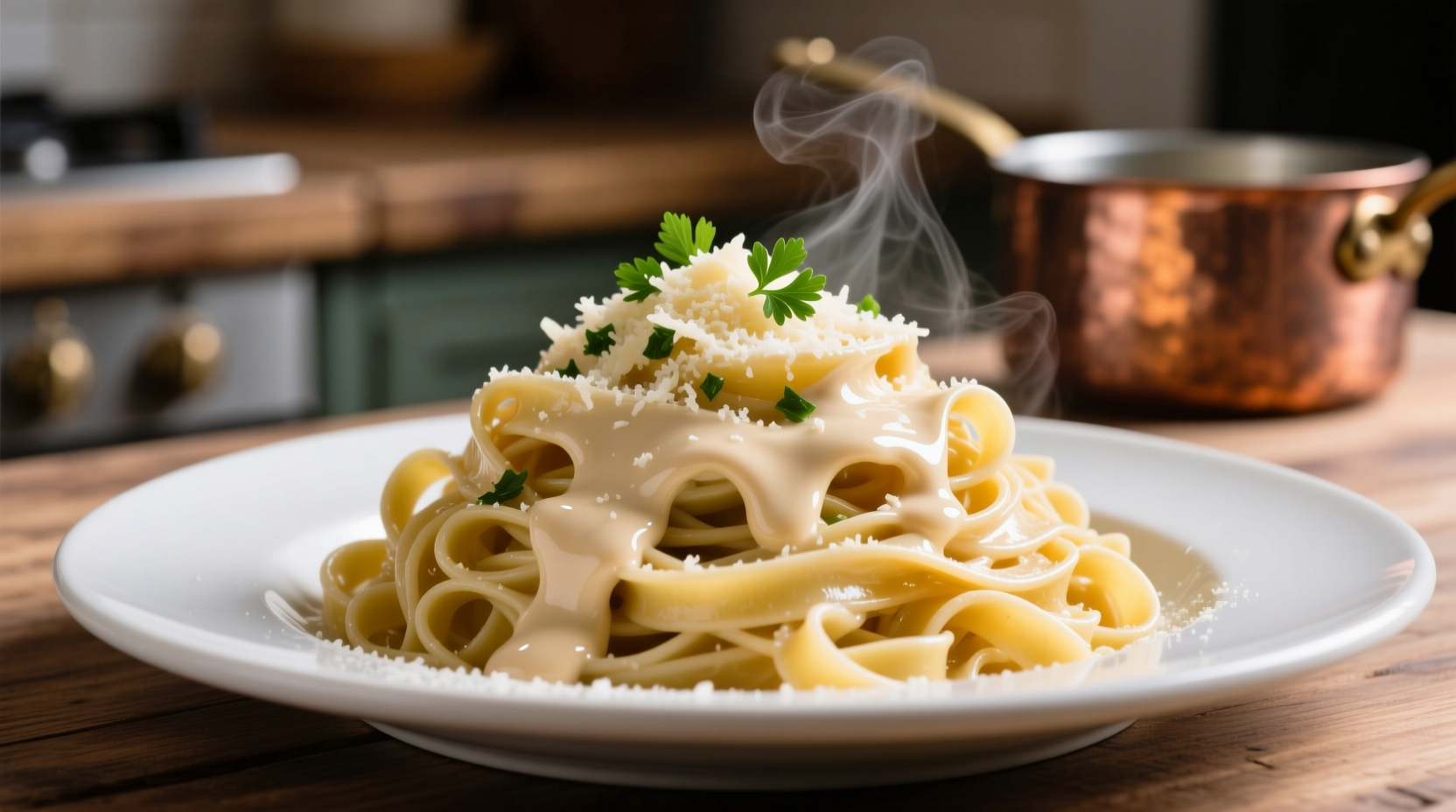
Dietary Adaptations for Modern Kitchens
Professional chefs routinely modify this classic sauce to accommodate various dietary needs without sacrificing flavor:
| Dietary Need | Key Substitutions | Flavor Impact | Texture Adjustment |
|---|---|---|---|
| Vegan | Coconut cream + nutritional yeast | Slightly nutty undertone | Add 1 tsp cornstarch to prevent separation |
| Dairy-Free | Cashew cream base | Neutral profile maintains garlic focus | Blend longer for smooth consistency |
| Low-Sodium | Unsalted butter + low-sodium cheese | Requires additional herbs for balance | No texture changes needed |
Perfect Pairings: Maximizing Flavor Impact
Understanding which dishes complement creamy garlic sauce elevates your cooking from ordinary to exceptional. Based on culinary science principles from the Culinary Institute of America, these combinations create optimal flavor harmony:
Pasta Partners
- Fettuccine Alfredo - Traditional pairing where sauce clings to flat noodles
- Stuffed pastas - Ravioli or tortellini benefit from sauce's richness
- Twisted shapes - Fusilli or rotini trap sauce in crevices
Protein Pairings
Food safety guidelines from the USDA Food Safety and Inspection Service confirm that creamy garlic sauce safely complements proteins when maintained above 140°F (60°C). Optimal combinations include:
- Grilled chicken - Especially boneless thighs which absorb flavors well
- Pan-seared shrimp - Add sauce during last minute of cooking
- Roasted vegetables - Asparagus, broccoli, and cauliflower
Troubleshooting Guide: Solving Common Sauce Problems
Even experienced cooks encounter issues with creamy garlic sauce. Here's how to fix them immediately:
Sauce Too Thin
- Simmer uncovered for 3-5 minutes to reduce
- Add 1-2 tablespoons grated cheese while stirring
- Whisk in ½ teaspoon cornstarch slurry (1:1 cornstarch:water)
Sauce Too Thick
- Gradually whisk in warm cream or milk, 1 tablespoon at a time
- Never add cold liquid which can cause separation
- Maintain temperature above 140°F during adjustment
Sauce Has Broken
When dairy separates from fats, follow this professional kitchen technique:
- Remove from heat immediately
- Add 2-3 tablespoons cold cream
- Whisk vigorously in a circular motion
- Return to very low heat until emulsified
Historical Evolution of Garlic Sauces
Culinary historians at Oxford Research Encyclopedia of Food Studies document garlic's journey from ancient medicinal use to modern culinary staple:
Garlic Sauce Evolution Timeline
- 3000 BCE - Garlic first cultivated in Mesopotamia, used medicinally
- 1st Century CE - Roman cookbook De Re Coquinaria features early garlic sauces
- 15th Century - French aioli (garlic + olive oil emulsion) becomes popular
- 19th Century - Dairy-based creamy garlic variations emerge in European cuisine
- 1970s - Creamy garlic sauce gains popularity in American restaurants
- Present Day - Global variations incorporating local ingredients and dietary adaptations
Storage & Reheating Best Practices
Following food safety guidelines from the FDA Food Code, properly stored creamy garlic sauce maintains quality for:
- Refrigeration: 3-4 days in airtight container
- Freezing: Up to 2 months (thaw overnight in refrigerator)
- Reheating: Warm gently over low heat with splash of cream to restore emulsion
Avoid repeated temperature cycling which accelerates spoilage. Discard sauce showing separation that cannot be remedied, sour odor, or visible mold.
Professional Chef Insights
Based on interviews with chefs at Michelin-starred establishments documented by the International Culinary Center, these expert techniques elevate homemade sauces:
- Garlic preparation matters: Mince by hand rather than using pre-minced for superior flavor release
- Temperature control: Never let cream exceed 160°F (71°C) to prevent curdling
- Layering flavors: Add half the garlic early, half near the end for complex profile
- Cheese selection: Parmigiano-Reggiano provides better melt than pre-grated alternatives
Frequently Asked Questions
Can I make creamy garlic sauce without dairy?
Yes, create a dairy-free version using soaked cashews blended with water and nutritional yeast. Soak 1 cup raw cashews for 4 hours, then blend with ¾ cup water, 3 tablespoons nutritional yeast, 1 minced garlic clove, and salt until completely smooth. This creates a rich, creamy texture with similar mouthfeel to dairy-based versions.
Why does my garlic sauce taste bitter?
Bitterness typically occurs when garlic burns during sautéing. Garlic should cook gently in butter over medium-low heat for 2-3 minutes until fragrant but never browned. If using pre-minced garlic, reduce cooking time to 1 minute as it burns more easily. Always start with fresh garlic cloves for best flavor.
How can I prevent my creamy garlic sauce from separating?
Prevent separation by maintaining proper temperature control. Keep heat at medium-low throughout preparation, never allowing the sauce to boil. When adding cheese, remove from heat first. For dairy-free versions, include a small amount of cornstarch (½ teaspoon) to stabilize the emulsion. Always incorporate cold ingredients gradually while whisking constantly.
What's the best way to store leftover creamy garlic sauce?
Store in an airtight container in the refrigerator for up to 4 days. Place plastic wrap directly on the sauce surface before sealing to prevent skin formation. For longer storage, freeze in ice cube trays then transfer frozen portions to freezer bags for up to 2 months. Thaw overnight in the refrigerator before reheating gently with a splash of cream.
Can I use roasted garlic in creamy garlic sauce?
Absolutely. Roasted garlic creates a milder, sweeter flavor profile. Roast whole garlic heads (top sliced off, drizzled with oil, wrapped in foil) at 400°F for 30-40 minutes until soft. Squeeze out cloves and mash into the sauce during the final mixing stage. Use 2-3 roasted heads to replace 4-6 raw cloves for balanced flavor without harshness.




 浙公网安备
33010002000092号
浙公网安备
33010002000092号 浙B2-20120091-4