
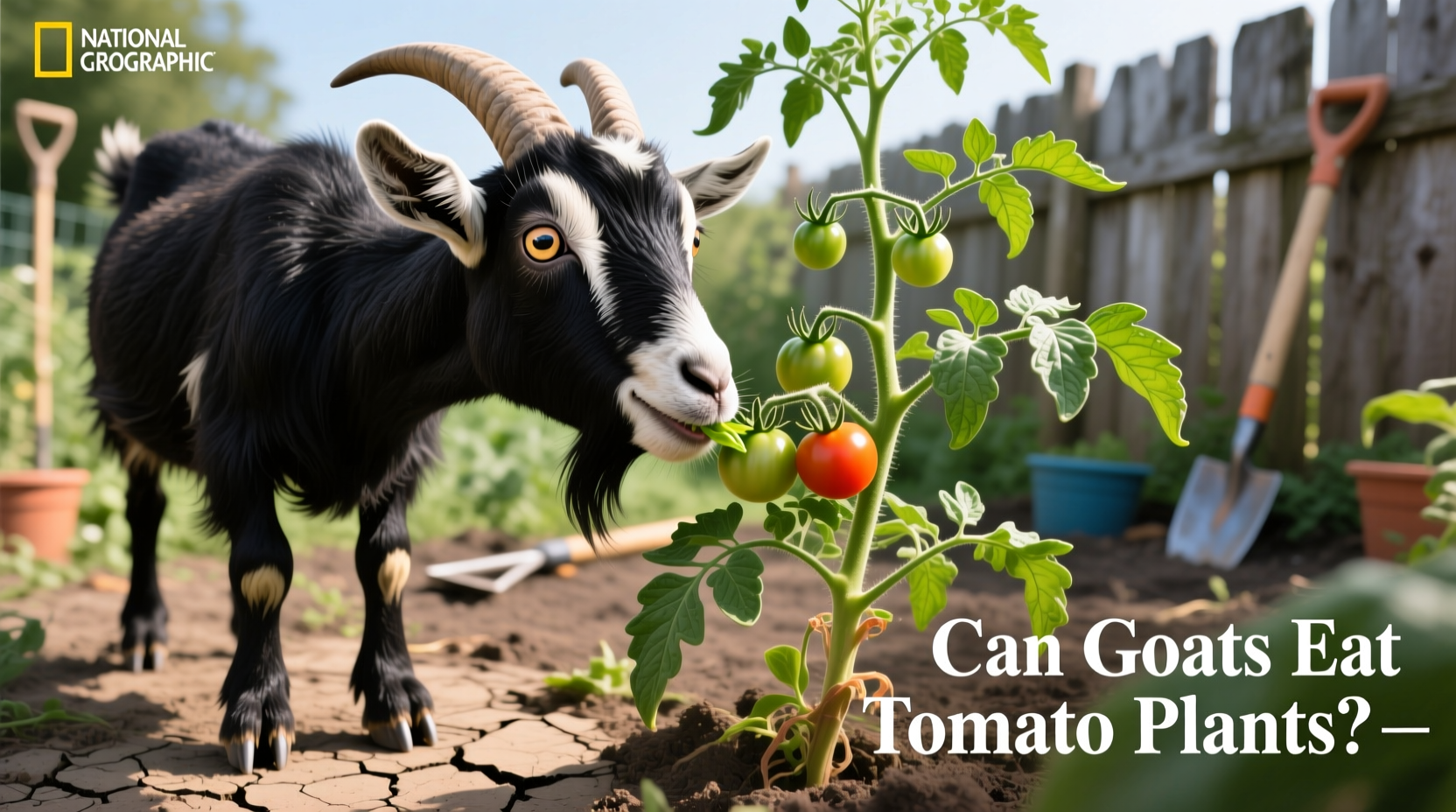
As a goat owner tending both your herd and garden, you've likely wondered can goats eat tomato plants safely. This critical question impacts both your livestock's wellbeing and your gardening strategy. Understanding the real risks helps you protect your animals while planning your homestead.
The Hidden Danger in Your Garden
Many backyard farmers assume that because goats eat almost anything, tomato plants must be safe. This dangerous misconception puts goats at risk daily. While ripe red tomatoes themselves pose minimal threat in moderation, the leaves, stems, and green tomatoes contain high concentrations of toxic glycoalkaloids—primarily tomatine and solanine.
| Tomato Plant Part | Tomatine Concentration (mg/100g) | Risk Level for Goats |
|---|---|---|
| Leaves & Stems | 500-1000 | Extremely High |
| Green Tomatoes | 300-500 | High |
| Ripe Red Tomatoes | 5-10 | Low (in moderation) |
This tomato plant toxicity in goats stems from compounds plants produce as natural pesticides. According to research from the USDA Animal and Plant Health Inspection Service, solanine and tomatine disrupt cell membranes and can cause severe gastrointestinal and neurological symptoms in ruminants.
Symptoms to Watch For
Recognizing early signs of poisoning could save your goat's life. Symptoms typically appear within 4-12 hours after ingestion:
- Excessive drooling and salivation
- Loss of appetite and depression
- Diarrhea (sometimes bloody)
- Weakness and stumbling
- Dilated pupils and rapid heartbeat
- In severe cases: tremors, seizures, or respiratory failure
The timeline of symptoms matters significantly. Mild cases might show only gastrointestinal upset that resolves in 24-48 hours with supportive care. However, neurological symptoms indicate serious poisoning requiring immediate veterinary intervention. The USDA Veterinary Services reports that mortality rates increase dramatically when neurological symptoms develop.
How Much Is Dangerous?
Understanding tomato plant toxicity in goats requires context about consumption levels:
- Minor exposure (a few leaves): Usually causes mild digestive upset that resolves without treatment
- Moderate exposure (several stems or green tomatoes): Requires veterinary monitoring for 24-48 hours
- Significant exposure (multiple plants or large quantities of foliage): Medical emergency requiring immediate treatment
Young kids and pregnant does face higher risks from the same exposure levels. The Oregon State University Extension Service notes that goats with pre-existing health conditions may experience more severe reactions to smaller amounts of toxic compounds.
Immediate Response Protocol
If you witness your goat eating tomato plants or notice symptoms of poisoning:
- Remove remaining plant material from the area immediately
- Contact your veterinarian with details about what was consumed and when
- Do not induce vomiting unless specifically instructed by a professional
- Monitor vital signs including heart rate, breathing, and temperature
- Provide clean water but no additional food until consulting your vet
Veterinarians typically administer activated charcoal to absorb toxins, provide intravenous fluids for hydration, and may use medications to control symptoms. Early intervention dramatically improves outcomes for goats that ate tomato plants.
Safe Garden Planning for Goat Owners
Preventing exposure is always better than treatment. Consider these practical strategies:
- Physical barriers: Install fencing at least 4 feet high around vegetable gardens
- Strategic planting: Place tomato plants on the opposite side of your property from goat enclosures
- Alternative browse: Provide safe, appealing plants like mulberry leaves or willow branches
- Regular inspection: Check fence lines daily for potential escape routes to gardens
When considering goat safe garden plants, focus on species that provide nutritional benefits without risks. Blackberry bushes, comfrey, and certain varieties of clover offer safe browsing options that goats enjoy.
Safe Treat Alternatives
Instead of risking tomato poisoning in goats, try these safe, nutritious alternatives:
- Ripe watermelon (including rind)
- Carrot tops and roots
- Apple slices (remove seeds)
- Pumpkin (excellent for deworming)
- Herbs like mint, oregano, and basil
Always introduce new foods gradually and in moderation. Remember that what to do if goat eats tomato plants starts with prevention—keeping toxic plants out of reach protects both your garden and your herd.
Common Questions About Goats and Tomato Plants
Many goat owners have follow-up questions after learning about these risks. Here are answers to the most frequent concerns:




 浙公网安备
33010002000092号
浙公网安备
33010002000092号 浙B2-20120091-4