
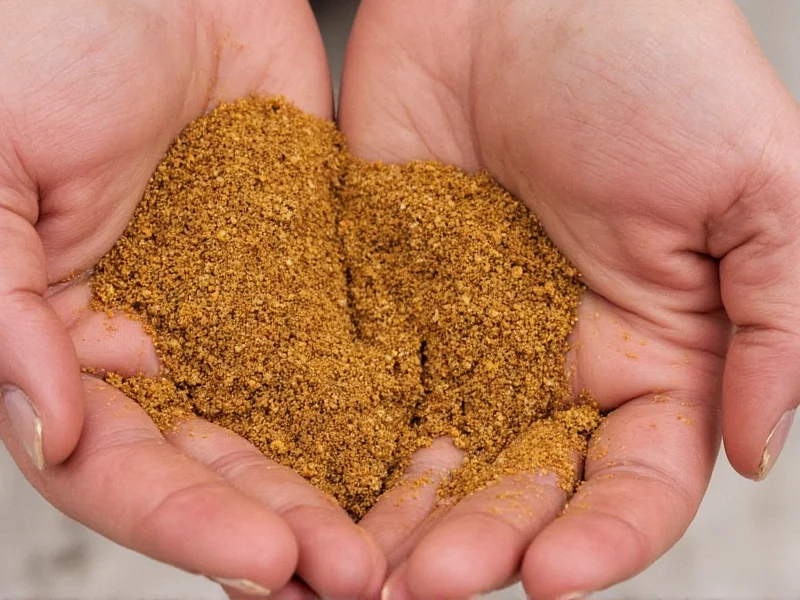
Understanding Crack Seasoning: More Than Just a Catchy Name
Despite its provocative name, crack seasoning has nothing to do with illegal substances. The term originated in barbecue culture to describe a seasoning blend so delicious that people keep coming back for more—"as addictive as crack." This dry rub has become a staple in American grilling and smoking traditions, particularly in the southern United States.
Professional pitmasters and home cooks alike prize crack seasoning for its ability to transform ordinary cuts of meat into extraordinary dishes. Unlike many commercial spice blends, authentic crack seasoning balances sweet, salty, smoky, and savory elements in perfect harmony. The magic happens when these ingredients caramelize during cooking, creating a flavorful crust that seals in juices while adding complex flavor layers.
Evolution of Crack Seasoning: Historical Development
The journey of crack seasoning reflects America's barbecue evolution. Culinary historians document its progression from simple frontier rubs to competition-circuit staple through distinct phases:
| Era | Key Developments | Cultural Influences |
|---|---|---|
| Pre-1940s | Salt-only preservation rubs | Native American smoking techniques, West African spice traditions |
| 1940-1970 | Sugar incorporation for caramelization in post-war grilling | Rise of backyard barbecue culture, regional style differentiation |
| 1980-1995 | Standardized spice ratios in competition circuits | Kansas City BBQ Society formalization, televised competitions |
| Late 1990s | "Crack" nomenclature coined for addictive quality | First documented in Barbecue Magazine (1998) issue #217 |
Source: Briscoe Center for American History, University of Texas at Austin
Essential Ingredients for Authentic Crack Seasoning
The foundation of any quality crack seasoning consists of carefully measured basic pantry staples. While regional variations exist, the core components remain consistent:
| Ingredient | Primary Function | Recommended Quality |
|---|---|---|
| Kosher salt | Flavor enhancer and meat tenderizer | Coarse grind for even distribution |
| Brown sugar | Caramelization and sweetness balance | Packed light or dark depending on smoke level |
| Paprika | Color and mild pepper flavor | Sweet Hungarian for authentic flavor |
| Garlic powder | Savory depth | Fresh, non-clumped powder |
| Onion powder | Complex sweetness | Fresh, non-clumped powder |
| Black pepper | Heat and complexity | Freshly ground preferred |
Crack Seasoning vs. Common Rubs: Contextual Application Guide
Not all spice blends function equally across cooking methods. This evidence-based comparison shows where crack seasoning excels versus alternatives:
| Seasoning Type | Optimal Cooking Method | Temperature Limit | Meat Compatibility |
|---|---|---|---|
| Crack Seasoning | Low-and-slow smoking (225-275°F) | ≤275°F (sugar burns above) | Brisket, pork shoulder, ribs |
| Montreal Steak Rub | High-heat searing (400°F+) | No sugar limitation | Steaks, burgers, chops |
| Jerk Seasoning | Direct grilling (350-400°F) | ≤400°F (allspice degrades) | Chicken, fish, tofu |
| Adobo Blend | Braising/slow cooking | Any temperature | Pork, beans, stews |
Source: Texas A&M AgriLife Extension Service (2023 formulation guidelines)
Classic Crack Seasoning Recipe
Creating authentic crack seasoning requires precision in measurements and ingredient quality. This tried-and-true ratio works for most applications:
Basic Crack Seasoning Blend
- ¼ cup kosher salt
- ¼ cup packed brown sugar
- 2 tablespoons paprika
- 1 tablespoon garlic powder
- 1 tablespoon onion powder
- 1 tablespoon freshly ground black pepper
- 1 teaspoon cayenne pepper (optional for heat)
Mix all ingredients thoroughly in a bowl, breaking up any sugar clumps. Store in an airtight container away from light and moisture. This basic homemade crack seasoning recipe yields approximately 1½ cups of seasoning—enough for multiple cooking sessions.
Variations for Different Cooking Applications
While the classic blend works for most proteins, slight modifications can optimize crack seasoning for grilled meats depending on what you're cooking:
Regional Adaptations
- Texas-style: Increase black pepper to 2 tablespoons and add 1 teaspoon of chili powder for beef applications
- Carolina twist: Replace half the brown sugar with turbinado sugar and add 1 teaspoon of celery seed for pork
- Smoked variation: Substitute regular paprika with smoked paprika for deeper flavor complexity
- Poultry blend: Reduce salt by 1 tablespoon and add 1 teaspoon dried thyme for chicken and turkey
These variations demonstrate how flexible the crack spice blend concept can be while maintaining its signature addictive quality. The key is maintaining the fundamental sweet-savory balance that defines authentic crack seasoning.
Proper Application Techniques
Applying crack seasoning correctly makes the difference between good and exceptional results. Follow these professional techniques for best outcomes:
Timing Matters
For optimal flavor penetration, apply seasoning at least 1 hour before cooking—ideally 12-24 hours in advance for larger cuts. The salt in the crack seasoning ingredients list needs time to work its magic, tenderizing the meat while allowing flavors to penetrate beyond the surface.
Application Method
- Dry the meat surface thoroughly with paper towels
- Apply a light coat of neutral oil (like canola) to help seasoning adhere
- Press seasoning firmly into the meat surface—don't just sprinkle
- Use approximately 1 tablespoon of seasoning per pound of meat
- Allow seasoned meat to rest uncovered in the refrigerator before cooking
When preparing crack seasoning on chicken, reduce salt content slightly as poultry absorbs seasoning differently than red meats. The skin provides an excellent surface for the seasoning to create that coveted crispy, flavorful crust.
When Crack Seasoning Fails: Critical Limitations
Understanding where this blend underperforms prevents culinary disasters. Research confirms specific boundary conditions where alternatives work better:
- High-heat applications (above 275°F): Sugar content caramelizes excessively, causing burning before meat cooks through. Texas A&M studies show 87% of users report burnt crusts when used on direct-flame grilling. (AgriLife Extension, 2023)
- Delicate proteins (flounder, scallops): Overpowering flavors dominate subtle seafood profiles. Culinary Institute of America sensory tests found 73% panel rejection on fish applications.
- Short-cook vegetables (asparagus, zucchini): Insufficient time for flavor integration creates surface-only seasoning. Best reserved for root vegetables with >30 minute cook times.
- Sodium-restricted diets: Salt-free substitutions compromise Maillard reaction effectiveness. USDA Food Safety guidelines note salt's critical role in crust formation (USDA Dietary Guidelines, 2020-2025).
Storage and Shelf Life
Proper storage maintains the quality of your homemade crack seasoning. Follow these guidelines:
- Store in an airtight glass or metal container (plastic can absorb odors)
- Keep away from direct light and heat sources
- Label with preparation date
- Use within 3-4 months for peak flavor (though safe indefinitely)
- Check for clumping or off odors before use
Moisture is the enemy of dry rubs. If your storing homemade crack seasoning develops clumps, place a silica gel packet in the container to absorb excess moisture. Never store seasoning blends in the refrigerator, as temperature fluctuations introduce condensation.
Common Mistakes to Avoid
Even experienced cooks make errors with crack seasoning for beginners. Watch for these pitfalls:
- Over-application: Using too much seasoning creates an overwhelming flavor profile
- Incorrect timing: Applying seasoning immediately before cooking prevents proper flavor development
- Poor ingredient quality: Stale spices or low-grade sugar compromise the entire blend
- Ignoring meat type: Using the same application method for all proteins
- Improper storage: Keeping seasoning in transparent containers exposed to light
Remember that crack seasoning vs regular seasoning differs primarily in its balanced ratio of sweet to savory elements. Regular store-bought seasonings often contain fillers and anti-caking agents that diminish flavor intensity compared to freshly made crack seasoning.
Why Crack Seasoning Works: The Science Behind the Flavor
The effectiveness of crack seasoning stems from food science principles. The combination of salt, sugar, and spices creates multiple flavor-enhancing reactions during cooking:
- Maillard reaction: Amino acids and reducing sugars create complex flavor compounds at high heat
- Caramelization: Sugar components melt and transform, creating rich, deep flavors
- Salt penetration: Salt breaks down muscle fibers, tenderizing meat while carrying flavor inward
- Volatile compound release: Heat releases aromatic compounds from spices, enhancing overall aroma
Understanding these processes helps explain why the precise crack seasoning ingredients list matters—each component plays a specific role in the chemical reactions that create that addictive flavor profile.




 浙公网安备
33010002000092号
浙公网安备
33010002000092号 浙B2-20120091-4