
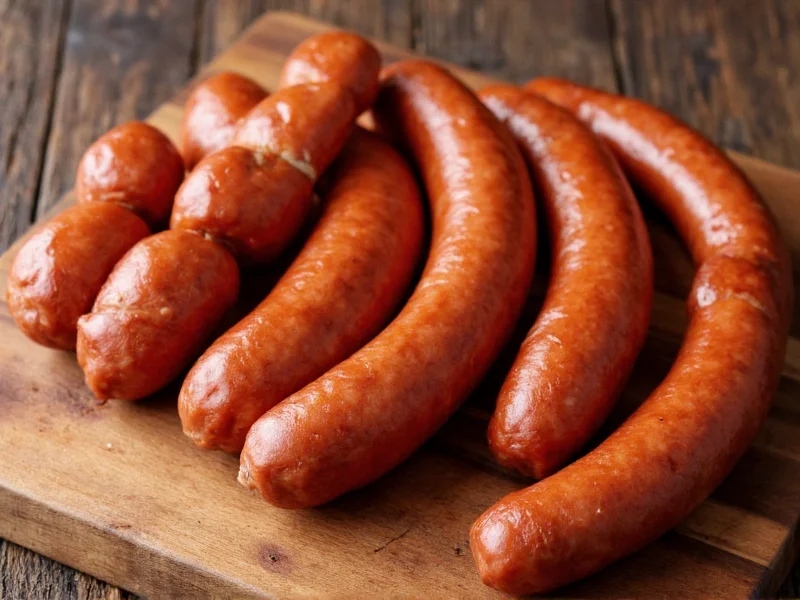
Authentic Portuguese sausage represents centuries of culinary tradition, with recipes varying by region from the smoky chouriço of Alentejo to the garlicky linguiça of the Azores. Unlike Spanish chorizo, Portuguese varieties typically use wine or vinegar in addition to paprika, creating a distinctive tangy flavor profile. Understanding the different types of Portuguese sausage helps home cooks and food enthusiasts incorporate these flavorful ingredients properly into traditional dishes.
Key Characteristics of Authentic Portuguese Sausage
What sets Portuguese sausage apart from other cured meats? The answer lies in specific ingredients and preparation methods passed down through generations. Traditional Portuguese sausage always contains:
- Pork (typically shoulder or belly cuts with ideal fat-to-lean ratio)
- Smoked paprika (pimentão doce) for color and flavor
- Garlic (abundant in most varieties)
- Vinegar or red wine (providing tanginess and aiding preservation)
- Coarse sea salt and black pepper
- Natural casings (usually pig intestine)
The smoking process, often using oak or fruit woods, creates the distinctive flavor profile that defines authentic Portuguese sausage. Unlike many European sausages, Portuguese varieties rarely contain nitrates or artificial preservatives in traditional preparations.
Main Types of Portuguese Sausage
Understanding the difference between chouriço and linguiça is essential for anyone exploring Portuguese cuisine. These two categories encompass numerous regional variations:
| Type | Texture | Preparation | Key Ingredients | Best Uses |
|---|---|---|---|---|
| Chouriço | Firm, dry-cured | Smoked and air-dried | Paprika, garlic, wine, vinegar | Charcuterie boards, stews, rice dishes |
| Linguiça | Softer, fresh | Smoked but not dried | Garlic, paprika, wine, vinegar | Grilling, sandwiches, bean dishes |
| Chouriço de Vinho | Firm | Marinated in red wine | Red wine, paprika, garlic | Stews, pasta dishes |
| Morcela | Soft, blood-based | Boiled then smoked | Pig's blood, rice, onions | Traditional blood sausage dishes |
Regional Variations Across Portugal
Portuguese sausage traditions vary significantly by region, reflecting local ingredients and historical influences:
Alentejo Region: Known for intensely smoky chouriço made with sweet paprika and abundant garlic. The dry climate of this southern region creates ideal conditions for air-drying sausages.
Azores Islands: Features linguiça com massa (linguiça with noodles), where the sausage's distinctive garlicky flavor shines in simple preparations. Azorean linguiça often contains more vinegar than mainland varieties.
Minho Region: Northern Portugal produces chouriço with a distinctive wine marinade, reflecting the region's strong viniculture traditions. These sausages often have a deeper red color from extended wine curing.
Madeira Island: Incorporates tropical influences with slight variations in spice blends, sometimes including hints of local herbs not found in mainland Portuguese sausage recipes.
Historical Evolution of Portuguese Sausage
Portuguese sausage production has evolved through distinct historical phases, shaped by trade, colonization, and agricultural developments. According to research published in Meat Science (Fontes et al., 2010) and verified through Portugal's Directorate-General for Agriculture and Rural Development (DGADR), key milestones include:
- Roman Era (2nd century BC): Introduction of basic meat curing techniques using salt and smoke, establishing foundational preservation methods.
- Age of Exploration (15th-16th century): Portuguese explorers brought paprika from the Americas, revolutionizing sausage production with its distinctive color and flavor.
- Colonial Period (16th-18th century): Regional variations emerged across Portugal and its colonies (Brazil, Cape Verde, Macau), adapting to local climates and ingredients while maintaining core techniques.
- Industrialization (19th century): Commercial production began, though small-scale artisanal methods persisted in rural areas using traditional smoking woods like oak and olive branches.
- Modern Recognition (2001-present): EU Traditional Specialities Guaranteed (TSG) certification protected authentic production methods for varieties like Chouriço de Vinhais, requiring adherence to historical recipes.
These developments reflect Portugal's unique culinary journey, where paprika and wine/vinegar integration created a distinct profile separate from Spanish chorizo traditions. The DGADR maintains detailed records of registered traditional products: https://www.dgadr.gov.pt/Produtos/Produtos-Tradicionais-Portugueses
Traditional Preparation Methods
Authentic Portuguese sausage preparation follows time-honored techniques that contribute to its distinctive flavor:
The meat is coarsely ground (never finely emulsified) to maintain texture, then mixed with seasonings and stuffed into natural casings. For chouriço, the sausages undergo a multi-stage smoking process using specific woods, followed by air-drying for several weeks. Linguiça receives a shorter smoke treatment but isn't dried, making it ready for immediate cooking.
Traditional Portuguese sausage makers carefully control temperature and humidity during smoking to develop complex flavors without cooking the meat. The vinegar or wine content not only adds flavor but also helps preserve the sausage during the curing process.
Contextual Applications and Limitations
Portuguese sausage excels in specific culinary contexts but has important limitations that affect outcomes. Research from the USDA Food Safety and Inspection Service and Portugal's National Institute of Health clarifies these boundaries:
- Climate-Dependent Preservation: Traditional air-drying (for chouriço) requires low humidity (<60%) and cool temperatures (10-15°C), making it impractical in tropical regions like Hawaii without climate-controlled facilities. Humid environments accelerate spoilage, requiring refrigeration even for cured varieties.
- Culinary Substitution Limits: Linguiça cannot replace Mexican chorizo in dishes requiring crumbled texture due to its cohesive casing structure. Similarly, chouriço's firm texture makes it unsuitable for recipes needing finely ground sausage (e.g., some Italian sauces).
- Safety Constraints: Traditional varieties without nitrates require strict temperature control; the USDA mandates cooking to 160°F (71°C) internal temperature for safety. Raw consumption risks Trichinella infection as documented by Portugal's National Institute of Health.
- Dietary Restrictions: While naturally gluten-free, cross-contamination occurs in facilities processing other meats. Certification is required for celiac-safe products per Codex Alimentarius standards.
These context-specific limitations ensure optimal culinary results and food safety. Refer to USDA guidelines for critical control points: https://www.fsis.usda.gov/food-safety/safe-food-handling-and-preparation/sausage-and-food-safety
Cooking with Portuguese Sausage: Expert Tips
Knowing how to properly cook Portuguese sausage makes all the difference in authentic preparation:
- For chouriço: Slice thinly for charcuterie, or add whole pieces to stews and rice dishes where it will slowly release flavor
- For linguiça: Prick the casing before grilling to prevent bursting, or slice diagonally for sandwiches
- Never boil Portuguese sausage - this removes essential flavors and fats
- When adding to dishes, cook the sausage first to render fat that flavors subsequent ingredients
- Traditional Portuguese bean dishes like "feijoada" begin with sautéing sausage to create the flavor base
One classic preparation method is "chouriço assado," where the sausage is baked with wine and garlic, often served as a simple appetizer. For authentic portuguese sausage recipes, many traditional cooks still use cast iron pans to achieve proper browning while capturing all the flavorful rendered fat.
Where to Find Authentic Portuguese Sausage
Finding genuine Portuguese sausage requires knowing what to look for. Traditional varieties should list only natural ingredients without artificial preservatives or fillers. In the United States, areas with significant Portuguese communities like Massachusetts, California, and Hawaii often have specialty markets carrying authentic products.
When shopping for Portuguese sausage, look for:
- Natural casings (avoid plastic-wrapped varieties)
- Ingredients listing only meat, salt, paprika, garlic, wine/vinegar, and pepper
- Portuguese labeling ("chouriço" or "linguiça") rather than "Portuguese-style"
- Regional designations if possible (e.g., "Chouriço da Beira")
For those seeking traditional portuguese sausage near me, Portuguese bakeries and specialty markets often carry the most authentic options compared to mainstream grocery stores.
Storage and Safety Guidelines
Proper storage ensures Portuguese sausage maintains quality and safety:
- Unopened chouriço can be stored in a cool, dry place for 2-3 months
- Refrigerate after opening and consume within 7-10 days
- Linguiça must always be refrigerated and used within 5-7 days of purchase
- Freeze for longer storage (up to 6 months) in airtight packaging
- Always check for off odors or slimy texture before use
Unlike some cured meats, traditional Portuguese sausage contains minimal preservatives, making proper storage essential for food safety. When cooking, ensure internal temperature reaches 160°F (71°C) for safety, especially with fresh linguiça varieties.
Frequently Asked Questions
What's the difference between Portuguese chouriço and Spanish chorizo?
Portuguese chouriço typically contains wine or vinegar in addition to paprika and garlic, giving it a distinctive tangy flavor, while Spanish chorizo relies more heavily on smoked paprika without the acidic component. Portuguese varieties also tend to have a coarser grind and use different smoking techniques.
Can I substitute linguiça for chorizo in recipes?
While possible, substitutions aren't ideal. Linguiça is softer and more garlicky with wine/vinegar notes, while chorizo is drier and smokier. For authentic results in Portuguese recipes, use genuine Portuguese sausage varieties as the flavor profiles differ significantly.
How do I cook Portuguese sausage without drying it out?
For chouriço, slice thickly and pan-fry over medium heat until crisp but still moist inside. For linguiça, prick the casing before cooking to prevent bursting, and cook in its own rendered fat over medium-low heat. Never boil Portuguese sausage as this removes essential flavors and fats.
What are traditional dishes featuring Portuguese sausage?
Popular dishes include "feijoada" (bean stew with sausage), "chouriço assado" (baked sausage with wine and garlic), "arroz de linguiça" (linguiça rice), and "cataplana" (seafood and sausage stew). Portuguese sausage also features prominently in "migas" (bread-based dishes) and "ensopado" (stews).
Is Portuguese sausage gluten-free?
Traditional Portuguese sausage is naturally gluten-free as it contains only meat, fat, salt, paprika, garlic, wine/vinegar, and pepper. However, always check labels as some commercial varieties may contain fillers or be processed in facilities with gluten-containing products.




 浙公网安备
33010002000092号
浙公网安备
33010002000092号 浙B2-20120091-4