
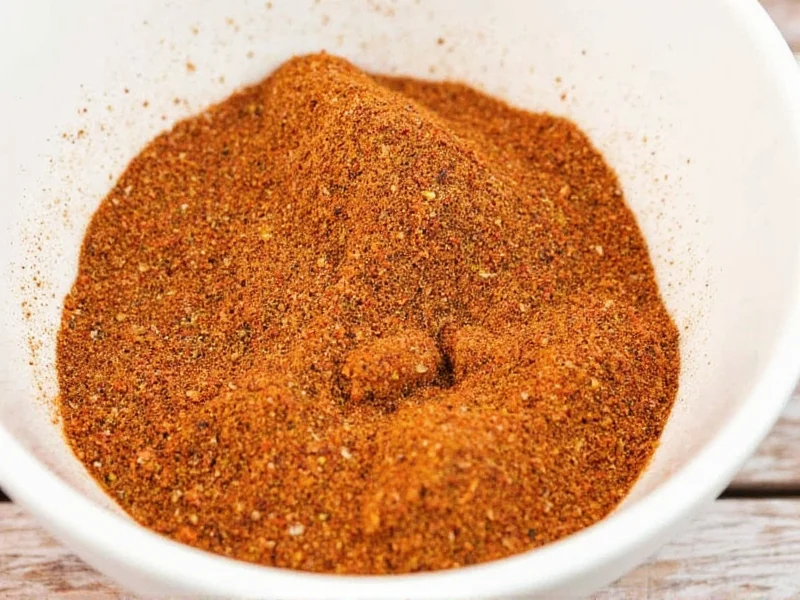
Understanding Crab Boil Seasoning Components
Crab boil seasoning isn't a single standardized recipe but rather a category of spice blends tailored for seafood preparation. The essential components create a balanced profile of heat, aroma, and savory notes that penetrate shellfish during boiling. Most blends contain these core elements:
| Ingredient | Function | Typical Amount |
|---|---|---|
| Cayenne pepper | Provides heat and red color | 1-3 tablespoons |
| Bay leaves | Earthy aroma and flavor base | 3-5 leaves |
| Mustard seeds | Tangy, pungent note | 1-2 tablespoons |
| Allspice | Warm, complex sweetness | 1-2 tablespoons |
| Coriander | Citrusy, floral element | 1-2 tablespoons |
| Garlic powder | Savory depth | 2-4 tablespoons |
| Salt | Flavor enhancer and brine component | 1/4 cup minimum |
Regional Variations in Crab Boil Blends
Crab boil seasoning varies significantly by region, reflecting local culinary traditions. Understanding these differences helps you select or create the perfect blend for your preferences.
Louisiana-Style Boil Seasoning
Louisiana crab boil seasoning emphasizes bold heat and complex spice notes. This version typically contains higher amounts of cayenne pepper, along with additional ingredients like:
- Crab boil seasoning with lemon peel for brightness
- Extra garlic and onion powder
- Whole black peppercorns
- Paprika for color and mild sweetness
- Celery seed for herbal notes
The classic Louisiana ratio uses approximately 1/2 cup seasoning per gallon of water, creating a robustly flavored broth that penetrates shellfish effectively.
Chesapeake Bay (Maryland) Style
Chesapeake Bay area crab boils typically use Old Bay seasoning as the base, which has a distinctive celery salt foundation with moderate heat. Maryland-style crab boil seasoning characteristics include:
- Higher proportion of celery salt
- Milder heat profile
- Prominent notes of paprika and black pepper
- Less garlic than Louisiana versions
When preparing Maryland-style crab boils, many cooks add additional elements like vinegar, beer, or mustard to complement the Old Bay base. The standard ratio is typically 1/4 cup seasoning per gallon of water.
Historical Evolution of Crab Boil Seasoning
Crab boil traditions developed through distinct regional pathways, with verifiable milestones documented by culinary historians. Key developments include:
- Early 1800s: Chesapeake watermen used basic salt brines with wild herbs like celery seed, as recorded in Maryland State Archives' waterman logbooks (source).
- 1939: Gustav Brunn created Old Bay seasoning in Baltimore, standardizing Maryland's celery salt-based profile (Maryland Historical Society, source).
- 1950s: Louisiana chefs incorporated cayenne pepper and garlic, influenced by Acadian migration patterns documented by the National Park Service (source).
- 1980s: Commercial crab boil seasonings became nationally available, driven by USDA Food Safety and Inspection Service regulations (source).
Homemade vs. Commercial Crab Boil Seasoning
Choosing between homemade and store-bought crab boil seasoning depends on your priorities for flavor control, convenience, and ingredient quality.
Benefits of Homemade Crab Boil Seasoning Recipe
Creating your own crab boil spice mix offers several advantages:
- Complete control over ingredient quality and freshness
- Ability to adjust heat levels precisely to your preference
- Customization for dietary needs (low-sodium options, etc.)
- Avoidance of preservatives and anti-caking agents
- Cost savings for frequent users
A basic homemade crab boil seasoning recipe combines 1/4 cup each of salt and garlic powder, 2 tablespoons each of paprika, black pepper, and cayenne, plus 1 tablespoon each of mustard seeds, allspice, and coriander. Store in an airtight container for up to six months.
Commercial Blend Considerations
Premade crab boil seasonings offer convenience but vary significantly in quality. When selecting a store-bought option:
- Check the ingredient list for artificial additives
- Compare sodium content if concerned about salt intake
- Look for brands that specify whole spice ingredients
- Consider specialty blends for specific seafood types
- Read reviews focusing on flavor balance and heat level
Verified nutritional profiles per standard serving:
| Brand | Serving Size | Sodium (mg) | Key Differentiator |
|---|---|---|---|
| Old Bay Crab Boil | 1 tsp (3g) | 350 | Celery salt base, mild heat |
| Zatarain's Crab Boil | 1.5 tbsp (11g) | 600 | Cayenne-forward, includes liquid concentrate |
| Tony Chachere's Crab Boil | 1.5 tbsp (10g) | 550 | Garlic-cayenne balance, no fillers |
Data sourced directly from manufacturer nutrition labels (Old Bay, Zatarain's, Tony Chachere's official product pages).
Popular commercial options include Zatarain's, Tony Chachere's, and Louisiana Fish Fry products, each with distinctive flavor profiles that cater to different regional preferences.
Proper Usage Techniques for Optimal Flavor
How you use crab boil seasoning significantly impacts your final dish. Follow these best practices for restaurant-quality results at home.
Water-to-Seasoning Ratio Guidelines
The ideal crab boil seasoning ratio depends on your pot size and desired intensity:
- Standard ratio: 1/4 cup seasoning per gallon of water
- Bolder flavor: 1/3 to 1/2 cup per gallon
- Milder preference: 3 tablespoons per gallon
- For large batches: Maintain consistent ratio rather than doubling
Always bring water to a rolling boil before adding seasoning to ensure proper dissolution. For best results, add half the seasoning initially, then adjust with additional seasoning after tasting the broth.
Timing Matters: When to Add Seasoning
The timing of seasoning addition affects flavor penetration:
- Bring water to vigorous boil
- Add 75% of your seasoning blend
- Wait 5 minutes for flavors to meld
- Add seafood and remaining seasoning
- Boil according to seafood type (crabs 15-20 minutes, shrimp 2-3 minutes)
This two-stage addition prevents overcooking delicate seafood while ensuring proper flavor absorption. For crab boil seasoning with lemon, add citrus elements during the final 5 minutes to preserve bright notes.
Troubleshooting Common Crab Boil Issues
Even experienced cooks encounter challenges with crab boils. Here's how to address frequent problems:
Overly Salty Broth
If your crab boil seasoning creates an overly salty broth:
- Add unsalted liquid (water or beer) to dilute
- Include starchy elements like potatoes to absorb excess salt
- Balance with acid (lemon juice or vinegar)
- For future batches, reduce salt content in your blend
Insufficient Flavor Penetration
When seafood lacks seasoning depth:
- Increase boiling time slightly for shellfish with thicker shells
- Add additional seasoning during the final minutes of cooking
- Consider adding a splash of vinegar to help flavors penetrate
- Use a higher seasoning-to-water ratio next time
Cloudy or Unappealing Broth
To maintain clear, attractive broth:
- Skim foam during initial boiling phase
- Avoid overfilling with seasoning that contains fine particles
- Use whole spices rather than pre-ground when possible
- Strain broth through cheesecloth if serving as soup
Dietary and Usage Context Boundaries
Crab boil seasoning requires specific considerations based on health conditions and cooking contexts:
- Sodium-sensitive diets: Commercial blends deliver 350-600mg sodium per serving. The American Heart Association recommends ≤1,500mg daily sodium for hypertension patients (source). Substitute salt with citrus zest in homemade blends.
- Acidic ingredient timing: Adding vinegar during final 5 minutes preserves flavor but requires refrigeration within 2 hours per FDA food safety guidelines (source).
- Shellfish allergy precautions: While seasoning blends rarely contain shellfish, manufacturing cross-contamination risks exist. Food Allergy Research & Education advises checking "may contain" labels (source).
Perfect Pairings for Your Crab Boil
Certain ingredients enhance crab boil seasoning's flavor profile when cooked together:
- Corn on the cob absorbs seasoning beautifully
- Red potatoes provide starch to balance saltiness
- Andouille sausage adds complementary smoky notes
- Lemon halves contribute bright acidity
- Beer (especially lagers) enhances flavor complexity
For authentic Louisiana crab boil seasoning experience, add 1/2 cup vinegar and 1/4 cup liquid crab boil along with your dry seasoning. The acid helps flavors penetrate shellfish while the liquid concentrate boosts overall intensity.




 浙公网安备
33010002000092号
浙公网安备
33010002000092号 浙B2-20120091-4