
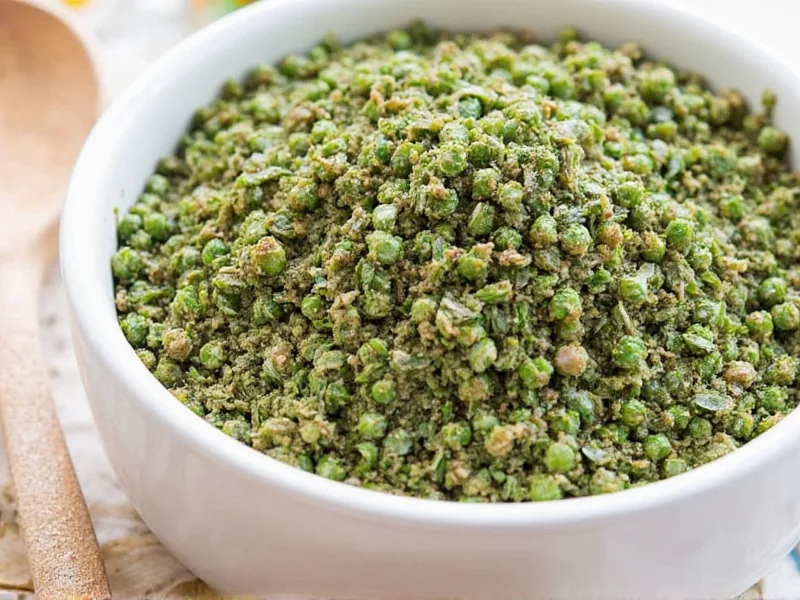
Running out of oregano while cooking doesn't have to ruin your Italian or Mediterranean dish. This comprehensive guide explores the most effective oregano substitutes based on flavor chemistry, culinary applications, and substitution ratios verified by professional chefs. Whether you're making pizza sauce, grilled vegetables, or Greek salad dressing, understanding herb substitution principles ensures your recipe succeeds even without this essential Mediterranean herb.
Why Oregano Substitution Matters in Cooking
Oregano's distinctive earthy, slightly bitter flavor with peppery notes makes it indispensable in many global cuisines. Its unique chemical composition—particularly high levels of carvacrol and thymol—creates that characteristic Mediterranean taste. When unavailable, choosing the wrong substitute can dramatically alter your dish's flavor profile. The ideal replacement depends on whether you're using dried or fresh oregano, the specific recipe, and your flavor preferences.
Top 5 Oregano Substitutes Ranked by Flavor Match
1. Marjoram (Closest Flavor Match)
Marjoram shares oregano's botanical family (Lamiaceae) but offers a sweeter, more delicate flavor with citrus undertones. Professional chefs consider it the premier oregano substitute, especially in tomato-based dishes and grilled meats. Use marjoram when you want to maintain Mediterranean authenticity without oregano's pronounced bitterness.
Substitution ratio: 1½:1 (1½ teaspoons dried marjoram per 1 teaspoon dried oregano). For fresh herbs, use equal parts (1 tablespoon fresh marjoram per 1 tablespoon fresh oregano).
2. Italian Seasoning Blend
Most commercial Italian seasoning blends contain 25-40% oregano along with basil, rosemary, and thyme. This makes it an excellent emergency substitute when you need that characteristic Italian flavor profile. Check the ingredient list as quality varies between brands.
Substitution ratio: 1:1 (use equal amounts). For dishes requiring pronounced oregano flavor, increase by 25%.
3. Thyme
Thyme provides earthy, slightly floral notes that work well in place of oregano for roasted vegetables and meat dishes. Its more subtle flavor means you'll need to adjust quantities, and it lacks oregano's peppery kick. Best for heartier dishes where a milder herb profile is acceptable.
Substitution ratio: 1¼:1 (1¼ teaspoons dried thyme per 1 teaspoon dried oregano).
4. Basil
Fresh basil makes a surprisingly effective oregano substitute in tomato-based dishes, offering complementary sweet notes. However, its distinct anise-like flavor means it works best in summer dishes or fresh preparations rather than cooked sauces. Avoid using dried basil as a substitute—it develops an unpleasant bitterness when cooked.
Substitution ratio: 1:1 for fresh applications only. Not recommended for dried oregano substitution in cooked dishes.
5. Rosemary (Use with Caution)
Rosemary's strong pine-like flavor makes it a risky substitute, but it works in specific applications like grilled lamb or hearty bean stews. Its potency requires careful measurement to avoid overwhelming your dish. Many home cooks mistakenly use too much rosemary when substituting for oregano.
Substitution ratio: ¼:1 (¼ teaspoon dried rosemary per 1 teaspoon dried oregano). Always crush between fingers before adding.
| Substitute | Best For | Dried Ratio | Fresh Ratio | Flavor Difference |
|---|---|---|---|---|
| Marjoram | Tomato sauces, grilled meats, dressings | 1½:1 | 1:1 | Sweeter, less peppery |
| Italian Seasoning | Pizza, pasta, general Italian cooking | 1:1 (+25% if needed) | N/A | More complex herbal notes |
| Thyme | Roasted vegetables, stews, meats | 1¼:1 | 1:1 | Milder, floral notes |
| Fresh Basil | Fresh tomato dishes, summer recipes | Not recommended | 1:1 | Sweeter, anise-like flavor |
| Rosemary | Grilled lamb, hearty bean dishes | ¼:1 | ¼:1 | Strong pine notes, use sparingly |
How to Choose the Right Oregano Substitute
Selecting the best oregano replacement requires considering three critical factors:
Recipe Type Matters Most
The dish you're preparing should dictate your substitute choice. For pizza and pasta sauces, marjoram or Italian seasoning work best. When making Greek salad dressing, thyme provides better balance than basil. Grilled vegetables benefit from thyme's earthiness, while fresh tomato bruschetta pairs perfectly with fresh basil as an oregano alternative.
Dried vs. Fresh Considerations
Never substitute dried herbs for fresh using equal measurements—dried herbs are typically 2-3 times more potent. When replacing fresh oregano, always use fresh substitutes. Dried herbs added at the end of cooking lose their flavor complexity, so adjust timing accordingly. For the best dried oregano substitute in long-simmered dishes, marjoram maintains its flavor integrity better than other options.
Cuisine-Specific Substitutions
Mediterranean recipes demand closer flavor matches than Americanized Italian dishes. For authentic Greek or Italian cooking, marjoram is essential. In Mexican cuisine, where oregano varieties differ, culantro makes a more appropriate substitute. Understanding regional oregano variations prevents flavor mismatches in culturally specific dishes.
Common Substitution Mistakes to Avoid
Many home cooks make critical errors when replacing oregano. Using equal amounts of dried and fresh herbs creates imbalanced flavors. Adding potent substitutes like rosemary too early in cooking intensifies their flavor unpleasantly. Substituting dried basil for oregano produces bitter results in cooked dishes. Remember that no substitute perfectly replicates oregano's unique chemical profile—adjust expectations and taste as you cook.
Creating Your Own Oregano Substitute Blend
For the most versatile oregano replacement, combine equal parts dried marjoram and thyme with a pinch of crushed red pepper flakes. This blend mimics oregano's earthy base with subtle heat. Store in an airtight container for up to six months. For fresh applications, finely chop equal parts fresh marjoram and basil. This homemade alternative works particularly well as a pizza seasoning substitute when oregano isn't available.




 浙公网安备
33010002000092号
浙公网安备
33010002000092号 浙B2-20120091-4