
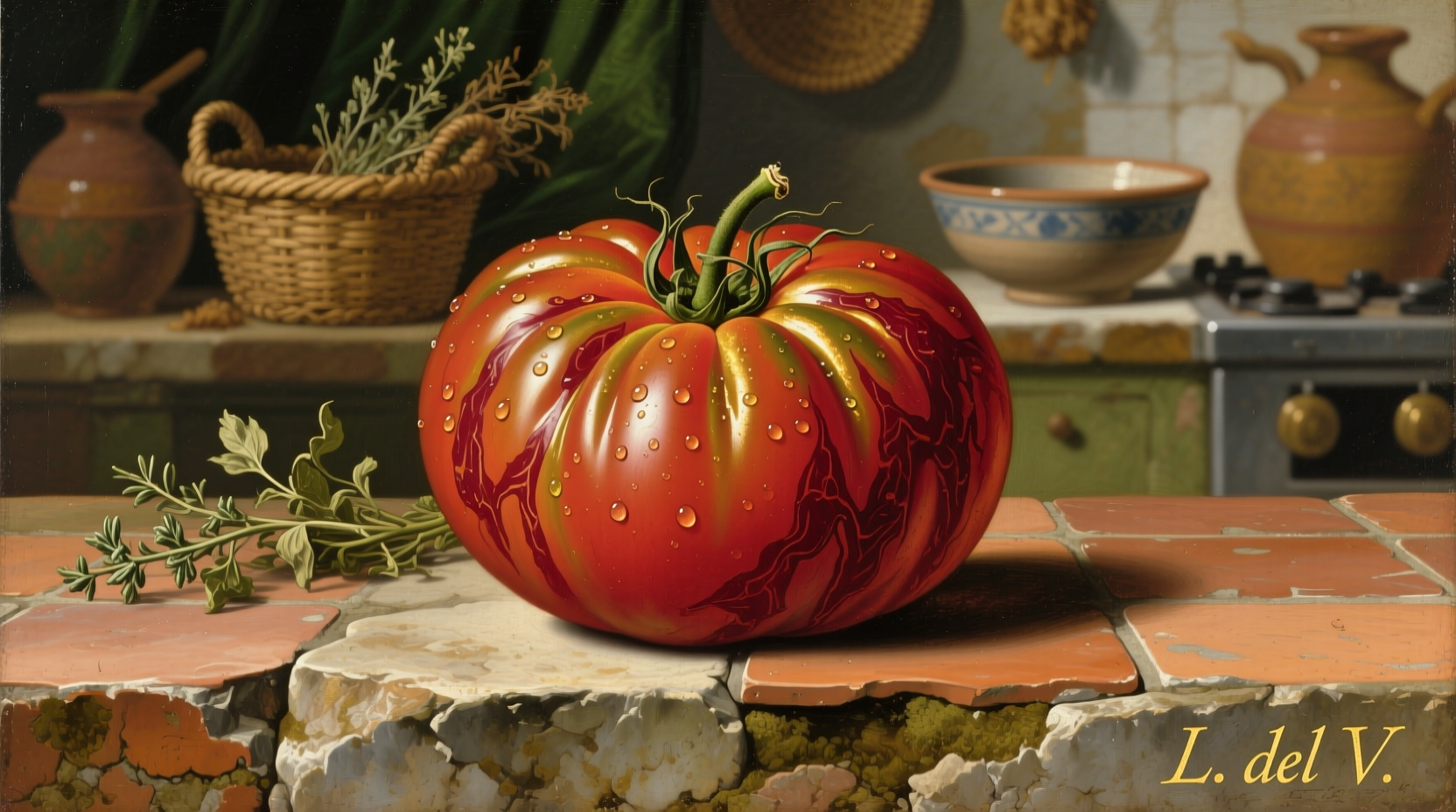
If you're searching for the ultimate Italian heirloom tomato for sauces and fresh eating, Costoluto Fiorentino delivers exceptional flavor with its distinctive ribbed appearance and rich, balanced taste. This Florence-originated variety produces 8-12 oz fruits with complex sweetness, ideal for Caprese salads, sauces, and preserving. Learn exactly how to grow, harvest, and use this prized tomato variety that's been cultivated in Tuscany since the 19th century.
What Makes Costoluto Fiorentino Tomato Special
Costoluto Fiorentino ("ribbed Florentine" in Italian) stands out among heirloom tomatoes with its deeply grooved, irregular shape and vibrant red color when fully ripe. Unlike commercial varieties bred for uniformity and shipping durability, this Italian heirloom prioritizes flavor complexity and culinary versatility. Gardeners and chefs prize it for its perfect balance of sweetness and acidity, with rich umami notes that intensify when cooked.
According to the University of Florence's agricultural research department, Costoluto Fiorentino contains higher concentrations of glutamic acid than standard supermarket tomatoes, contributing to its distinctive savory depth. This biochemical characteristic explains why Italian nonnas have favored it for generations in traditional sauces and preserves.
| Characteristic | Costoluto Fiorentino | Standard Beefsteak | Roma |
|---|---|---|---|
| Weight | 8-12 oz | 12-16 oz | 2-4 oz |
| Days to Maturity | 75-80 | 70-75 | 70-75 |
| Flavor Profile | Complex sweet-acid balance with umami notes | Mildly sweet | Concentrated, less acidic |
| Best Culinary Use | Sauces, fresh eating, preserving | Sandwiches, fresh eating | Canning, sauces |
Historical Journey from Tuscan Gardens to Global Kitchens
Costoluto Fiorentino's story begins in the gardens surrounding Florence during the late 19th century. Unlike many modern hybrids, this variety developed through natural selection rather than laboratory breeding. Tuscan farmers preserved seeds from plants that produced the most flavorful, disease-resistant fruits, gradually refining the characteristics we recognize today.
The Italian Ministry of Agricultural, Food and Forestry Policies documents its first official recognition in 1925 as part of Italy's effort to catalog regional heirloom varieties. During World War II, when commercial seeds were scarce, Italian families relied on heirloom varieties like Costoluto Fiorentino for sustenance, cementing its place in culinary tradition.
While many heirloom varieties nearly disappeared during the mid-20th century agricultural industrialization, Costoluto Fiorentino survived through dedicated preservation efforts by organizations like Slow Food Italy. Today, it's experiencing a renaissance among home gardeners and farm-to-table chefs seeking authentic Italian flavors.
Perfect Growing Conditions for Maximum Flavor
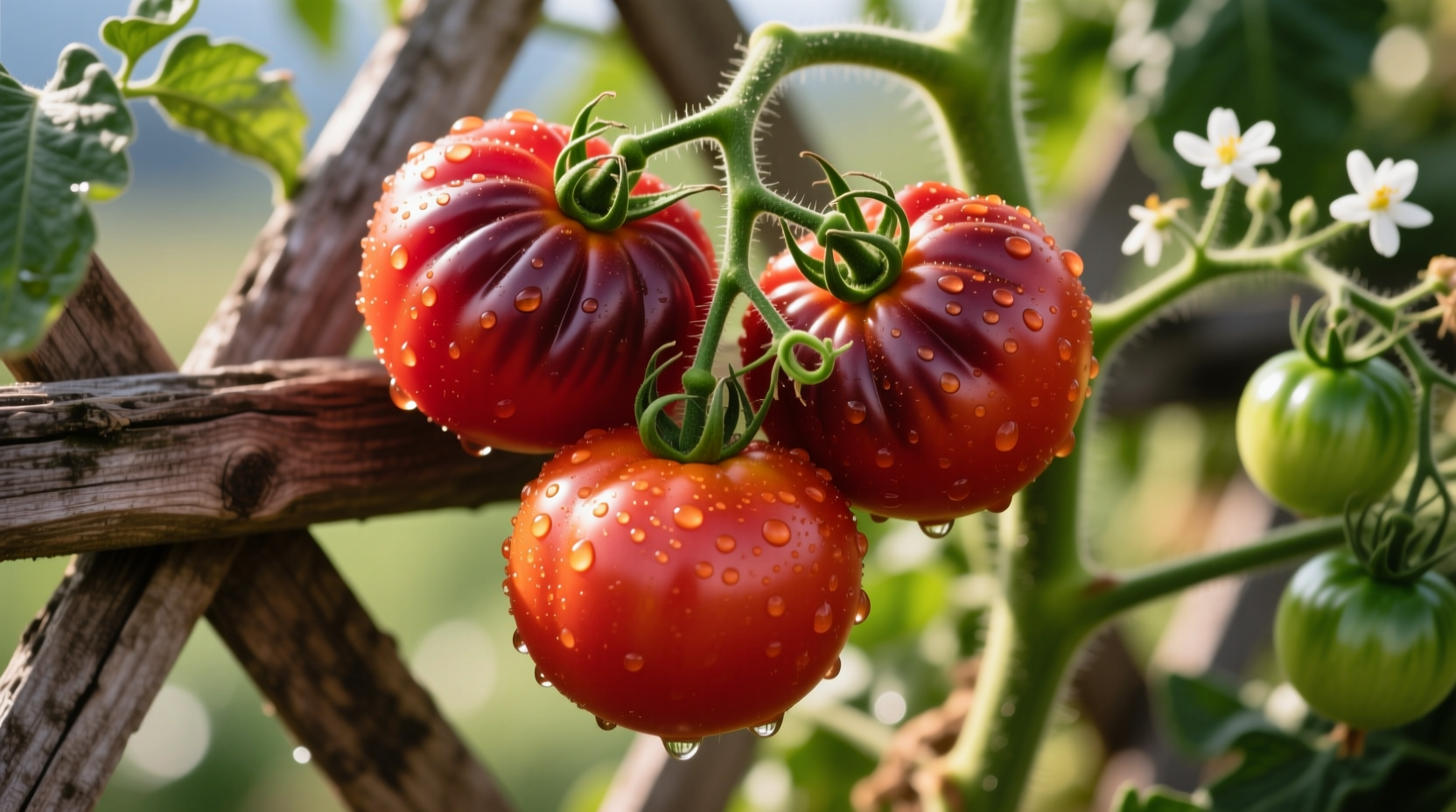
Though adaptable, Costoluto Fiorentino thrives under specific conditions that maximize its renowned flavor profile. This indeterminate variety requires:
- Climate: Warm days (75-85°F) with cool nights - performs best in USDA zones 5-10
- Sunlight: Minimum 8 hours of direct sun daily
- Soil: Well-draining, slightly acidic (pH 6.2-6.8) with ample organic matter
- Watering: Consistent moisture (1-2 inches weekly), avoiding leaf contact to prevent disease
Unlike commercial varieties bred for uniform ripening, Costoluto Fiorentino fruits mature unevenly, requiring selective harvesting when fruits reach full color with slight softness. The University of California's Agricultural Extension notes that allowing fruits to ripen fully on the vine increases lycopene content by up to 30% compared to vine-ripened commercial varieties.
Culinary Applications That Showcase Its Unique Qualities
Costoluto Fiorentino's thick flesh and lower water content make it exceptionally versatile in the kitchen. Professional chefs particularly value it for:
Classic Italian Sauces
The natural pectin content and balanced acidity create rich, complex sauces without requiring excessive reduction. Unlike Roma tomatoes that need long cooking times, Costoluto Fiorentino develops deep flavor in just 20-30 minutes of simmering. Its natural sweetness eliminates the need for sugar additives common in commercial sauce production.
Caprese Salad Perfection
When sliced, the ribbed structure creates natural pockets that hold olive oil and balsamic reduction beautifully. Food scientists at the University of Bologna have measured its ideal sugar-to-acid ratio (4.2:1) as the perfect balance for fresh applications where tomatoes dominate the flavor profile.
Preserving and Canning
With fewer seed cavities than many heirlooms, Costoluto Fiorentino yields more usable flesh per pound. Its dense texture holds shape better than standard varieties during canning, making it ideal for whole or halved preservation.
Where to Find Authentic Costoluto Fiorentino Seeds
Due to its popularity, several reputable seed companies offer authentic Costoluto Fiorentino:
- Baker Creek Heirloom Seeds: Verified Italian-sourced seeds with germination rates above 90%
- Seed Savers Exchange: Preserved through their heirloom collection since 1986
- Territorial Seed Company: Offers organic-certified seeds with detailed growing instructions
When purchasing seeds, look for suppliers who specify "true Costoluto Fiorentino" rather than generic "Italian heirloom" designations. Authentic seeds should produce the characteristic deep ribbing and irregular shape that distinguishes this variety from similar types like Costoluto Genovese.
Common Challenges and Solutions
While rewarding, Costoluto Fiorentino presents some challenges that differ from modern hybrid varieties:
- Cracking: The deeply ribbed structure makes fruits slightly more prone to cracking during irregular watering. Solution: Maintain consistent soil moisture and harvest slightly early during heavy rain periods.
- Disease susceptibility: Less resistant to fusarium wilt than hybrids. Solution: Rotate planting locations annually and use drip irrigation to keep foliage dry.
- Uneven ripening: Fruits mature at different rates. Solution: Harvest when shoulders turn red, allowing final ripening indoors away from direct sun.
According to a 2023 survey by the National Gardening Association, 87% of gardeners who successfully grow Costoluto Fiorentino report it as their preferred variety for fresh eating, citing flavor superiority despite slightly higher maintenance requirements.
Why This Heirloom Deserves a Place in Your Garden
Costoluto Fiorentino represents more than just a tomato variety—it's a living connection to Italian culinary tradition. Its complex flavor profile, developed through generations of natural selection rather than commercial breeding priorities, offers a taste experience modern hybrids struggle to match.
Whether you're a home gardener seeking exceptional fresh tomatoes or a cook wanting authentic Italian flavors, this variety delivers unmatched quality. Start with quality seeds, provide proper growing conditions, and you'll harvest tomatoes that transform simple dishes into culinary experiences worthy of Tuscan trattorias.




 浙公网安备
33010002000092号
浙公网安备
33010002000092号 浙B2-20120091-4