
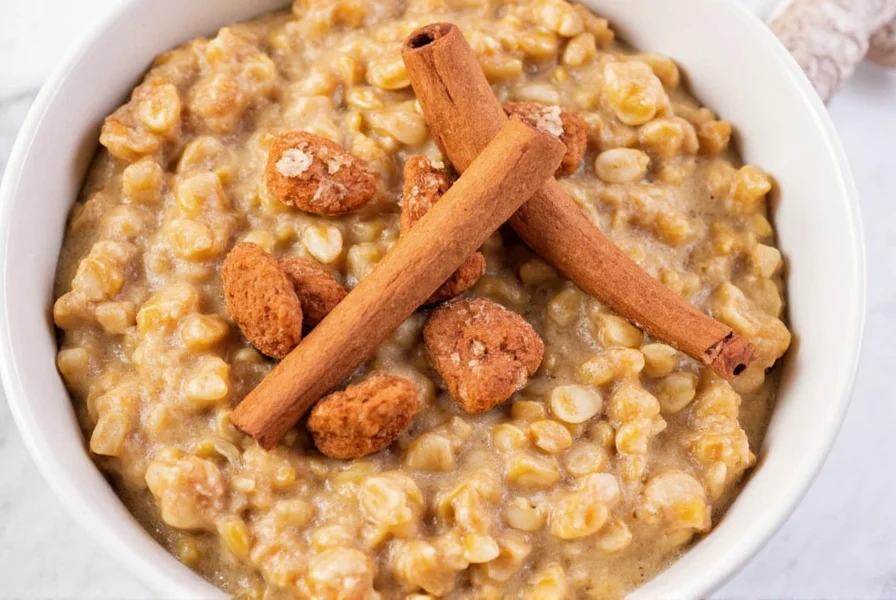
Starting your day with cinnamon oatmeal provides a powerful nutritional combination that's been scientifically linked to multiple health benefits. Oats deliver soluble fiber that supports digestive health and cholesterol management, while cinnamon contains potent antioxidants and compounds that may help regulate blood sugar. Together, they form a breakfast that keeps you full longer and provides steady energy without the mid-morning crash.
The Science-Backed Benefits of Cinnamon Oatmeal
Research shows that the combination of oats and cinnamon creates a synergistic effect that enhances their individual health properties. Oats contain beta-glucan, a type of soluble fiber that forms a gel-like substance in your gut, slowing digestion and helping maintain steady blood sugar levels. A 2022 review in Nutrients confirmed that consuming just 3 grams of oat beta-glucan daily significantly improves cholesterol profiles.
Cinnamon, particularly Ceylon cinnamon (often called "true cinnamon"), contains cinnamaldehyde and other bioactive compounds with anti-inflammatory and antioxidant properties. Studies published in the Journal of the Academy of Nutrition and Dietetics indicate that consuming 1-6 grams of cinnamon daily may improve insulin sensitivity and help regulate post-meal blood sugar spikes—making cinnamon oatmeal an excellent choice for those managing blood sugar levels.
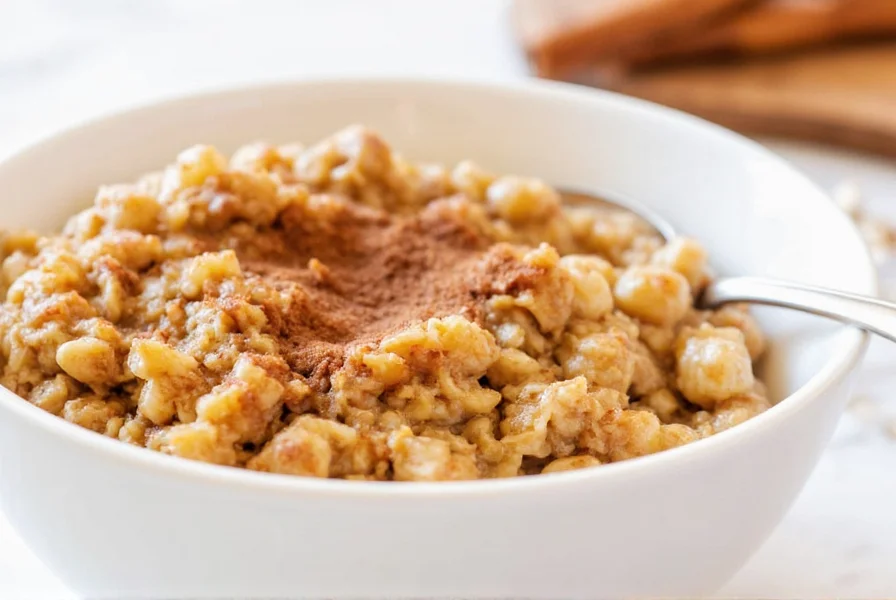
Perfect Cinnamon Oatmeal Recipe
This basic cinnamon oatmeal recipe serves one and can be easily doubled or tripled. For best results, use steel-cut oats for maximum fiber content or rolled oats for quicker preparation.
Ingredients
- ½ cup (40g) rolled oats or ⅓ cup (60g) steel-cut oats
- 1 cup (240ml) water or unsweetened almond milk
- ½-1 teaspoon ground cinnamon (adjust to taste)
- Pinch of sea salt
- Optional: 1 teaspoon pure maple syrup or honey
- Optional toppings: sliced banana, chopped nuts, chia seeds
Step-by-Step Instructions
- Combine oats, liquid, cinnamon, and salt in a small saucepan
- Bring to a gentle boil over medium heat, stirring occasionally
- Reduce heat to low and simmer: 5 minutes for rolled oats, 20-25 minutes for steel-cut oats
- Stir frequently to prevent sticking, especially toward the end of cooking
- Remove from heat and let stand for 2 minutes to thicken
- Add sweetener if using and stir well
- Serve immediately with your choice of toppings
| Nutrient | Per Serving (Rolled Oats) | % Daily Value |
|---|---|---|
| Calories | 150 | 8% |
| Total Fat | 3g | 4% |
| Saturated Fat | 0.5g | 3% |
| Carbohydrates | 27g | 10% |
| Dietary Fiber | 4g | 14% |
| Sugars | 1g | * |
| Protein | 5g | 10% |
Variations for Different Dietary Needs
Adapt this healthy cinnamon oatmeal recipe to suit various dietary requirements while maintaining its nutritional benefits:
Vegan Cinnamon Oatmeal
Use water or plant-based milk and replace honey with maple syrup or date syrup. Add a tablespoon of chia seeds during cooking for extra omega-3s and thickness.
Gluten-Free Preparation
While oats are naturally gluten-free, cross-contamination is common. For certified gluten-free cinnamon oatmeal, use oats labeled "gluten-free" and ensure your cinnamon is from a dedicated facility.
Protein-Packed Version
Mix in one scoop of unflavored protein powder after cooking, or stir in a tablespoon of almond butter. Top with pumpkin seeds for additional protein and healthy fats.
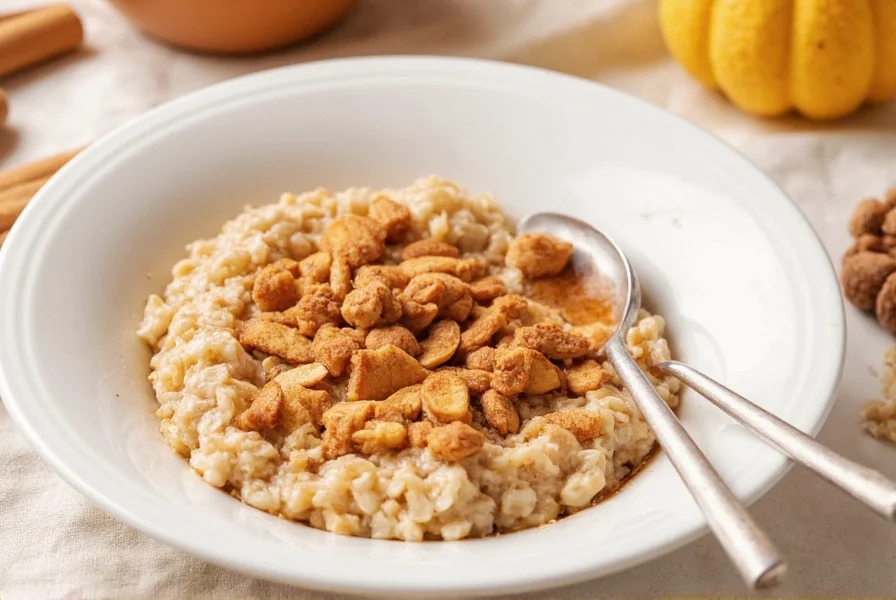
Expert Tips for Perfect Cinnamon Oatmeal Every Time
Professional chefs and nutritionists recommend these evidence-based techniques for optimal cinnamon oatmeal preparation:
- Add cinnamon early: Incorporating cinnamon at the beginning of cooking allows its compounds to interact with the oats, enhancing both flavor and potential health benefits
- Avoid pre-sweetened varieties: Many instant oatmeal packets contain added sugars that negate cinnamon's blood sugar benefits
- Try the overnight method: For steel-cut oats, soak them in liquid with cinnamon overnight to reduce cooking time and improve digestibility
- Use Ceylon cinnamon: This variety contains significantly less coumarin (a compound that can be harmful in large quantities) than the more common Cassia cinnamon
- Don't overcook: Remove from heat when oats reach your preferred texture, as they'll continue thickening off the heat
Storage and Meal Prep Guidance
Cinnamon oatmeal makes an excellent meal prep option. Cooked oatmeal will keep in an airtight container in the refrigerator for up to 5 days. For best texture when reheating, add a splash of liquid and stir frequently. Alternatively, prepare individual portions in mason jars for grab-and-go breakfasts.
For longer storage, portion cooled oatmeal into freezer-safe containers and freeze for up to 3 months. Thaw overnight in the refrigerator before reheating. The natural properties of cinnamon help preserve freshness better than many other flavor additions.
Why Cinnamon Oatmeal Outperforms Other Breakfast Options
Compared to typical breakfast choices like sugary cereals or pastries, cinnamon oatmeal provides sustained energy release due to its balanced combination of complex carbohydrates, fiber, and healthy fats. A 2023 study in the American Journal of Clinical Nutrition found that participants who ate oat-based breakfasts reported 20% greater satiety and made healthier food choices throughout the day compared to those who consumed refined carbohydrate breakfasts.
The specific addition of cinnamon enhances this effect. Research from the University of California shows that the combination of oats and cinnamon creates a lower glycemic response than oats alone, making it particularly valuable for those monitoring blood sugar levels. This healthy cinnamon oatmeal preparation delivers the comforting warmth of a traditional breakfast while providing measurable health benefits that extend well beyond the morning meal.
Frequently Asked Questions
How much cinnamon should I add to my oatmeal for health benefits?
For measurable health benefits, use at least ½ teaspoon of cinnamon per serving of oatmeal. Research suggests that 1-2 grams (approximately ½-1 teaspoon) of cinnamon daily provides antioxidant and blood sugar regulation benefits without exceeding safe coumarin levels, especially when using Ceylon cinnamon.
Can cinnamon oatmeal help with weight loss?
Yes, cinnamon oatmeal can support weight management efforts. The high fiber content in oats promotes satiety, while cinnamon may help regulate blood sugar and reduce cravings. A study in the Journal of Nutrition and Metabolism found that participants who consumed cinnamon with carbohydrate-rich meals reported feeling fuller longer and consumed fewer calories at subsequent meals.
What's the difference between using Ceylon and Cassia cinnamon in oatmeal?
Ceylon cinnamon ("true cinnamon") has a more delicate flavor and contains significantly less coumarin—a compound that can be harmful in large quantities—than Cassia cinnamon, which is more commonly found in supermarkets. For daily consumption, Ceylon is preferred for safety, though Cassia can be used occasionally in small amounts. Both varieties offer similar health benefits when used appropriately.
How can I make overnight cinnamon oatmeal without it becoming too soggy?
To prevent sogginess in overnight cinnamon oatmeal, use a 1:1 ratio of liquid to oats rather than the traditional 2:1 ratio for cooked oatmeal. Add the cinnamon and a pinch of salt to the mixture, but wait to add sweeteners until morning. Using steel-cut oats instead of rolled oats also maintains better texture through overnight soaking. For optimal results, let the mixture sit at room temperature for the first hour before refrigerating.
Is instant cinnamon oatmeal as healthy as homemade?
Most instant cinnamon oatmeal packets contain added sugars and preservatives that reduce their nutritional value. A typical serving can contain 12-15 grams of added sugar, negating cinnamon's potential blood sugar benefits. For a truly healthy cinnamon oatmeal, prepare it from scratch using plain oats and add your own cinnamon and minimal sweetener. If using instant packets, look for varieties with less than 5g of sugar per serving and no artificial ingredients.




 浙公网安备
33010002000092号
浙公网安备
33010002000092号 浙B2-20120091-4