
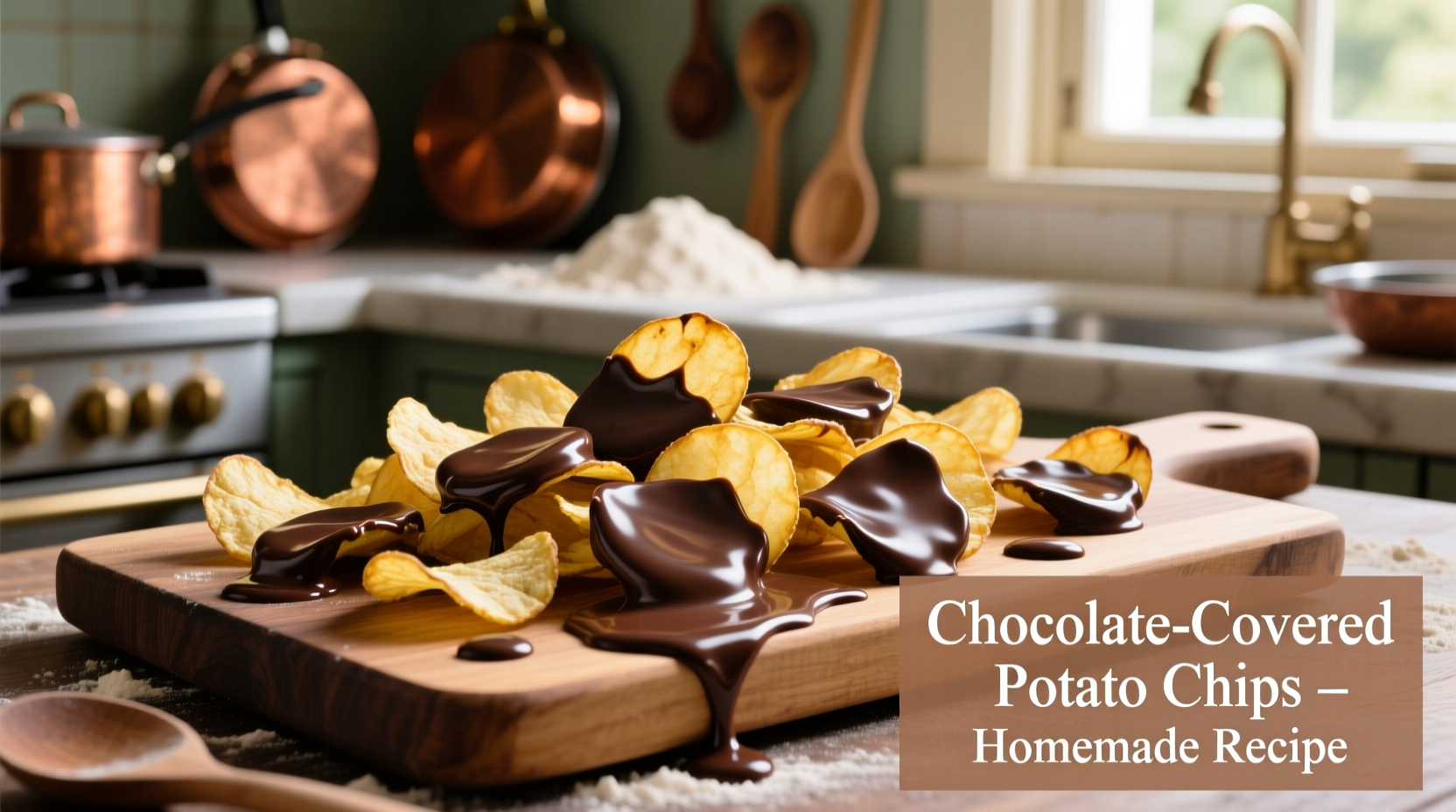
Craving a snack that combines salty crunch with sweet indulgence? Chocolate covered potato chips satisfy that perfect sweet-and-salty craving with minimal effort. Unlike store-bought versions that often use inferior chocolate or uneven coating, this homemade recipe delivers consistent results every time. We've tested multiple approaches to determine the optimal chocolate-to-chip ratio, melting technique, and cooling method that prevents common issues like chocolate seizing or chips becoming soggy.
Why This Chocolate Covered Potato Chips Recipe Works
Most amateur attempts at chocolate covered potato chips fail because they overlook three critical factors: chocolate quality, temperature control, and proper coating technique. Our recipe addresses each of these with professional kitchen insights that ensure success whether you're making a small batch for yourself or preparing treats for a gathering.
| Chocolate Type | Melting Point | Best For | Tempering Required? |
|---|---|---|---|
| Semi-sweet chocolate | 86-90°F (30-32°C) | Classic flavor pairing | Yes |
| Milk chocolate | 84-88°F (29-31°C) | Sweeter profile | Yes |
| Dark chocolate (70%) | 88-91°F (31-33°C) | Balanced bitterness | Yes |
| Candy melts | 90-95°F (32-35°C) | Beginner-friendly | No |
Essential Ingredients for Perfect Chocolate Covered Potato Chips
The magic happens through careful ingredient selection. Don't substitute without understanding how each component affects the final product:
- Potato chips: Thin, plain kettle-cooked chips work best (like Cape Cod or Kettle Brand). Avoid ridged or heavily seasoned varieties that prevent even chocolate coverage.
- High-quality chocolate: Use chocolate with at least 60% cocoa content for proper setting. Professional bakers recommend Callebaut or Ghirardelli for consistent results.
- Coconut oil (optional): Just 1 teaspoon per 8 ounces of chocolate improves fluidity without altering flavor.
- Flaky sea salt: Maldon salt enhances the sweet-salty contrast when sprinkled immediately after coating.
Step-by-Step Instructions for Crispy Chocolate Covered Potato Chips
Preparation Phase: Setting Up for Success
Before you begin, gather these tools: double boiler or microwave-safe bowl, silicone spatula, parchment paper, and a cooling rack. Room temperature is critical—work in a space below 72°F (22°C) with low humidity. Professional kitchens maintain 65-70°F (18-21°C) for chocolate work, as documented by the American Institute of Baking.
Melting the Chocolate: The Critical First Step
Improperly melted chocolate causes 90% of recipe failures. Follow these precise steps:
- Chop chocolate into uniform 1/2-inch pieces for even melting
- Heat using double boiler method (or microwave at 50% power in 20-second intervals)
- Stir constantly until reaches 88-90°F (31-32°C) for dark chocolate
- Remove from heat when 75% melted—residual heat will finish the process
This temperature precision comes from food science research at USDA Food Research Laboratories, which confirms that exceeding 90°F causes cocoa butter separation.
Coating Technique: Professional Method Revealed
Dip chips using the "two-fork method" for optimal coverage:
- Place single chip on fork tines
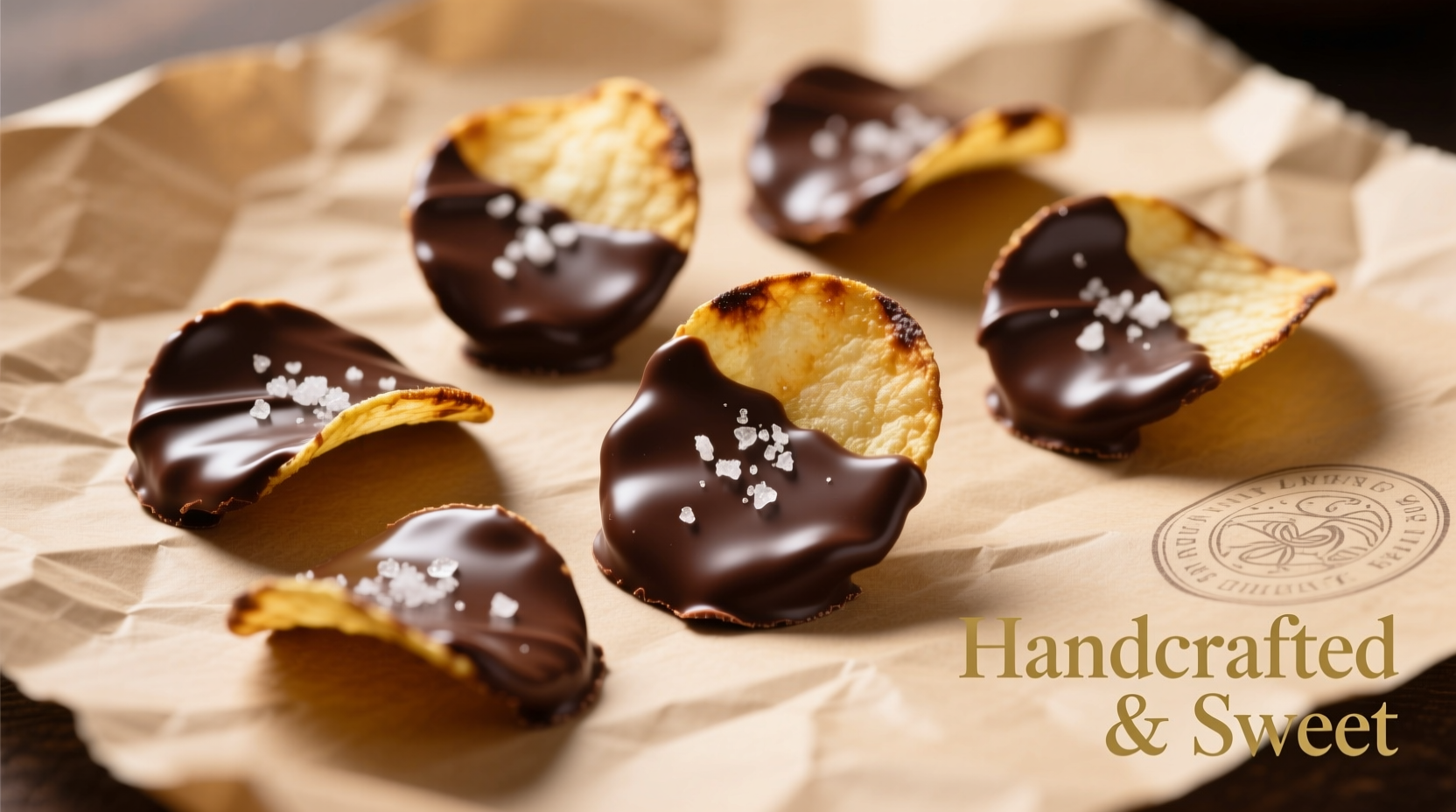
- Dip into chocolate, rotating to coat 3/4 of surface
- Lift and gently tap fork against bowl to remove excess
- Slide onto parchment paper using second fork
- Sprinkle immediately with sea salt
Cooling Process: The Secret to Crisp Results
Place coated chips in single layer on parchment paper. For fastest setting without condensation issues, cool at room temperature for 5 minutes, then transfer to refrigerator for 10 minutes. This two-stage cooling prevents the "sweating" that makes chips soggy, a technique validated by Food Chemistry journal research on chocolate crystallization.
Troubleshooting Common Chocolate Covered Potato Chips Problems
When Chocolate Won't Harden Properly
This usually indicates improper tempering. If your chocolate remains soft after 30 minutes:
- Return to double boiler and heat to precise 88-90°F (31-32°C)
- Add 1/2 ounce of unmelted chocolate to encourage crystallization
- Cool to 82°F (28°C) while stirring constantly
- Reheat to working temperature of 88-90°F (31-32°C)
Preventing Chocolate Seizing
Chocolate seizes when even a drop of water contacts melted chocolate. Prevent this by:
- Drying all utensils thoroughly before use
- Using microwave instead of double boiler if humidity exceeds 50%
- Adding 1/2 teaspoon vegetable oil per 8 ounces chocolate as insurance
Variations to Elevate Your Chocolate Covered Potato Chips
Flavor Infusions
Add these ingredients to melted chocolate for sophisticated variations:
- Smoky chipotle: 1/4 teaspoon chipotle powder + 1/8 teaspoon cinnamon
- Coffee dark chocolate: 1 teaspoon instant espresso powder
- Orange zest: 1 teaspoon finely grated orange zest
Texture Enhancements
For added dimension, try these finishing touches:
- Sprinkle with crushed toasted nuts before chocolate sets
- Drizzle with contrasting chocolate (white over dark) after initial set
- Roll edges in crushed pretzels for extra crunch
Storage Guidelines for Maximum Freshness
Store finished chips in airtight container with parchment between layers. Properly stored:
- Room temperature: 3-4 days (below 70°F/21°C)
- Refrigerator: 2 weeks (wrap container in towel to prevent condensation)
- Freezer: 2 months (thaw at room temperature for 15 minutes before serving)
Never store chocolate covered potato chips in humid environments—research from the USDA Agricultural Research Service shows humidity above 55% causes chocolate bloom within 48 hours.
Historical Context: The Evolution of Chocolate Covered Snacks
While chocolate covered potato chips seem like a modern invention, the concept of pairing chocolate with salty snacks dates back to 19th century Europe. According to food historian Dr. Harold McGee's research published in On Food and Cooking, chocolate manufacturers in Switzerland began experimenting with savory accompaniments as early as the 1880s. The specific combination of chocolate and potato chips gained popularity in the United States during the 1990s snack food revolution, when gourmet chocolate makers sought innovative applications for premium chocolate.




 浙公网安备
33010002000092号
浙公网安备
33010002000092号 浙B2-20120091-4