
Why Gardeners and Chefs Treasure Costoluto Genovese Tomatoes
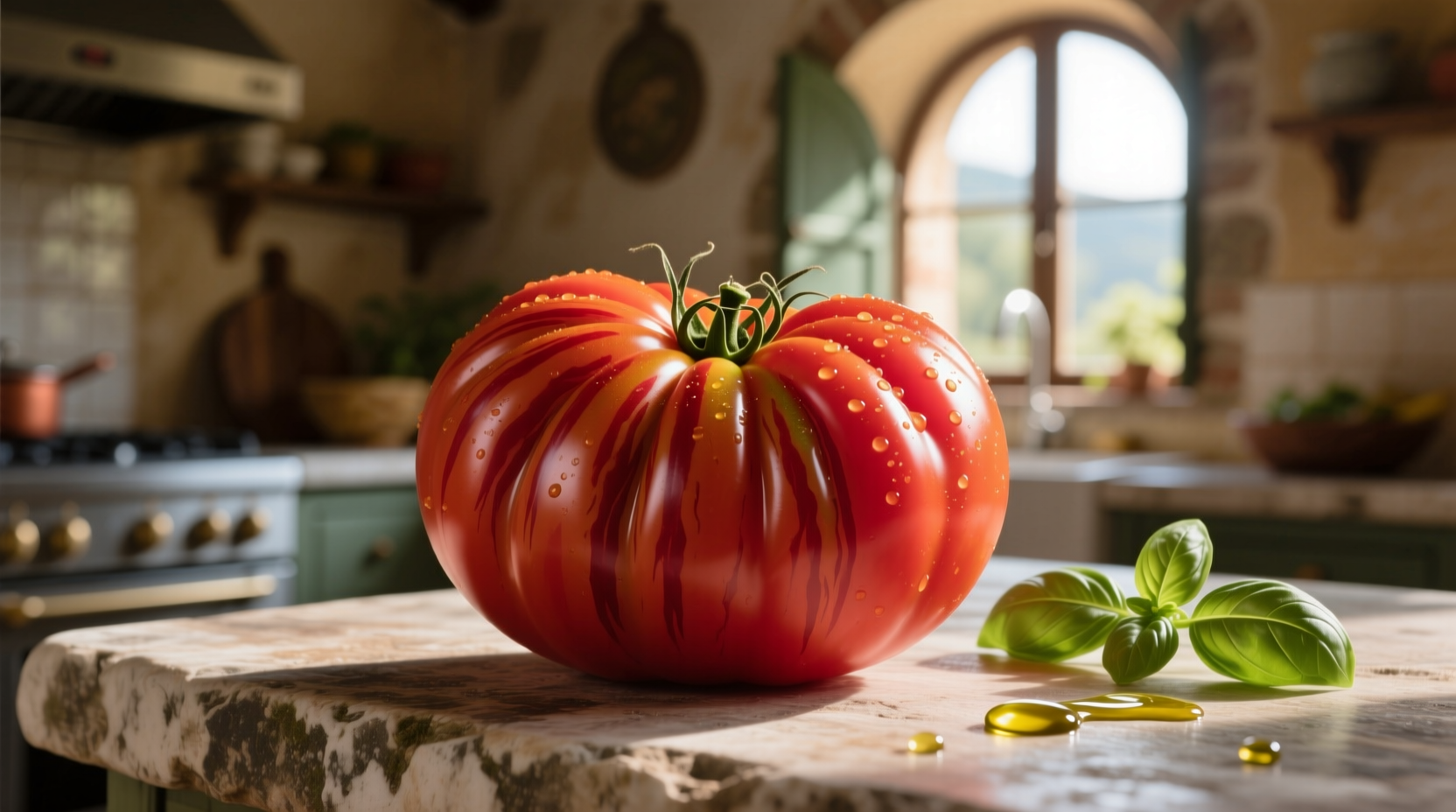
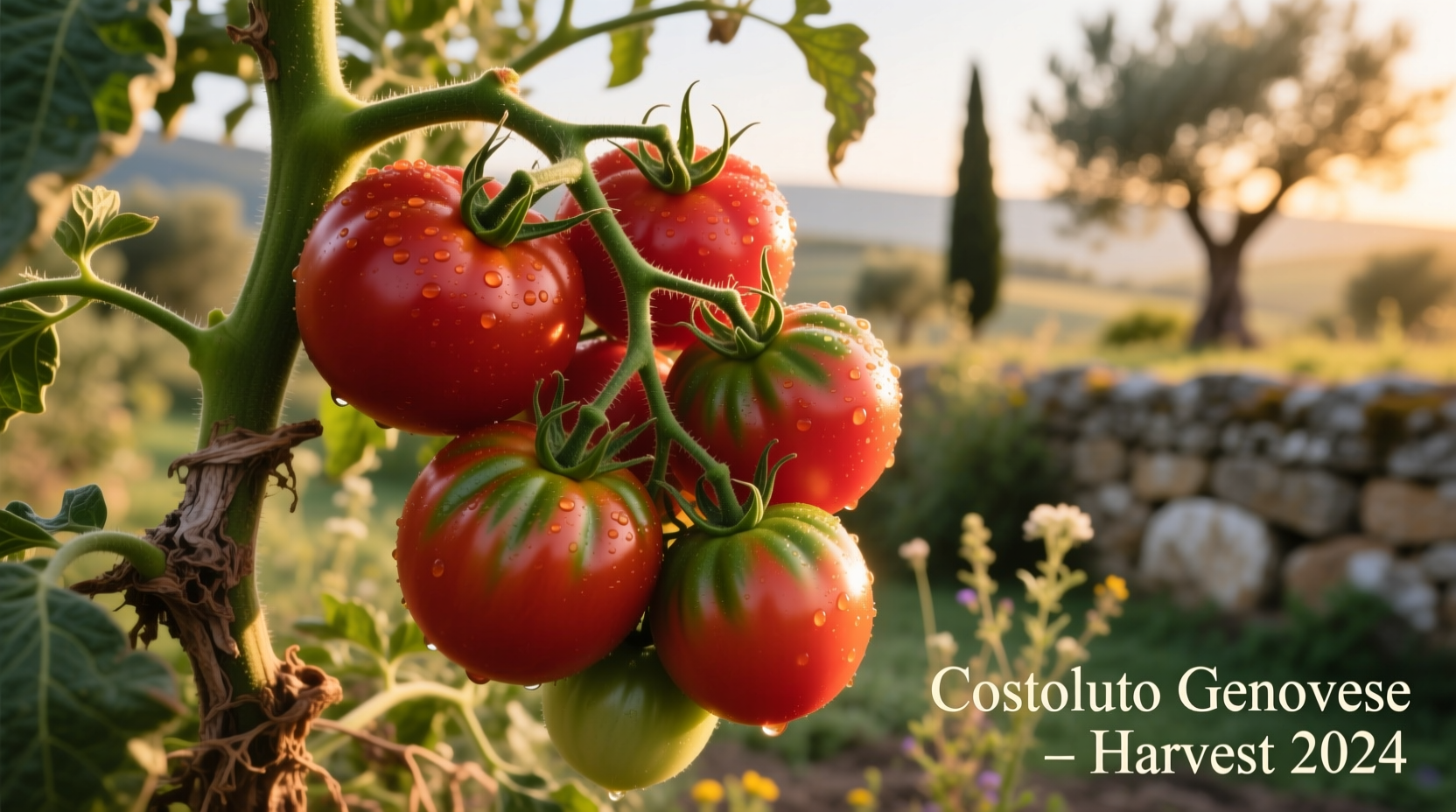
When you slice into a perfectly ripe Costoluto Genovese tomato, you're experiencing centuries of Italian agricultural tradition. This distinctive heirloom variety stands out with its deeply furrowed, irregular heart shape and vibrant red color with characteristic green shoulders that gradually fade as it ripens. Unlike commercial hybrids bred for uniformity and shipping durability, Costoluto Genovese delivers the authentic tomato experience that passionate home gardeners and professional chefs seek.
Distinctive Characteristics You Can't Miss
What makes Costoluto Genovese immediately recognizable? Look for these defining features:
- Unique shape: Deeply ribbed, somewhat flattened heart shape with pronounced lobes
- Size: Typically 8-12 ounces per fruit, though some can reach 16 ounces under ideal conditions
- Color progression: Starts with prominent green shoulders that gradually turn red as it ripens
- Texture: Meaty flesh with fewer seeds than many heirloom varieties
- Vine habit: Indeterminate growth requiring staking or caging
How Costoluto Genovese Compares to Similar Varieties
| Variety | Shape | Flavor Profile | Best Culinary Uses | Maturity (Days) |
|---|---|---|---|---|
| Costoluto Genovese | Deeply ribbed heart | Rich, complex, balanced sweet-acidic | Sauces, fresh preparations, Ligurian pesto | 75-80 |
| Costoluto Fiorentino | Less pronounced ribs | Sweeter, milder acidity | Fresh eating, sandwiches | 70-75 |
| Cuore di Bue (Oxheart) | Conical, less ribbed | Sweet, low acidity | Slicing, sandwiches | 80-85 |
| San Marzano | Elongated, plum-shaped | Concentrated, less sweet | Canning, sauces | 75 |
From South American Origins to Italian Treasure
While tomatoes originated in western South America, Costoluto Genovese represents a fascinating evolution of the fruit after its introduction to Europe. Spanish explorers brought tomatoes to Europe in the 16th century, but they weren't widely embraced until centuries later. The specific lineage of Costoluto Genovese developed in the Liguria region around Genoa, where Mediterranean climate conditions proved ideal for cultivating tomatoes with exceptional flavor.
According to historical agricultural records from the University of Genoa, this variety became particularly prominent in the late 19th century as Italian farmers selectively bred tomatoes for flavor rather than uniformity. The distinctive ribbing that characterizes Costoluto Genovese likely emerged as a natural mutation that growers preserved because of the superior taste it delivered.
Unlocking the Flavor Potential in Your Kitchen
Costoluto Genovese's balanced flavor profile makes it incredibly versatile in the kitchen. Unlike many heirloom varieties that can be overly acidic or watery, this tomato offers the perfect harmony of sweetness and acidity that professional chefs prize.
For authentic Ligurian preparations, try these applications:
- Traditional pesto: The rich flavor complements basil perfectly without overwhelming it
- Tomato sauces: Cooks down to a thick, flavorful sauce with minimal water content
- Caprese salad: Sliced and served with fresh mozzarella and basil
- Stuffed tomatoes: The large size and firm flesh make it ideal for stuffing
- Preserved whole: Excellent for canning in olive oil with herbs
When harvesting Costoluto Genovese for fresh eating, allow the green shoulders to fully ripen to red for maximum sweetness. For sauce making, some chefs prefer picking them slightly early when the green shoulders are still prominent, as this increases acidity which balances well in cooked preparations.
Successful Growing Tips for Home Gardeners
Though Costoluto Genovese thrives in Mediterranean climates like its native Liguria, gardeners worldwide can successfully grow this variety with proper care. The University of California Cooperative Extension notes that tomatoes perform best when daytime temperatures range between 70-85°F (21-29°C) with nighttime temperatures above 55°F (13°C).
Follow these guidelines for optimal results:
- Planting: Start seeds indoors 6-8 weeks before last frost date; transplant outdoors when soil reaches at least 60°F (15°C)
- Spacing: Allow 24-36 inches between plants with 4-5 feet between rows
- Support: Use sturdy cages or trellising systems—indeterminate vines can reach 6-8 feet tall
- Watering: Consistent moisture is crucial—avoid both drought stress and overwatering
- Fertilizing: Moderate feeding with balanced organic fertilizer; too much nitrogen reduces fruit quality
Gardeners in cooler climates should select a sunny, sheltered location and consider using black plastic mulch to warm the soil. In extremely hot regions, provide afternoon shade to prevent sunscald on ripening fruits.
Where to Find Authentic Costoluto Genovese Seeds and Plants
As interest in heirloom varieties grows, more seed companies offer authentic Costoluto Genovese. Look for reputable seed suppliers specializing in heirloom and European varieties. The Slow Food Foundation's Ark of Taste catalog recognizes Costoluto Genovese as a culturally significant food variety worth preserving.
When purchasing seeds, verify they come from established seed savers who maintain the variety's integrity. Some farmers markets in regions with strong Italian heritage may offer fresh Costoluto Genovese tomatoes during peak season (July-September in the Northern Hemisphere).




 浙公网安备
33010002000092号
浙公网安备
33010002000092号 浙B2-20120091-4