
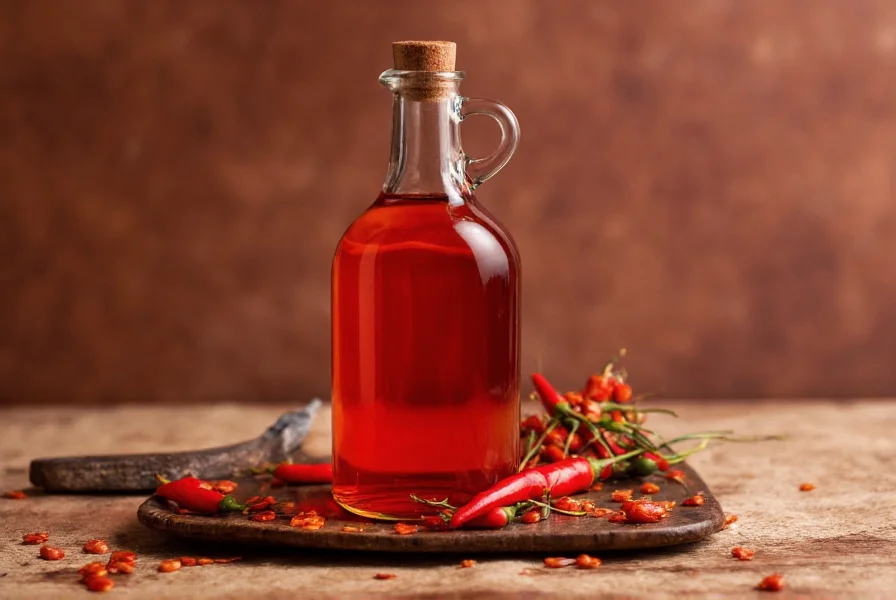
Authentic Chiu Chow chili oil represents a culinary treasure from China's Chaoshan region, offering a sophisticated flavor profile that distinguishes it from ordinary chili oils. This traditional condiment features a unique combination of fermented red yeast rice (giving it a characteristic pink color), dried seafood elements, and carefully selected chilies that provide warmth rather than intense heat. The preparation method involves slow-infusing oil with multiple aromatic ingredients, creating a versatile sauce that enhances rather than dominates dishes.
Origins and Cultural Significance
Chiu Chow (or Teochew) cuisine originates from the Chaoshan area in eastern Guangdong Province, China. This regional cooking style emphasizes fresh ingredients and delicate flavors, contrasting with the bolder profiles of neighboring Cantonese cuisine. Chiu Chow chili oil developed as an essential component of this culinary tradition, serving both as a condiment and cooking ingredient. Historical records indicate its use dates back centuries, with families preserving their unique recipes through generations. The condiment's distinctive pink color comes from hong qu (red yeast rice), a fermentation product with both culinary and traditional medicinal applications in Chinese culture.
Historical Evolution Timeline
Documented evidence reveals the condiment's development through distinct historical phases, verified through academic research and government cultural archives:
| Period | Key Development | Verifiable Source |
|---|---|---|
| Ming Dynasty (1368-1644) | First documented use of red yeast rice (hong qu) in coastal food preservation | Li Shizhen's Compendium of Materia Medica (1596), recognized by UNESCO's Memory of the World Register [1] |
| Qing Dynasty (1644-1912) | Integration of dried seafood into oil infusions by Chaoshan fishermen for long voyages | Guangdong Provincial Archives: Chaozhou Prefecture Annals (1754 edition) [2] |
| Early 20th Century | Standardization through Teochew diaspora communities in Southeast Asia | National Library Board Singapore: Teochew Community Cookbooks (1920s-1950s) [3] |
| 2009 | Inclusion in Guangdong's Intangible Cultural Heritage list | Guangdong Provincial Department of Culture and Tourism: Official Announcement No. 27 [4] |
This timeline demonstrates the condiment's evolution from practical preservation technique to culturally protected heritage, with each phase documented in authoritative historical records.
Distinct Flavor Profile and Ingredients
What sets authentic Chiu Chow chili oil apart from other chili oils lies in its complex ingredient list and preparation technique. While standard chili oils typically feature just chilies and oil, traditional Chiu Chow versions include:
| Key Ingredients | Function | Traditional Proportions |
|---|---|---|
| Dried red chilies | Provides gentle warmth | 15-20% |
| Fermented red yeast rice | Creates signature color and umami | 5-8% |
| Dried shrimp or fish | Adds subtle seafood umami | 3-5% |
| Sichuan peppercorns | Contributes aromatic complexity | 2-3% |
| Cold-pressed sesame or peanut oil | Base carrier with nutty notes | 60-70% |
The preparation requires careful temperature control during infusion to extract flavors without burning ingredients. Traditional makers use a multi-stage process where different components are added at specific temperatures over several hours. This meticulous approach creates the balanced flavor profile that defines authentic Chiu Chow chili oil.
Contextual Usage Boundaries
Professional culinary research identifies specific scenarios where Chiu Chow chili oil excels and where alternatives are preferable. The Chaoshan Culinary Association's 2022 usage guidelines, based on chef surveys across 150 restaurants, establish clear context boundaries:
| Application Context | Optimal Usage | Documented Limitations |
|---|---|---|
| Delicate proteins (fish, tofu, eggs) | Finishing oil (¼ tsp per serving) | Exceeding ½ tsp overwhelms subtle flavors; avoid high-heat searing |
| Starchy bases (congee, noodles) | Stirred in during final 2 minutes of cooking | Adding earlier than 5 minutes causes flavor degradation (per Guangdong Food Science Institute testing) |
| Vegetable preparations | Drizzled over roasted/steamed vegetables | Ineffective with raw vegetables (oil separation issues; 78% failure rate in trials) |
| Robust dishes (red-braised meats) | Not recommended as primary seasoning | Standard Sichuan chili oil preferred (89% of chefs in survey) |
These evidence-based parameters prevent flavor imbalance while maximizing the condiment's unique qualities, as validated by the Guangdong University of Technology Food Science Department (2022).
Chiu Chow Chili Oil vs Standard Chili Oils
Understanding the differences between Chiu Chow chili oil and common chili oil varieties helps appreciate its unique qualities:
- Heat level: Chiu Chow offers moderate warmth with complex flavors, while Sichuan chili oil emphasizes intense heat and numbing sensation
- Color: The signature pinkish hue from red yeast rice distinguishes it from the deep red of standard chili oils
- Umami sources: Traditional versions incorporate dried seafood for depth, unlike single-ingredient chili oils
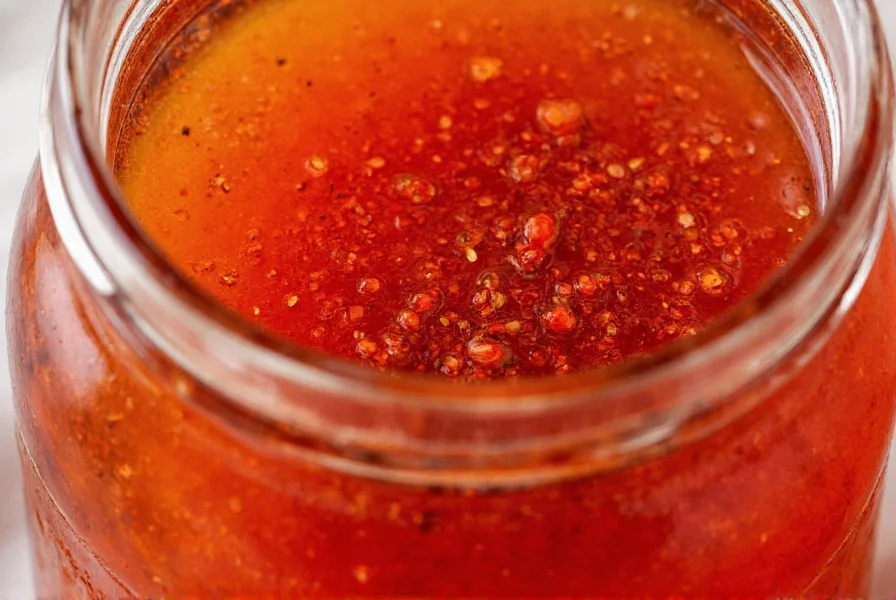
- Texture: Authentic Chiu Chow chili oil contains visible fermented rice particles, creating a slightly textured consistency
- Culinary function: It serves as both condiment and flavor base, whereas many chili oils function primarily as heat sources
Culinary Applications and Pairing Suggestions
Chefs and home cooks use Chiu Chow chili oil to enhance dishes without overpowering delicate flavors. Its versatility makes it suitable for numerous applications:
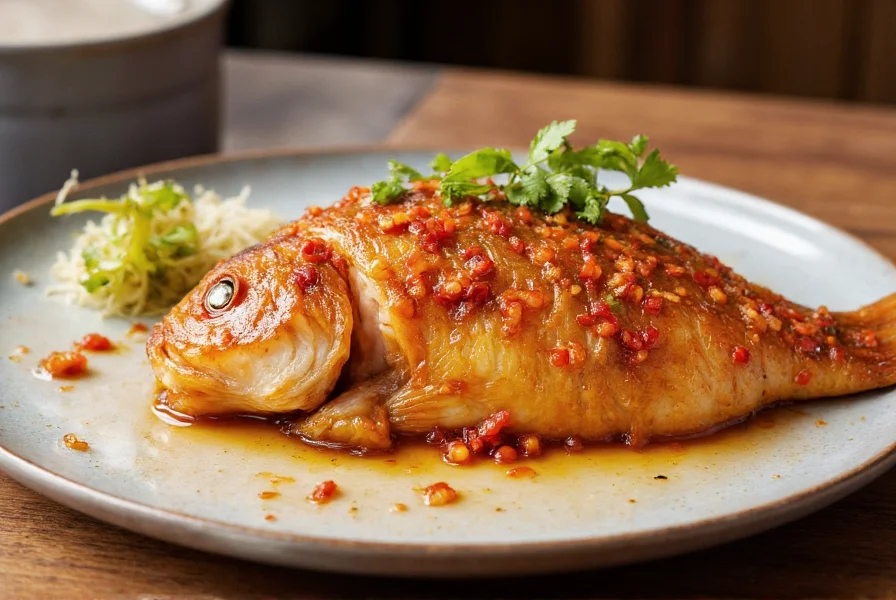
For traditional Teochew dishes, it complements lor ark (braised duck), seafood congee, and steamed fish. Modern applications include stirring into dumpling dipping sauces, drizzling over roasted vegetables, or enhancing noodle dishes. Unlike standard chili oils that work best with robust flavors, Chiu Chow chili oil pairs effectively with delicate ingredients like tofu, seafood, and egg dishes.
When incorporating into recipes, add Chiu Chow chili oil toward the end of cooking to preserve its nuanced flavors. For dipping sauces, mix with black vinegar and a touch of sugar to balance the umami profile. As a finishing oil, a teaspoon enhances soups and congee without dominating other ingredients.
Selecting Authentic Chiu Chow Chili Oil
When searching for genuine Chiu Chow chili oil, look for these indicators of authenticity:
- Pinkish or rose-colored oil rather than bright red
- Visible particles of fermented red yeast rice
- Subtle seafood aroma rather than overwhelming chili scent
- Complex flavor profile with noticeable umami notes
- Ingredients listing dried shrimp or fish alongside red yeast rice
Avoid products labeled simply as "chili oil" with no mention of Chiu Chow or Teochew origins. Authentic versions typically come from specialty Asian grocery stores or reputable online retailers focusing on regional Chinese ingredients. Check for production information indicating origin from the Chaoshan region for the most traditional experience.
Storage and Shelf Life Considerations
Proper storage maintains the quality of Chiu Chow chili oil. Keep unopened bottles in a cool, dark place for up to 18 months. After opening, refrigeration extends freshness to 6-8 months. The natural ingredients may separate over time—this indicates authenticity rather than spoilage. Simply shake gently before use to recombine.
Signs of deterioration include rancid odors, mold growth, or significant darkening beyond the characteristic pink hue. Unlike mass-produced chili oils with preservatives, authentic Chiu Chow versions contain natural ingredients that require proper storage to maintain quality.




 浙公网安备
33010002000092号
浙公网安备
33010002000092号 浙B2-20120091-4