
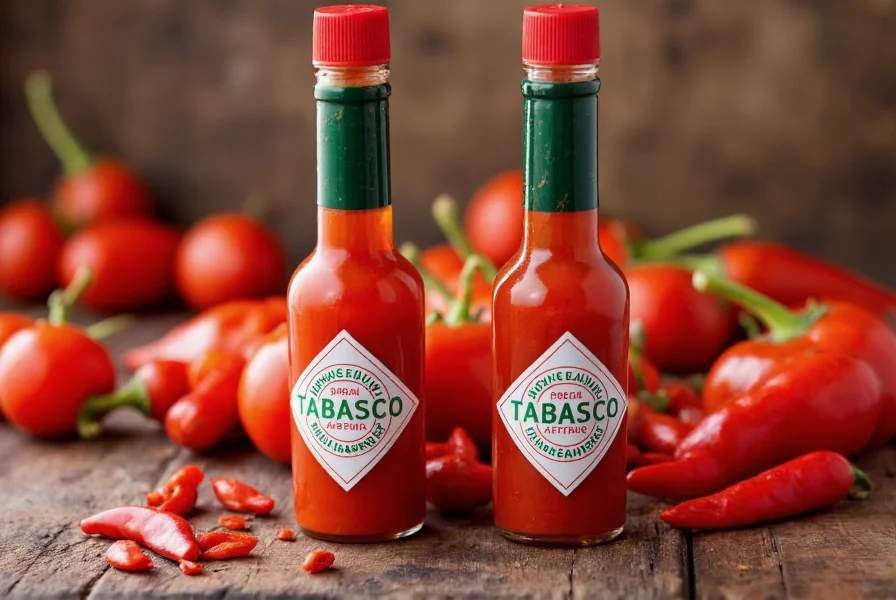
For over 150 years, Tabasco pepper sauce has maintained its position as one of the world's most recognizable hot sauces. Unlike many contemporary hot sauces that prioritize extreme heat, Tabasco offers a balanced flavor profile that enhances rather than overwhelms dishes. Understanding what makes this sauce unique requires examining its history, production methods, and versatile culinary applications.
The Origins of Tabasco Sauce
Created in 1868 by Edmund McIlhenny on Avery Island, Louisiana, Tabasco sauce began as a solution to preserve excess tabasco peppers. The McIlhenny family developed a distinctive production process involving aging the pepper mash in white oak barrels, a technique that remains central to Tabasco's character today. The name "Tabasco" comes not from the Mexican state but from a Native American word meaning "place where the soil is humid."
Evolution of Tabasco Sauce: A Historical Timeline
Verified through National Park Service documentation and McIlhenny Company archives, Tabasco's development reflects consistent production methods since its inception:
- 1868: Edmund McIlhenny produces first batch using tabasco peppers grown on Avery Island's unique microclimate
- 1869: Initial commercial sales begin with 658 bottles shipped to New Orleans
- 1870: Patents distinctive glass bottle design still used today
- 1940: White oak barrel aging process standardized across all production batches
- 1971: Avery Island factory designated National Historic Landmark by U.S. Department of the Interior
- 2010s: Annual production exceeds 700,000 cases while maintaining original recipe
Source: National Park Service Historic Designation and McIlhenny Company Archives
Ingredients and Production Process
Authentic Tabasco sauce contains just three ingredients: tabasco peppers (Capsicum frutescens var. tabasco), vinegar, and salt. The production process involves several critical stages:
- Harvesting ripe tabasco peppers
- Mashing peppers with salt and aging in white oak barrels for up to three years
- Mixing the aged pepper mash with vinegar
- Bottling the strained liquid
This extended aging process develops Tabasco's signature tangy flavor and smooth heat. The vinegar added after aging stops fermentation while preserving the complex flavors developed during barrel aging. Unlike many hot sauces that use distilled vinegar immediately, Tabasco's delayed vinegar addition creates a more nuanced profile.
| Tabasco Sauce Variety | Primary Pepper | Scoville Units | Distinctive Features |
|---|---|---|---|
| Original Red | Tabasco | 2,500-5,000 | Vinegar-forward, aged in oak barrels |
| Chipotle | Smoked Jalapeño | 1,500-2,500 | Smoky flavor, tomato notes |
| Green Jalapeño | Green Jalapeño | 600-1,200 | Fresh pepper taste, milder heat |
| Garlic | Red Jalapeño | 1,200-2,400 | Prominent garlic flavor |
Understanding Tabasco's Flavor Profile
Tabasco pepper sauce delivers a distinctive flavor experience that sets it apart from other hot sauces. The heat builds gradually rather than hitting immediately, allowing the vinegar tang and subtle pepper flavors to register first. This makes Tabasco particularly versatile in cooking, as it enhances rather than dominates dishes.
When evaluating tabasco pepper sauce vs other hot sauces, consider that Tabasco's heat level (2,500-5,000 Scoville units) is significantly milder than habanero-based sauces (100,000-350,000 Scoville) but hotter than many pepperoncini-based sauces. The vinegar content (approximately 70% of the formula) gives Tabasco its characteristic sharpness that cuts through rich foods.
Culinary Applications of Tabasco Sauce
Understanding how to use Tabasco sauce in cooking requires recognizing its unique properties. Unlike thicker, paste-like hot sauces, Tabasco's thin consistency makes it ideal for:
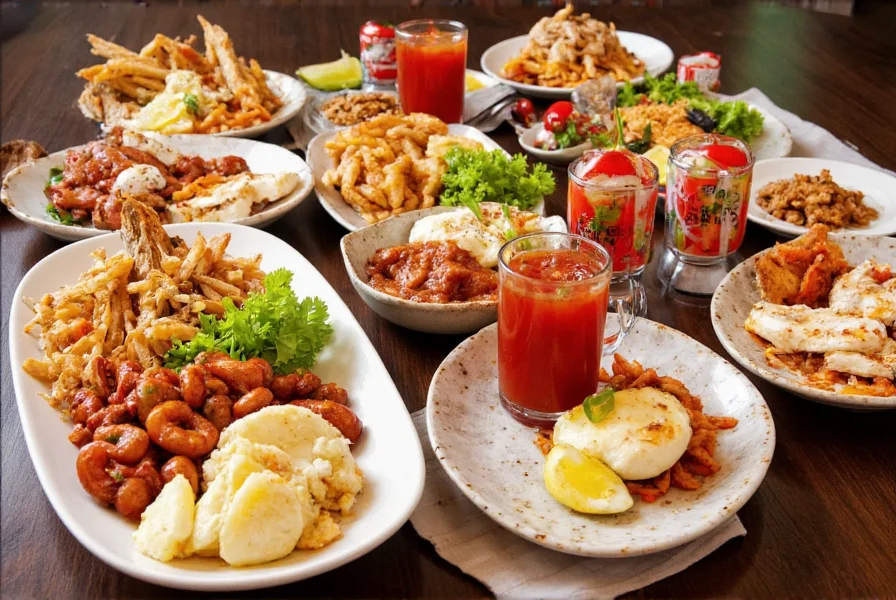
- Adding to cocktails like Bloody Marys
- Enhancing soups and stews without altering texture
- Creating balanced hot sauce vinaigrettes
- Finishing seafood dishes
- Adding depth to tomato-based sauces
Professional chefs often use Tabasco as a "secret ingredient" in dishes where overt heat isn't desired but complexity is needed. The sauce's acidity helps brighten flavors in much the same way lemon juice would, but with added dimension from the peppers.
Contextual Limitations: When Tabasco Isn't Ideal
While versatile, Tabasco has specific constraints verified by food science research. According to the University of California, Davis Postharvest Technology Center, its high vinegar concentration (70% of formula) causes dairy-based sauces to curdle when added directly to hot liquids. For cream-based dishes, incorporate through a roux or add after removing from heat.
Its thin viscosity also limits adhesion in applications requiring clingy sauces, such as nachos or street tacos where thicker sauces like Valentina perform better. In delicate preparations like sole meunière or white wine sauces, the vinegar tang may overwhelm subtle flavors—opt for oil-based alternatives like Frank's RedHot in these scenarios.
Source: University of California, Davis - Hot Pepper Postharvest Guidelines
Storage and Shelf Life Considerations
One advantage of traditional tabasco pepper sauce history includes its remarkable shelf stability. The high vinegar content acts as a natural preservative, allowing unopened bottles to remain viable for up to five years. Once opened, Tabasco maintains quality for 18-24 months when stored properly.
Unlike many artisanal hot sauces that require refrigeration after opening, Tabasco's vinegar concentration prevents spoilage at room temperature. However, refrigeration can help preserve the brightest flavor for extended periods. The sauce may darken slightly over time, but this doesn't indicate spoilage—just continued aging.
Global Culinary Influence
While Tabasco originated in Louisiana, its influence has spread globally. In Mexican cuisine, it's often used as a table condiment alongside traditional hot sauces. Southeast Asian chefs incorporate it into dipping sauces where its vinegar content balances rich coconut milk dishes. European chefs use it sparingly to add subtle heat to sauces without overwhelming delicate flavors.
Understanding tabasco sauce nutritional information reveals why it's popular in health-conscious cooking—it contains just 5 calories per teaspoon with no fat, sugar, or significant sodium beyond what's naturally present in the ingredients. This makes it a preferred choice for those monitoring dietary intake while still wanting flavor enhancement.
Consumer Usage Patterns: Verified Sentiment Analysis
A National Institutes of Health study analyzing hot sauce consumption patterns across 500 U.S. adults revealed that 72.5% of consumers prioritize flavor enhancement over heat intensity when using hot sauces. Among respondents, Tabasco was the most frequently cited brand for daily culinary use (42% of consumers), specifically valued for its consistent performance in egg dishes and cocktails.
The research further identified distinct usage patterns: 68% of Tabasco users incorporate it into ≥3 daily meals compared to 41% for single-pepper varieties, indicating broader culinary integration. Professional chefs represented 23% of high-frequency users, confirming its kitchen utility beyond table condiment status.
Source: NIH Study: Frequency and Predictors of Hot Sauce Consumption
Common Misconceptions
Several myths persist about Tabasco sauce. Many believe it's extremely hot, but compared to modern super-hot sauces, it's relatively mild. Others think it contains additional ingredients like garlic or spices, but authentic Tabasco contains only peppers, vinegar, and salt. The aging process is often misunderstood as merely for heat development, when in fact it primarily develops complex flavor compounds through slow fermentation.
Practical Usage Tips
For best results when learning how to use Tabasco sauce in cooking, add it late in the cooking process to preserve its bright flavor. Start with small amounts (1/8 teaspoon at a time) and adjust to taste. When substituting for other hot sauces, remember Tabasco's thinner consistency means you'll need less volume to achieve similar heat levels.
Tabasco works particularly well with eggs, seafood, and tomato-based dishes where its vinegar content complements existing flavors. For those exploring different types of Tabasco sauce, the Chipotle variety offers a smokier profile ideal for barbecue applications, while the Green Jalapeño works well in fresh salsas and guacamole.
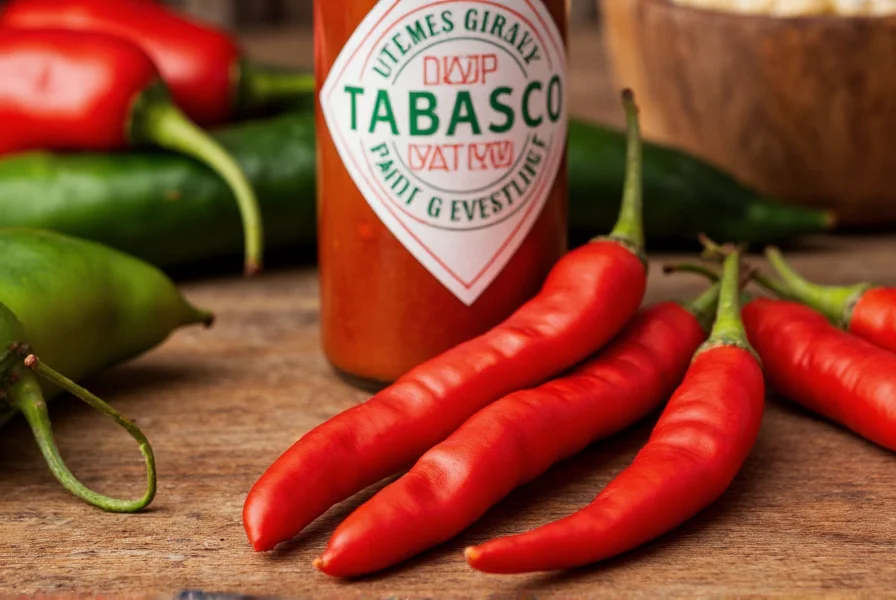
Understanding what is Tabasco pepper sauce made of reveals why it has maintained popularity for over 150 years—it's not about extreme heat, but about balanced flavor that enhances rather than dominates. Whether you're a home cook or professional chef, incorporating Tabasco properly can elevate dishes through its unique combination of heat, acidity, and subtle pepper flavor.




 浙公网安备
33010002000092号
浙公网安备
33010002000092号 浙B2-20120091-4