
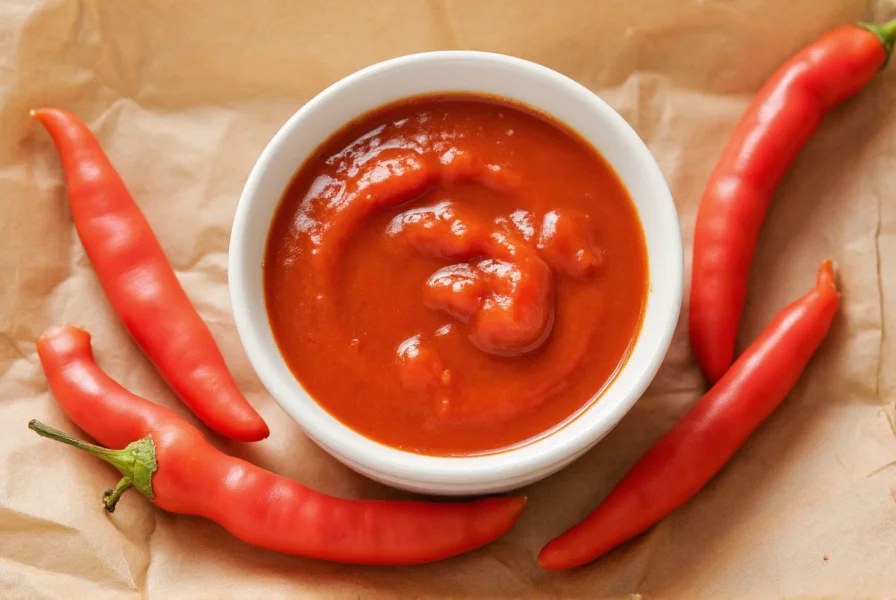
When your recipe calls for chili sauce but your pantry comes up empty, knowing reliable substitutes can save your cooking project. Whether you're accommodating dietary restrictions, adjusting heat levels, or simply lacking ingredients, understanding natural chili sauce alternatives ensures your dishes maintain authentic flavor profiles without compromising quality.
Understanding Chili Sauce Composition
Before exploring substitutes, recognize that traditional chili sauce typically contains chilies, vinegar, sugar, garlic, and spices. This combination creates its signature sweet-heat balance with tangy undertones. Effective alternatives must replicate at least two of these core flavor elements to work in most recipes.
Top 5 Practical Chili Sauce Substitutes
1. Sriracha Sauce
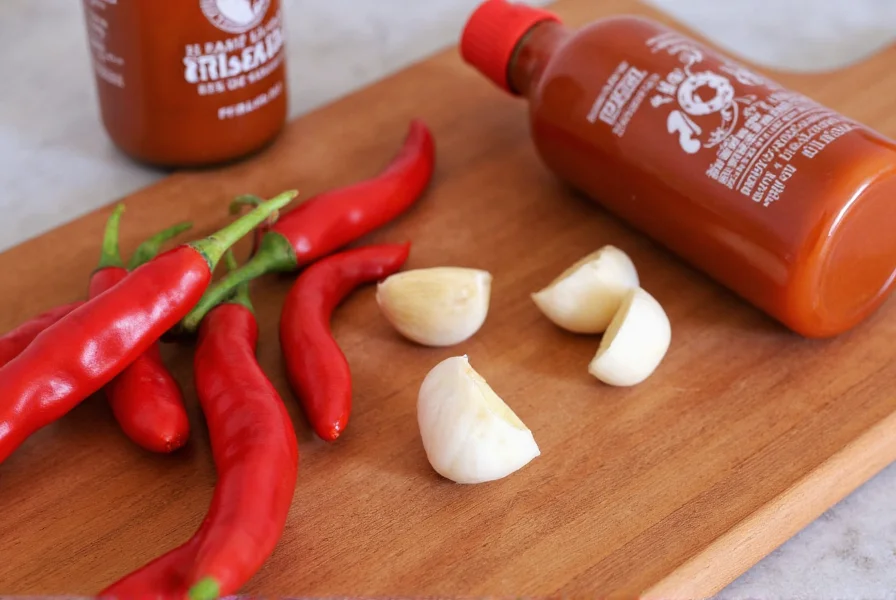
Sriracha makes an excellent chili garlic sauce replacement in cooking due to its similar garlic-forward profile and moderate heat. While slightly thinner in texture, it delivers comparable umami depth. Use a 1:1 ratio when substituting in stir-fries, marinades, or dipping sauces. For recipes requiring thicker consistency, reduce sriracha with a teaspoon of tomato paste.
2. Gochujang Paste
This Korean fermented chili paste works well as a gluten-free chili sauce substitute for Asian-inspired dishes. Its complex flavor includes sweetness from rice syrup and deep umami notes. Mix 1 tablespoon gochujang with 2 tablespoons water or broth to match chili sauce's liquid consistency. Ideal for bibimbap, stews, and glazes where you want richer, earthier notes.
3. Homemade Ketchup-Vinegar Blend
For the most accessible homemade chili sauce alternative without store-bought options, combine:
- 3 tablespoons ketchup
- 1 tablespoon rice vinegar or apple cider vinegar
- 1 teaspoon garlic powder
- 1/4 teaspoon cayenne pepper
- 1/2 teaspoon sugar (optional)
This mixture effectively mimics standard chili sauce's sweet-tangy profile. Adjust cayenne to control heat level, making it perfect for mild chili sauce alternative for sensitive palates.
4. Frank's RedHot or Similar Cayenne Sauce
When you need immediate heat with vinegar tang, cayenne-based hot sauces work well as spicy sauce alternatives to chili sauce. Add 1 teaspoon honey or maple syrup per 1/4 cup hot sauce to balance the sharp vinegar taste. This substitute shines in buffalo-style dishes and bean-based recipes.
5. Harissa Paste
North African harissa brings smoky depth as a chili sauce alternative for Mediterranean recipes. Its roasted pepper base differs from traditional chili sauce but offers comparable heat. Thin with lemon juice or broth to achieve pourable consistency. Excellent for roasted vegetables, grain bowls, and grilled meats.
| Alternative | Best For | Substitution Ratio | Heat Level |
|---|---|---|---|
| Sriracha | Asian stir-fries, dipping sauces | 1:1 | Moderate |
| Gochujang | Korean dishes, stews | 1:2 with liquid | Moderate-High |
| Ketchup-Vinegar Blend | General cooking, mild recipes | 1:1 | Low-Moderate |
| Cayenne Hot Sauce | Buffalo dishes, beans | 1:1 + sweetener | High |
| Harissa | Mediterranean recipes, roasting | 1:3 with liquid | Moderate-High |
Dietary-Specific Alternatives
For gluten-free chili sauce substitute options, verify labels on commercial products as some contain wheat-based thickeners. Most hot sauces and gochujang are naturally gluten-free, but cross-contamination can occur during manufacturing.
Vegan cooks should check for fish sauce or shrimp paste in some Asian chili sauces. The homemade ketchup-vinegar blend serves as a reliable vegan chili sauce alternative when using plant-based ketchup.
Creating Your Own Custom Blend
When commercial options aren't available, this best substitute for chili sauce in recipes takes minutes to prepare:
- Combine 1/4 cup tomato sauce
- Add 2 tablespoons vinegar (rice or apple cider)
- Mix in 1 minced garlic clove
- Stir 1/2 teaspoon red pepper flakes
- Sweeten with 1 teaspoon honey or sugar
- Simmer 5 minutes to meld flavors
This versatile base allows customization for specific dishes. Add smoked paprika for barbecue applications or tamarind paste for Thai-inspired recipes. The mixture keeps refrigerated for up to two weeks.
When Substitutes Won't Work
Some recipes absolutely require authentic chili sauce, particularly:
- Traditional Chinese sweet and sour dishes
- Certain regional Mexican sauces
- Specific brand-dependent recipes (like cocktail sauce variations)
In these cases, consider making a quick trip to the store rather than compromising the dish's integrity. For most everyday cooking applications, however, these chili sauce alternative options deliver satisfactory results.
Final Considerations
The ideal substitute depends on your specific culinary context. When selecting a chili sauce replacement, consider:
- The dominant flavor notes required (sweet, tangy, garlicky)
- Required consistency for the dish
- Heat tolerance of your audience
- Dietary restrictions involved
Always introduce substitutes gradually, tasting as you go. Most recipes tolerate chili sauce variations well, but delicate dishes may require more precise matching of flavor components.
What's the closest substitute for chili sauce in Chinese recipes?
For Chinese dishes, sriracha mixed with a small amount of hoisin sauce provides the closest flavor match. The combination delivers the necessary garlic notes and sweet-heat balance. Use a 2:1 ratio of sriracha to hoisin for most stir-fries and dipping sauces.
Can I use Tabasco as a chili sauce alternative?
Yes, but with modifications. Tabasco works as a spicy sauce alternative to chili sauce when you add sweetness and body. Mix 1 tablespoon Tabasco with 2 tablespoons ketchup and 1 teaspoon sugar. This creates a more balanced substitute suitable for most recipes requiring chili sauce.
How do I make a low-sodium chili sauce substitute?
Create a low-sodium version using fresh ingredients: blend 1/2 cup tomato paste with 1/4 cup water, 1 minced garlic clove, 1/2 teaspoon cayenne pepper, and 1 tablespoon lemon juice. This homemade alternative contains no added salt while maintaining authentic flavor complexity.
Which chili sauce alternative works best for dipping sauces?
For dipping applications, gochujang thinned with rice vinegar creates the ideal texture and flavor profile. The natural thickness of gochujang mimics commercial chili sauce's consistency while providing complex fermented notes that enhance appetizers and spring rolls.
Can I substitute chili sauce with salsa?
Salsa makes a poor direct substitute due to its chunky texture and different flavor profile. However, you can use smooth tomato salsa mixed with 1 teaspoon vinegar and 1/2 teaspoon cayenne pepper per 1/4 cup as a chili sauce alternative for mild recipes. This works best in cooked applications rather than raw preparations.




 浙公网安备
33010002000092号
浙公网安备
33010002000092号 浙B2-20120091-4