
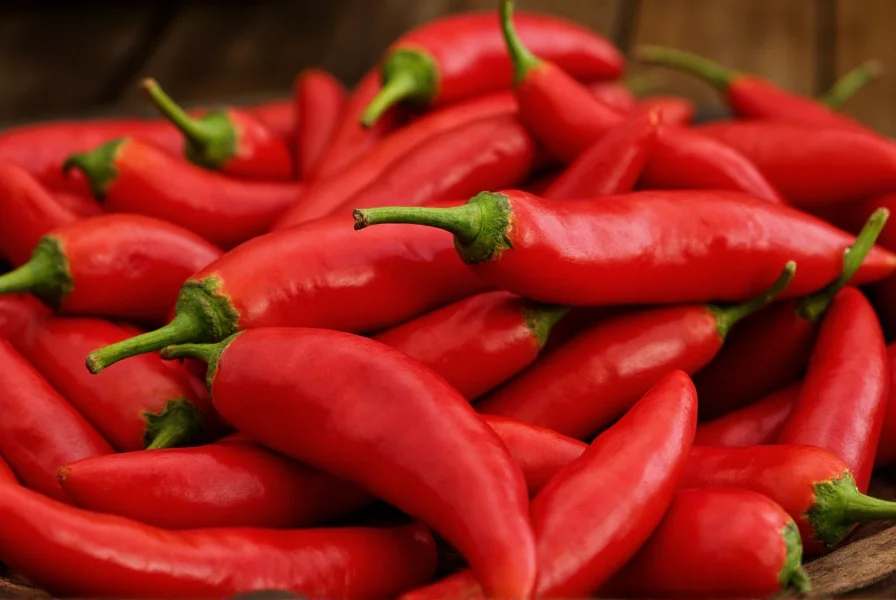
Chili rojo isn't a single specific pepper but rather a category encompassing numerous red chili varieties that transform from green to vibrant red as they mature. These peppers serve as fundamental ingredients across multiple culinary traditions, particularly in Mexican, Central American, and Caribbean cooking where they form the backbone of complex flavor profiles.
Understanding Different Chili Rojo Varieties
While "chili rojo" translates simply to "red chili," the term represents dozens of specific pepper varieties that share the characteristic red color when fully matured. The most commonly used chili rojo varieties in authentic cooking include:
| Pepper Variety | Heat Level (Scoville) | Flavor Profile | Common Culinary Uses |
|---|---|---|---|
| Guajillo | 2,500-5,000 | Berry-like, tea notes, mild tang | Mojo rojo, enchilada sauce, marinades |
| Ancho (dried poblano) | 1,000-2,000 | Fruity, raisin, mild chocolate | Mole sauces, tamales, stews |
| Árbol | 15,000-30,000 | Nutty, slightly smoky, sharp heat | Salsas, hot sauces, rice dishes |
| Chipotle (smoked jalapeño) | 2,500-8,000 | Smoky, earthy, medium heat | Barbecue sauces, braises, bean dishes |
Historical Evolution of Chili Rojo Applications
Archaeological evidence from the Tehuacán Valley in Mexico confirms chili pepper domestication began over 6,000 years ago, with Capsicum annuum varieties forming the foundation of Mesoamerican diets. Following the Columbian Exchange, dried red chilies became integral to colonial-era Mexican cuisine through culinary fusion, evolving from pre-Hispanic fresh preparations to the complex dried-chili sauces defining modern regional specialties. The standardization of specific varieties like guajillo and ancho accelerated in the 20th century as Mexican culinary identity gained global recognition, with traditional preparation methods preserved through generational knowledge transfer despite agricultural modernization.
This historical trajectory demonstrates how environmental adaptation and cultural exchange shaped chili rojo's culinary role. As documented by the USDA National Agricultural Library's agricultural history archives, the transition from indigenous fresh-chili usage to dried applications was driven by preservation needs in pre-refrigeration eras, creating the flavor concentration techniques still essential today.
Source: USDA National Agricultural Library: History of Peppers in the Americas
Flavor Profiles and Heat Characteristics
Understanding the flavor nuances of different chili rojo varieties elevates your cooking beyond simply adding heat. Each variety contributes unique flavor compounds that interact with other ingredients:
Guajillo peppers offer one of the most versatile flavor profiles among dried red chilies, with subtle berry notes and a mild tang that works beautifully in both traditional Mexican sauces and innovative fusion cuisine. Their moderate heat level makes them accessible for those developing their palate for spicy foods while still providing authentic flavor.
Ancho peppers, the dried form of poblano peppers, deliver a surprisingly sweet and complex flavor with hints of raisin and sometimes even mild chocolate notes. This makes them particularly valuable in mole sauces where their natural sweetness balances the bitterness of chocolate. When properly rehydrated, anchos create a smooth, almost velvety texture ideal for sauces.
For cooks seeking authentic Mexican chili rojo recipes, understanding these flavor differences proves essential. The right chili selection can make the difference between an authentic-tasting dish and something that merely resembles it.
Proper Preparation Techniques for Chili Rojo
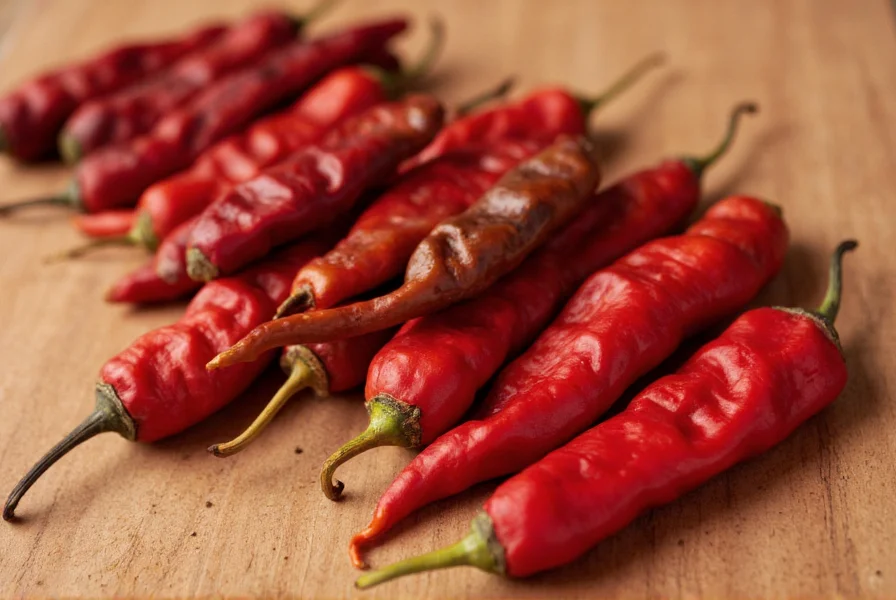
Using dried chili rojo properly requires specific preparation techniques that maximize flavor while minimizing bitterness:
- Stem and seed removal: Always remove stems and most seeds (keeping some for added heat) before rehydrating
- Dry toasting: Briefly toast whole dried peppers in a dry skillet over medium heat for 15-20 seconds per side until fragrant but not burnt
- Rehydration: Soak toasted peppers in hot water for 15-20 minutes until pliable (not boiling water, which creates bitterness)
- Blending: Blend rehydrated peppers with some of their soaking liquid to create a smooth puree
Avoid common mistakes like using boiling water for rehydration or over-toasting, which creates unpleasant bitter compounds. For authentic Mexican chili rojo applications, many traditional cooks add a small piece of tortilla while blending to help emulsify the sauce and add subtle corn flavor.
Contextual Usage: Scenarios and Limitations
While chili rojo varieties are versatile, their effectiveness depends on specific culinary contexts and inherent limitations:
- Guajillo: Optimal for slow-cooked sauces requiring fruitiness (e.g., mole rojo), but unsuitable for fresh salsas due to texture degradation when rehydrated. Cannot replicate the bright acidity of fresh red jalapeños.
- Ancho: Ideal for complex moles and stews where sweetness balances bitterness, but ineffective in dishes requiring fresh pepper texture (e.g., chiles rellenos). Its low heat makes it inappropriate for authentic Yucatecan habanero-based preparations.
- Árbol: Perfect for vinegar-based salsas where sharp heat penetrates quickly, but risks overwhelming delicate proteins like fish if seeds aren't meticulously removed. Performs poorly in long-simmered dishes where its volatile compounds dissipate.
Environmental factors critically impact usability: as confirmed by New Mexico State University's Chile Pepper Institute research, identical varieties exhibit 30-50% heat variation based on growing conditions. A guajillo from arid Chihuahua may register 5,000 Scoville units while the same variety from humid Oaxaca measures only 2,500. Always conduct small-batch tests when substituting regional varieties.
Source: New Mexico State University: Chile Pepper Institute Usage Guidelines
Nutritional Benefits and Safety Considerations
Chili rojo varieties contain capsaicin, the compound responsible for their heat, which offers several potential health benefits when consumed in moderation:
- Rich in vitamins A and C, particularly when fresh
- May support metabolism and cardiovascular health
- Contains antioxidants that combat oxidative stress
- Potential anti-inflammatory properties
When handling extremely hot varieties like árbol, wear gloves to prevent skin irritation. Never touch your face after handling hot peppers, and if experiencing discomfort, use dairy products (not water) to neutralize the capsaicin.
Substitutions and Storage Guidelines
When specific chili rojo varieties aren't available, proper substitutions maintain dish integrity:
Guajillo peppers can be substituted with a combination of ancho and New Mexico chilies to approximate both the flavor and moderate heat. For árbol peppers, cayenne makes an acceptable substitute though it lacks the nutty undertones. Understanding these chili rojo varieties and their characteristics prevents recipe failures when ingredients aren't available.
Store dried chili rojo in airtight containers away from light and heat. Properly stored, they maintain quality for 6-12 months. For extended storage, keep them in the freezer where they can last up to two years without significant flavor degradation. Always check for mold or off smells before using older dried peppers.
Common Mistakes to Avoid with Chili Rojo
Many home cooks make preventable errors when working with chili rojo that compromise flavor:
- Using stale or improperly stored dried peppers that have lost volatile flavor compounds
- Over-blending rehydrated peppers, which releases bitter compounds from the seeds and veins
- Adding dried spices directly to chili-based sauces instead of toasting and incorporating them properly
- Using water that's too hot during rehydration, creating bitterness
- Not adjusting recipes for regional variations in chili heat levels
For authentic Mexican chili rojo applications, remember that traditional preparation methods developed over centuries optimize flavor extraction while minimizing bitterness. Taking time with proper preparation yields dramatically better results than rushing the process.




 浙公网安备
33010002000092号
浙公网安备
33010002000092号 浙B2-20120091-4