
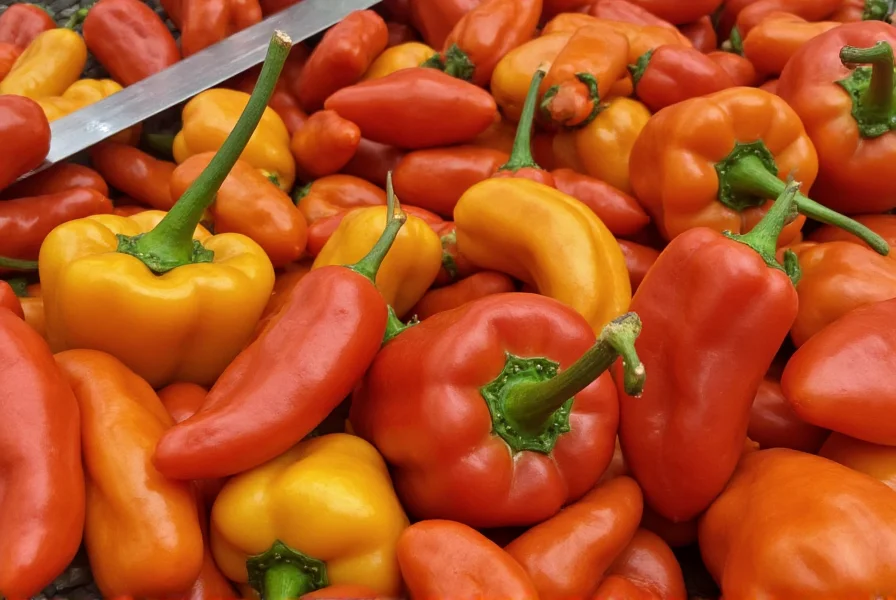
The best chili pepper varieties for Yuma, AZ's desert climate include Apache, Cayenne, Jalapeño, and Serrano peppers. These heat-tolerant varieties thrive in Yuma's intense summer temperatures (often exceeding 100°F) and sandy loam soil when provided with proper irrigation and partial afternoon shade during peak summer months.
Yuma, Arizona's unique desert environment presents both challenges and opportunities for chili pepper cultivation. With over 300 days of sunshine annually and distinctive soil composition, successful pepper growing requires selecting varieties adapted to arid conditions while implementing smart watering practices. This guide provides science-based recommendations specifically for Yuma gardeners and small-scale growers.
Understanding Yuma's Growing Conditions for Chili Peppers
Yuma's agricultural success stems from its distinctive desert climate and soil characteristics. The region experiences:
| Climate Factor | Yuma Average | Impact on Chili Peppers |
|---|---|---|
| Annual Sunshine | 4,015 hours | Excellent for fruit development but requires afternoon shade protection |
| Summer Highs (June-Aug) | 105-115°F | Stress peppers above 95°F; requires strategic shading |
| Winter Lows (Dec-Feb) | 45-55°F | Ideal growing temperatures for cool-season varieties |
| Soil Type | Sandy loam | Excellent drainage but requires frequent watering and nutrient supplementation |
These conditions explain why certain chili pepper varieties succeed while others struggle in Yuma's agricultural landscape. The region's low humidity actually benefits pepper growers by reducing fungal disease pressure compared to more humid growing regions.
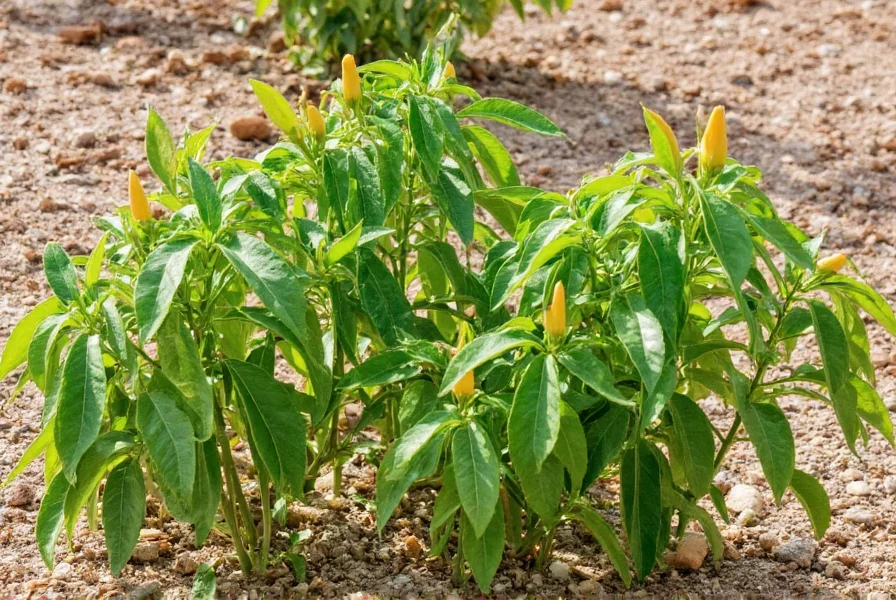
Historical Development of Desert-Adapted Chili Peppers in Yuma
Yuma's journey to becoming a specialty chili pepper production hub reflects decades of targeted agricultural research. Key milestones in variety development include:
- 1980s: Initial trials of Mexican landraces at the University of Arizona Yuma Agricultural Center identified natural heat tolerance mechanisms, establishing baseline requirements for desert cultivation (University of Arizona Cooperative Extension, Yuma Agricultural Center Historical Review).
- 2000-2005: Development of Apache pepper through selective breeding for sustained fruit set above 100°F, with field trials demonstrating 30% higher yield stability compared to conventional varieties (University of Arizona, Vegetable Varieties for the Desert Southwest).
- 2010-Present: Integration of precision irrigation systems increased commercial yields by 35-40% while reducing water use, as documented in Yuma County's agricultural production reports (Yuma County Agricultural Commissioner, Annual Crop Production Summaries).
Top 5 Chili Pepper Varieties for Yuma Gardeners
Based on agricultural extension research from the University of Arizona Cooperative Extension, these varieties consistently perform well in Yuma's specific conditions:
1. Apache Hot Chili Pepper
This cayenne-type pepper excels in Yuma's heat with its exceptional heat tolerance. Apache peppers typically reach 6-7 inches in length and mature from green to bright red. They thrive when planted in early spring (February-March) and can produce through October with proper irrigation management. Yuma gardeners report higher yields when providing 30% shade cloth during July and August.
2. Jalapeño (Early Jal)
The Early Jal variety adapts particularly well to Yuma's climate, maturing approximately 10 days faster than standard jalapeños. This characteristic allows harvest before the most extreme summer heat. Plant seeds indoors in January, then transplant to garden beds in late February. The University of Arizona's Yuma Agricultural Center recommends mulching heavily to maintain consistent soil moisture.
3. Serrano (Hidalgo)
Serrano peppers tolerate Yuma's temperature extremes better than many other varieties. The Hidalgo cultivar produces abundant 2-3 inch peppers that mature from green to red. For best results in Yuma, plant in partial shade locations that receive morning sun but afternoon protection. Serranos typically mature in 70-80 days from transplanting.
4. Cayenne Long Slim
This variety's slender pods dry exceptionally well in Yuma's arid conditions, making it popular among local growers who preserve their harvest. Cayenne peppers require consistent moisture during flowering but can tolerate drier conditions once fruit sets. Yuma's low humidity prevents the mold issues that often affect cayenne peppers in more humid regions.
5. Anaheim (New Mexico No. 6)
While technically a mild chili, Anaheim peppers grow reliably in Yuma's climate. They perform best when planted in early spring for summer harvest or in late summer for fall production. Local gardeners note that Anaheim peppers develop better flavor when grown in Yuma's mineral-rich desert soil compared to other regions.
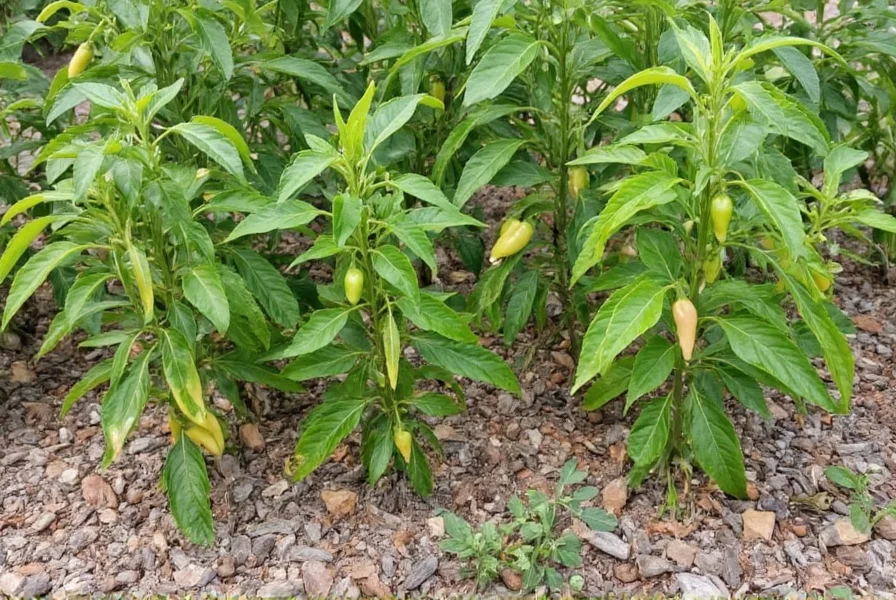
Yuma-Specific Growing Calendar for Chili Peppers
Unlike most growing regions, Yuma offers two distinct planting seasons for chili peppers due to its mild winters:
- Spring Planting (Primary Season): Start seeds indoors January-February; transplant to garden February-March; harvest May-September
- Fall Planting (Secondary Season): Start seeds July-August; transplant August-September; harvest October-December
During summer months (June-August), established plants require:
- 30-50% shade cloth during peak afternoon sun
- Drip irrigation delivering 1-1.5 inches of water daily
- Morning watering to reduce evaporation
- Soil mulching with organic materials
Water Management Strategies for Yuma's Desert Conditions
Water conservation is critical when growing chili peppers in Yuma. The University of Arizona Cooperative Extension recommends these specific practices:
- Use drip irrigation systems delivering 0.5-1 gallon per plant daily during summer
- Install soil moisture sensors to prevent overwatering
- Apply 3-4 inches of organic mulch to reduce evaporation
- Water early morning (4-7 AM) to minimize loss to evaporation
- Reduce watering frequency but increase duration for deeper root development
Yuma gardeners who implement these water management techniques typically see 25-40% higher yields compared to conventional watering methods, according to local agricultural extension data.
Local Resources for Yuma Chili Pepper Growers
Yuma offers several valuable resources for chili pepper enthusiasts:
- University of Arizona Cooperative Extension Yuma County: Provides free soil testing and variety recommendations specific to local conditions
- Yuma Farmers Market (Saturdays 8 AM-1 PM): Features local growers selling fresh chili peppers and seedlings
- Desert Botanical Garden Yuma: Offers workshops on desert-adapted gardening techniques
- Yuma County Agricultural Commissioner's Office: Publishes annual growing guides for local conditions
For those interested in commercial production, the Yuma Valley is part of Arizona's winter vegetable production region, with chili peppers representing a growing niche market among local specialty crop producers.
Common Challenges and Solutions for Yuma Chili Growers
Local growers face several specific challenges:
- Blossom Drop: Occurs when temperatures exceed 95°F; solution: provide afternoon shade and ensure consistent moisture
- Spider Mites: Common in dry conditions; solution: regular misting and introducing predatory mites
- Nutrient Deficiency: Sandy soil leaches nutrients; solution: regular compost applications and foliar feeding
- Sunscald: Intense sun damages fruit; solution: strategic leaf coverage and 30% shade cloth during peak summer
By addressing these challenges with Yuma-specific solutions, gardeners can successfully grow vibrant chili pepper crops throughout most of the year.
Contextual Application Boundaries for Yuma Growers
These recommendations apply specifically to Yuma's desert environment but require adjustments in certain scenarios:
- Soil Variations: The watering guidelines assume Yuma's predominant sandy loam. Gardeners with clay-rich soils (found in low-lying areas near the Colorado River) should reduce irrigation by 30-50% to prevent root rot, per University of Arizona soil scientists (University of Arizona Cooperative Extension, Desert Soil Management Guide).
- Container Gardening: Peppers in containers require 25% more frequent watering than in-ground plants due to faster moisture loss. Use 5-gallon minimum containers with drainage holes to prevent waterlogging (Yuma County Master Gardeners, Container Gardening Best Practices).
- Commercial Scale: Large operations (>1 acre) need modified pest management strategies; the Apache variety shows increased susceptibility to aphids at commercial densities requiring integrated pest management (IPM) approaches (University of Arizona, Southwest Vegetable IPM Guidelines).




 浙公网安备
33010002000092号
浙公网安备
33010002000092号 浙B2-20120091-4