
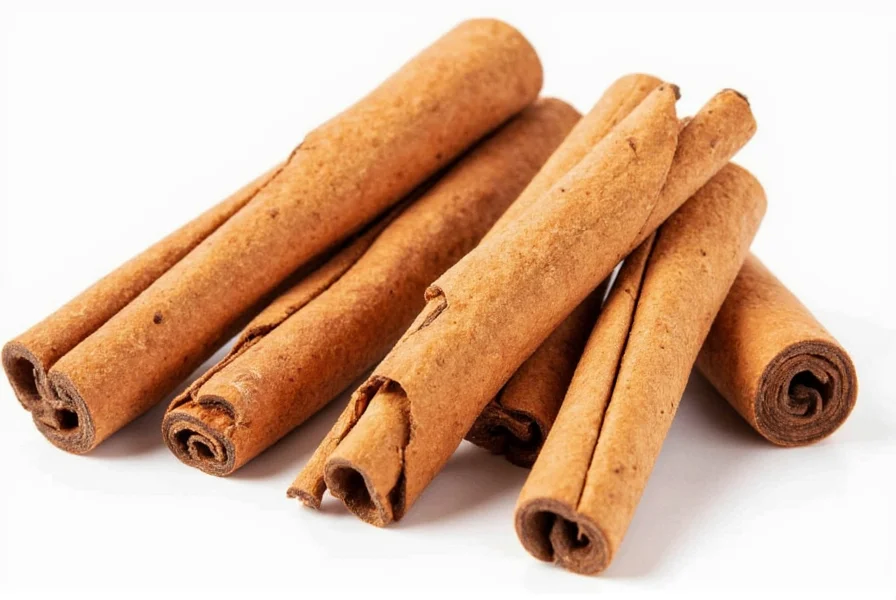
Acid reflux, also known as gastroesophageal reflux disease (GERD) when chronic, affects millions of people worldwide. Many search for natural remedies to complement medical treatments, leading to questions about common spices like cinnamon. Understanding whether is cinnamon good for acid reflux requires examining both traditional beliefs and scientific evidence.
Understanding Acid Reflux Triggers
Acid reflux occurs when stomach acid flows back into the esophagus, causing that familiar burning sensation. Certain foods and spices commonly trigger this condition by either relaxing the lower esophageal sphincter (LES) or irritating the esophageal lining. Common triggers include:
| Common Acid Reflux Triggers | Effect on Digestive System |
|---|---|
| Caffeine | Relaxes LES, increases acid production |
| Alcohol | Relaxes LES, irritates stomach lining |
| Spicy foods | Irritates esophageal lining |
| Fatty foods | Slows digestion, increases pressure on LES |
| Citrus fruits | High acidity irritates esophagus |
Cinnamon's Properties and Digestive Effects
Cinnamon contains compounds like cinnamaldehyde that give it distinctive flavor and potential health benefits. Some research suggests cinnamon may help with:
- Reducing inflammation in the digestive tract
- Supporting healthy blood sugar levels
- Exhibiting antimicrobial properties
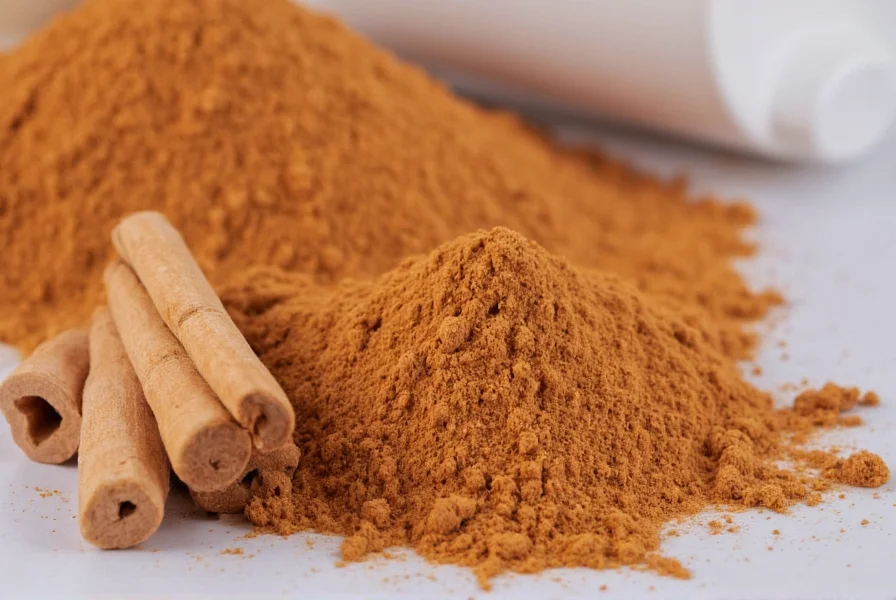
However, when examining does cinnamon help with acid reflux, the evidence becomes less clear. While cinnamon isn't as acidic as citrus fruits, its warming properties and potential to relax smooth muscle (including the LES) may actually worsen reflux symptoms for many people.
Scientific Evidence on Cinnamon and Acid Reflux
Current scientific literature offers limited direct evidence about cinnamon's effects on acid reflux specifically. Most studies focus on cinnamon's broader digestive properties:
- A 2015 review in Nutrition Research Reviews noted cinnamon's potential anti-inflammatory effects but didn't specifically address GERD
- Research in World Journal of Gastroenterology suggests certain spices may relax the LES, though cinnamon wasn't specifically studied
- Traditional medicine systems like Ayurveda sometimes recommend cinnamon for digestive issues, but these uses aren't specifically for acid reflux
When considering is cinnamon bad for acid reflux, gastroenterologists generally classify cinnamon as a potential trigger spice, similar to black pepper or chili powder, especially when consumed in larger quantities.
Potential Risks of Cinnamon for Acid Reflux Sufferers
For those managing GERD, cinnamon may pose several risks:
- Lower esophageal sphincter relaxation - May allow stomach acid to flow backward more easily
- Direct irritation - The warming sensation can irritate an already sensitive esophagus
- Delayed stomach emptying - In some individuals, may contribute to increased pressure
- Interaction with medications - May affect absorption of certain GERD medications
People with acid reflux and cinnamon sensitivity often report worsened symptoms after consuming cinnamon in coffee, baked goods, or supplements.
Safe Incorporation Strategies for Cinnamon Lovers
If you enjoy cinnamon but experience acid reflux, the following context-specific boundaries can help minimize risks. These recommendations are based on current clinical guidelines:
| Context Factor | Safe Boundary | Source |
|---|---|---|
| Amount per serving | Only minimal amounts that do not trigger symptoms (e.g., ≤ 1/8 tsp) | NIDDK (2023) |
| Type of cinnamon | Ceylon cinnamon preferred over Cassia due to milder properties | IFFGD (2023) |
| Timing relative to meals | Consume with food, never on empty stomach | ACG Guideline (2022) |
| Timing before bedtime | Avoid consumption within 3 hours of lying down | NIDDK (2023) |
Individual tolerance varies significantly - maintain a food diary to identify personal thresholds as recommended by the American College of Gastroenterology.
Alternative Natural Remedies for Acid Reflux Management
While evaluating is cinnamon good for heartburn, consider these better-supported alternatives:
- Ginger - Multiple studies show ginger may reduce reflux symptoms without relaxing the LES
- Slippery elm - Forms a protective coating for the esophagus
- Aloe vera juice - Soothes irritated tissue (use decolorized versions)
- Chamomile tea - Calms digestive tract inflammation
- Lifestyle modifications - Elevating head during sleep, avoiding late meals
When to Consult a Healthcare Professional
While natural remedies can complement treatment, persistent acid reflux requires medical evaluation. Consult a healthcare provider if:
- You experience heartburn more than twice weekly
- Symptoms interfere with daily activities
- You need over-the-counter medications regularly
- You experience difficulty swallowing or unexplained weight loss
Your doctor can help determine whether cinnamon benefits for acid reflux apply to your specific condition or if it's better avoided in your dietary management plan.
Conclusion
The question of whether cinnamon helps with acid reflux doesn't have a simple yes or no answer. While cinnamon offers various health benefits, its potential to trigger or worsen reflux symptoms makes it generally unsuitable as a treatment for GERD. Those exploring natural remedies for acid reflux besides cinnamon may find better results with alternatives like ginger or lifestyle modifications. Always prioritize evidence-based approaches and consult with a healthcare provider before making significant dietary changes for medical conditions.




 浙公网安备
33010002000092号
浙公网安备
33010002000092号 浙B2-20120091-4