
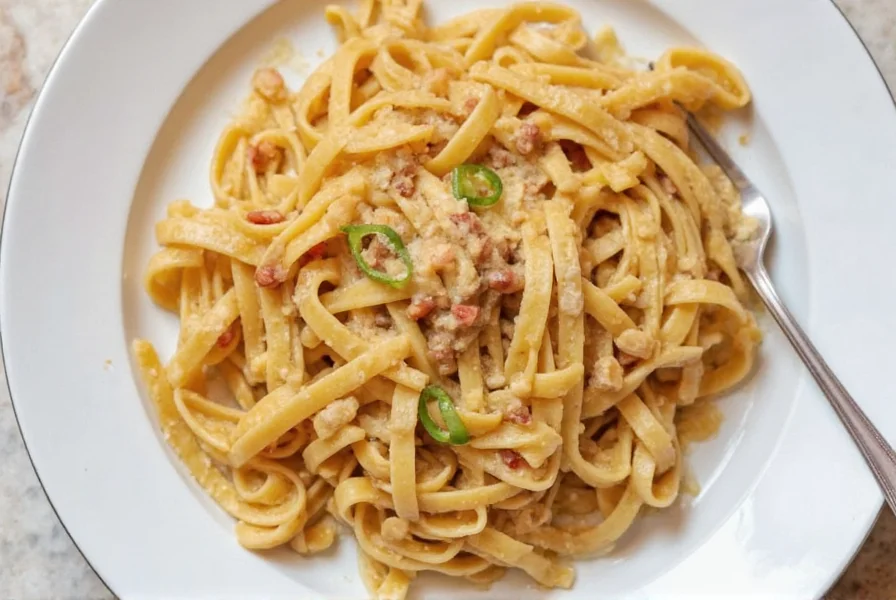
Transform your classic fettuccine alfredo with the vibrant kick of chili crisp. This fusion dish has gained popularity for its perfect balance of rich creaminess and spicy umami depth. Unlike traditional alfredo, this version incorporates chili crisp's signature crunch and complex heat without overwhelming the delicate pasta flavors.
Why This Fusion Works
Chili crisp's magic lies in its layered flavor profile—garlic, shallots, and spices suspended in chili oil with crunchy bits. When folded into alfredo sauce, it creates a sophisticated contrast: the creamy base tempers the heat while the chili crisp adds textural interest that plain red pepper flakes can't match. Professional chefs note that the fermented elements in quality chili crisp enhance the dish's overall umami, making it more complex than standard spicy pasta.
Essential Ingredients Guide
The quality of your chili crisp dramatically affects the final dish. Artisanal varieties with visible garlic and shallot pieces work best for fettuccine alfredo fusion. Avoid overly oily versions that might separate from the sauce.
| Ingredient | Recommended Type | Why It Matters |
|---|---|---|
| Chili Crisp | Lao Gan Ma or homemade | Provides balanced heat and crunchy texture without excessive oil |
| Pasta | Fresh fettuccine | Holds sauce better than dried varieties for creamier results |
| Cheese | Real Parmigiano-Reggiano | Superior melting quality and nutty flavor that complements chili crisp |
Step-by-Step Recipe
This easy chili crisp fettuccine alfredo recipe serves two and takes 20 minutes from start to finish. The key is adding the chili crisp at the right moment to preserve its complex flavors.
Ingredients
- 8 oz fresh fettuccine
- 3 tbsp unsalted butter
- 1 cup heavy cream
- 1 cup freshly grated Parmigiano-Reggiano
- 1-2 tbsp chili crisp (adjust to heat preference)
- Salt and white pepper to taste
- Fresh parsley for garnish
Instructions
- Cook pasta in salted boiling water until al dente, reserving ½ cup pasta water before draining
- Melt butter in large skillet over medium heat, then add cream and simmer for 3 minutes
- Reduce heat to low, gradually whisk in cheese until smooth
- Add drained pasta to sauce, tossing gently with tongs
- Stir in chili crisp just before serving—this preserves its crunch and volatile aromatics
- Add reserved pasta water as needed to achieve silky consistency
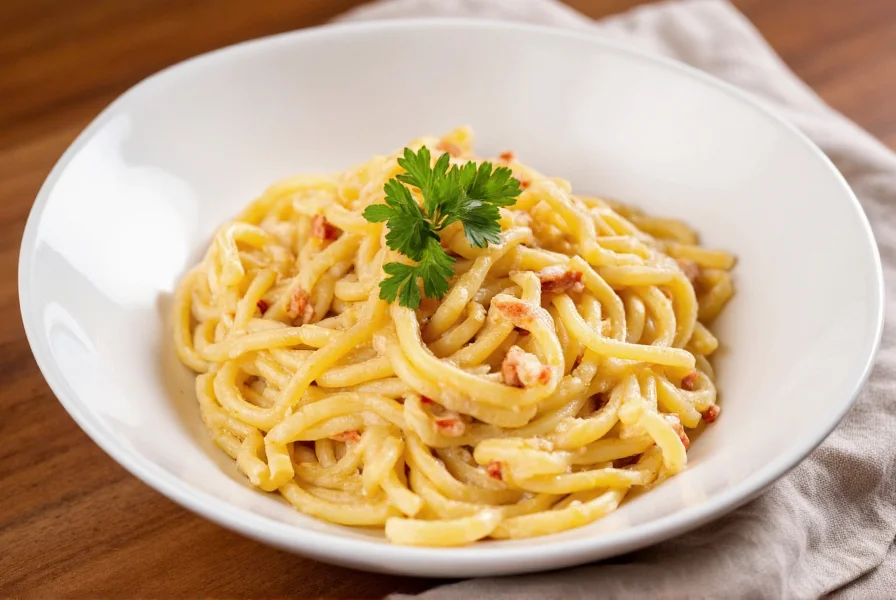
- Garnish with parsley and extra chili crisp for presentation
Pro Cooking Tips for Perfect Results
Mastering this spicy fettuccine alfredo with chili crisp requires attention to timing and temperature. Many home cooks make the critical error of adding chili crisp too early, which destroys its delicate flavor compounds through prolonged cooking.
Temperature control proves essential—keep the sauce below 160°F (71°C) when incorporating the chili crisp. Higher temperatures cause the garlic and shallots in the condiment to become bitter. For the best chili crisp alfredo pasta experience, remove the skillet from heat completely before adding your chili crisp.
Consider these adjustments based on your chili crisp for fettuccine alfredo experience:
- For milder heat: Stir only the chili oil from the jar, leaving the crunchy bits behind
- For extra richness: Add 1 tablespoon mascarpone to the sauce base
- For texture contrast: Top with reserved chili crisp bits just before serving
Common Mistakes to Avoid
Even experienced cooks encounter pitfalls with this fusion dish. The most frequent error involves overheating the chili crisp, which destroys its nuanced flavors. Another common issue is using pre-grated cheese, which contains anti-caking agents that prevent proper sauce emulsification.
Don't drown your pasta in sauce—alfredo should coat the noodles, not pool at the bottom of the plate. The ideal consistency resembles heavy cream. If your sauce becomes too thick, use reserved pasta water, not additional cream, to adjust consistency.
Variations Worth Trying
Once you've mastered the basic chili crisp fettuccine alfredo, experiment with these chef-approved variations:
- Seafood fusion: Add seared scallops and a squeeze of lemon
- Vegetable boost: Incorporate roasted broccoli florets for texture contrast
- Protein upgrade: Top with crispy pancetta for additional savory notes
- Truffle enhancement: Add ½ teaspoon truffle oil to the finished dish
Storage and Reheating Guidelines
While best enjoyed fresh, leftovers can be stored properly. Transfer cooled pasta to an airtight container with a thin layer of sauce on top to prevent drying. Refrigerate for up to 2 days.
For reheating chili crisp fettuccine alfredo leftovers, use the double-boiler method:
- Place pasta in heatproof bowl
- Set over simmering water
- Add 1-2 teaspoons cream or milk
- Cover and steam gently for 3-4 minutes
- Stir in fresh chili crisp after reheating
Microwaving often results in rubbery texture and separated sauce. If you must use a microwave, heat at 30% power in 30-second intervals, stirring between each.
Frequently Asked Questions
Can I use dried fettuccine instead of fresh for chili crisp alfredo?
Yes, but adjust cooking time accordingly. Dried fettuccine requires about 10-12 minutes in boiling water. Reserve extra pasta water (¾ cup) as dried pasta absorbs more liquid. The texture will be slightly less creamy than with fresh pasta, but still delicious with proper sauce adjustment.
How much chili crisp should I add to fettuccine alfredo for balanced flavor?
Start with 1 tablespoon per serving for mild heat, increasing to 2 tablespoons for pronounced spice. The optimal amount depends on your chili crisp's heat level and personal preference. Always add it off-heat to preserve texture and complex flavors. Taste and adjust before serving.
Why does my chili crisp fettuccine alfredo sauce become grainy?
Graininess typically occurs from overheating the cheese or using pre-grated varieties with anti-caking agents. To prevent this, remove the sauce from heat before adding cheese, use freshly grated Parmigiano-Reggiano, and maintain low temperatures. If sauce does grain, blend briefly with an immersion blender while warm.
Can I make chili crisp fettuccine alfredo dairy-free?
Yes, substitute cashew cream for heavy cream and nutritional yeast for cheese. Soak 1 cup raw cashews for 4 hours, then blend with ¾ cup water until smooth. Add 3 tablespoons nutritional yeast and ½ teaspoon garlic powder to mimic cheesy flavor. Add chili crisp following standard instructions.
What wine pairs well with spicy fettuccine alfredo?
Choose wines with moderate acidity and slight sweetness to balance the heat. An off-dry Riesling or Gewürztraminer works perfectly. For red options, select lighter-bodied wines like Pinot Noir. Avoid high-tannin wines which can amplify the chili crisp's heat sensation.




 浙公网安备
33010002000092号
浙公网安备
33010002000092号 浙B2-20120091-4