
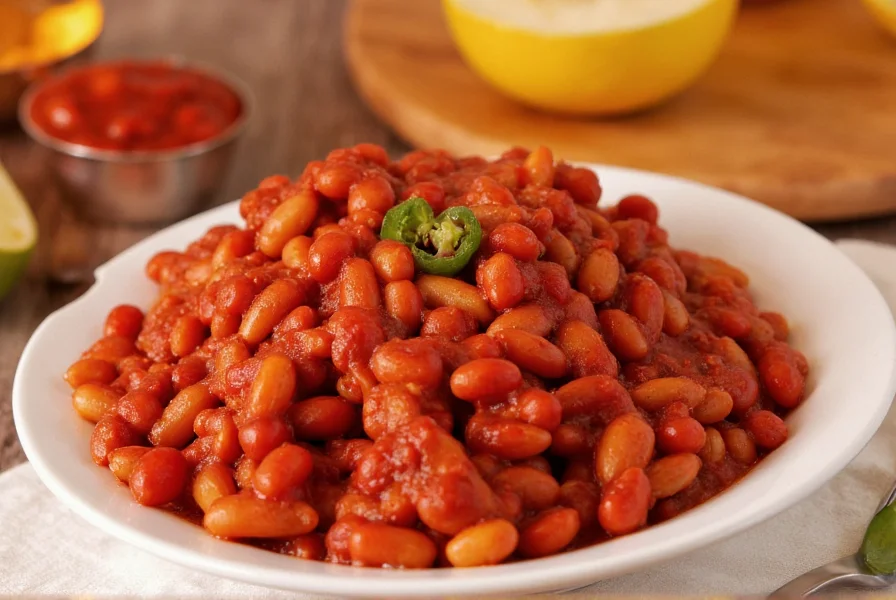
Understanding canned chili beans helps home cooks make informed decisions about this pantry staple. Unlike plain canned beans, chili beans come pre-seasoned with a signature blend of spices and often include diced tomatoes in their liquid medium. This ready-to-use product saves significant preparation time compared to cooking dried beans from scratch with spices.
What Exactly Are Canned Chili Beans?
Canned chili beans primarily consist of pinto beans cooked in a flavorful liquid containing tomato puree, chili powder, cumin, garlic, onion, and sometimes jalapeños for heat. Manufacturers typically use a pressure-cooking process that infuses the beans with flavor while maintaining their texture. The sodium content varies between brands, with standard versions containing 400-600mg per serving, though low-sodium options are widely available.
| Component | Typical Amount per 1 Cup Serving | Notes |
|---|---|---|
| Calories | 120-150 | Varies by brand and recipe |
| Protein | 7-9g | Complete plant-based protein source |
| Fiber | 7-8g | Approximately 25-30% of daily value |
| Sodium | 400-600mg | Low-sodium versions contain 140mg or less |
| Iron | 15-20% DV | Important for blood health |
The Evolution of Canned Chili Beans: From Street Food to Pantry Staple
Canned chili beans evolved from humble regional origins into a national convenience food through distinct historical phases. The foundation was laid in the 1880s when Mexican-American "chili queens" sold improvised chili con carne from street carts in San Antonio, using readily available ingredients like beans, meat, and dried chilies. Commercial canning emerged decades later when Lyman Davis began packaging his recipe in coffee cans in 1918, eventually transitioning to standardized #10 cans by 1921. The true breakthrough came during World War II when military demand for shelf-stable protein accelerated production techniques, making canned chili economically viable for civilian markets. By the 1950s, mass production and supermarket expansion transformed it from a regional specialty into a nationwide pantry essential, with beans becoming a standard ingredient to increase meal volume during post-war food rationing.
| Era | Key Development | Verifiable Source |
|---|---|---|
| 1880s | Chili queens sell bean-based street food in San Antonio | Texas State Historical Association |
| 1918-1921 | Wolf Brand's transition from coffee cans to commercial #10 cans | Wolf Brand Official Archives |
| 1940s | WWII military contracts standardize production and drive innovation | National Park Service: WWII Food History |
| 1950s | Supermarket boom establishes canned chili beans as household staple | Library of Congress: Post-War America |
Nutritional Benefits of Canned Chili Beans
These seasoned beans deliver substantial nutritional advantages for minimal preparation effort. The combination of beans and tomatoes creates a food with complementary nutrients - beans provide protein and fiber while tomatoes contribute vitamin C and lycopene. Critically, the vitamin C in tomatoes enhances absorption of non-heme iron from beans by up to 300%, as documented by the NIH Office of Dietary Supplements. When selecting canned chili beans for health benefits, look for options with minimal added sugar and preservatives. Many brands now offer organic varieties with simpler ingredient lists.
For those following plant-based diets, canned chili beans serve as an excellent protein source that requires no additional cooking. The fiber content supports digestive health and helps maintain stable blood sugar levels. The spices commonly used in chili bean recipes, particularly cumin and chili powder, contain antioxidants that may provide additional health benefits.
How Canned Chili Beans Differ From Regular Beans
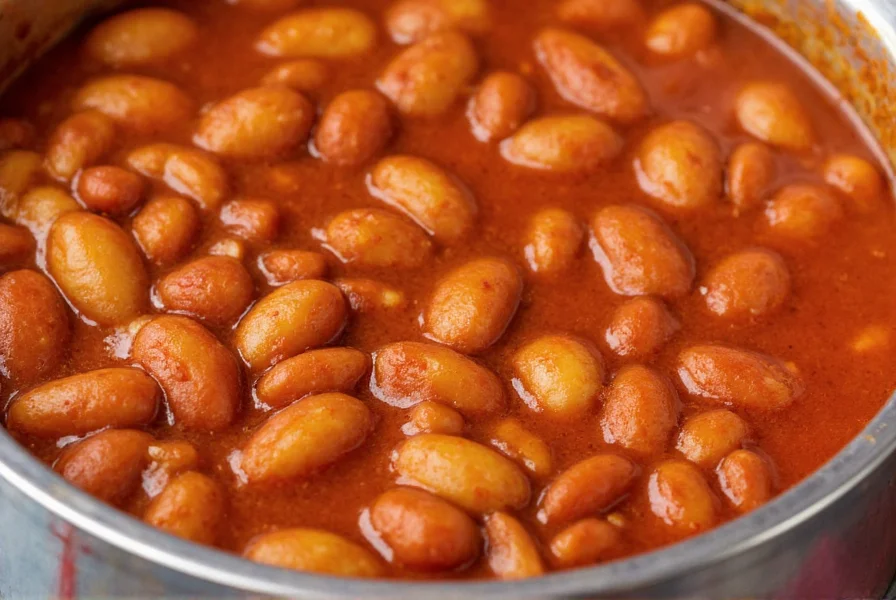
While regular canned beans contain only beans and water (sometimes with salt or calcium chloride), chili beans feature a complete seasoned sauce. This fundamental difference affects both culinary applications and nutritional profiles. Regular beans require additional preparation time to achieve similar flavor complexity, typically needing 15-20 minutes of simmering with spices and tomatoes.
From a cooking perspective, the pre-seasoned nature of chili beans makes them ideal for quick weeknight meals. They work particularly well as a base for:
- Quick chili recipes (just add meat or plant-based protein)
- Hearty bean salads
- Stuffed peppers or burritos
- Flavorful side dishes
- Soup thickener
Selecting Quality Canned Chili Beans
When choosing the best canned chili beans, examine the ingredient list for simplicity and quality. Top options typically contain:
- Pinto beans
- Tomatoes (diced or puree)
- Onion and garlic
- Chili powder
- Cumin
- Salt
- Spices (like paprika or oregano)
Avoid products with excessive:
- Added sugars
- Artificial preservatives
- Unfamiliar chemical ingredients
- Excessive sodium (unless you need that for dietary reasons)
Organic and low-sodium varieties have become increasingly available at most grocery stores. For those concerned about BPA, look for brands specifically labeled "BPA-free lining" as the interior of some cans may contain this chemical.
Contextual Boundaries: When Canned Chili Beans Excel (and When They Don't)
Understanding the specific scenarios where canned chili beans perform optimally prevents culinary disappointment. They shine in time-sensitive applications like weeknight dinners or large-batch cooking where consistent flavor is paramount. However, they present limitations in contexts requiring precise sodium control (even rinsed beans retain 60% of original sodium according to USDA studies), authentic regional preparations (Texas chili purists reject beans entirely per Texas State Historical Association guidelines), and texture-sensitive dishes where al dente beans are essential. For low-FODMAP diets, the onion and garlic content makes standard versions unsuitable despite bean benefits, though Monash University-certified alternatives are emerging. Always consider these boundaries against your specific dietary needs and recipe requirements.
| Usage Scenario | Recommended? | Key Limitation | Authoritative Reference |
|---|---|---|---|
| Quick weeknight chili | Yes | None | N/A |
| Low-sodium diets | Limited | Rinsing removes only 40% sodium (USDA) | USDA Economic Research Report No. 92 |
| Authentic Texas chili | No | Traditional recipe prohibits beans | Texas State Historical Association |
| Low-FODMAP diets | No (standard) | Onion/garlic trigger symptoms | Monash University FODMAP Guidelines |
Creative Ways to Use Canned Chili Beans
Beyond traditional chili recipes, canned chili beans offer versatility in the kitchen. Try these preparation methods to maximize flavor and texture:
For enhanced flavor: Drain and rinse beans to reduce sodium, then sauté with fresh onions and garlic before incorporating into recipes. This simple step elevates the flavor profile significantly.
As a protein-rich side: Heat beans gently with a splash of water or broth, then top with fresh cilantro and a squeeze of lime juice for a flavorful accompaniment to grilled meats or fish.
In baked dishes: Use as a layer in enchiladas or casseroles, where the beans' sauce helps keep the dish moist during baking.
Storage Guidelines for Canned Chili Beans
Unopened cans maintain quality for 2-5 years when stored in a cool, dry place away from direct sunlight. Once opened, transfer unused portions to an airtight container and refrigerate for up to 5 days. For longer storage, freeze portions in freezer-safe containers for up to 6 months.
When checking canned goods for safety, avoid any cans showing signs of bulging, leakage, or severe dents. While minor dents are generally safe, compromised cans could indicate potential spoilage. Always inspect the contents for unusual odors or mold before consuming.




 浙公网安备
33010002000092号
浙公网安备
33010002000092号 浙B2-20120091-4