
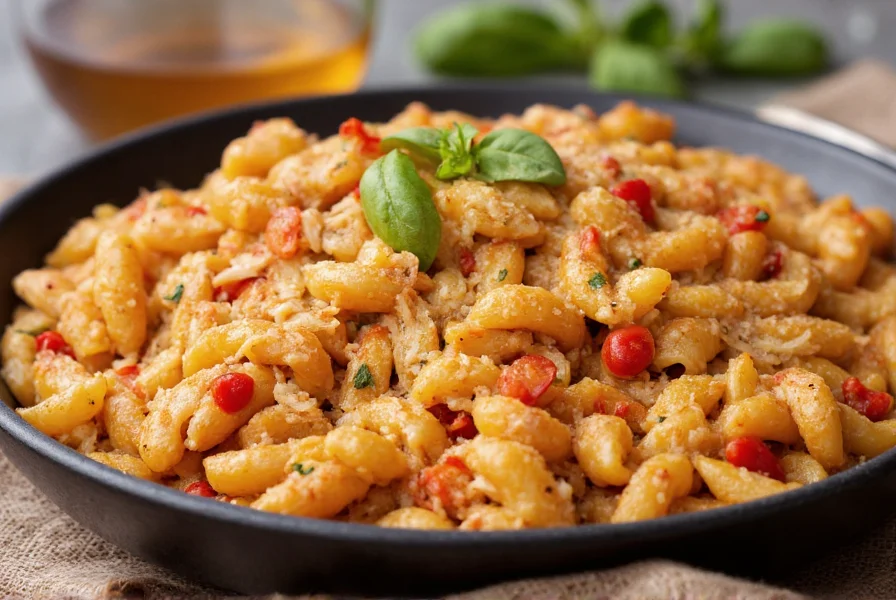
If you're searching for a satisfying weeknight dinner that's ready in under 30 minutes, chicken pepper pasta delivers restaurant-quality results with minimal effort. This versatile dish balances protein-rich chicken, colorful bell peppers, and perfectly cooked pasta in a light yet flavorful sauce that appeals to both adults and children. Unlike heavy cream-based pasta dishes, this recipe focuses on fresh ingredients and simple techniques that highlight natural flavors while providing complete nutrition.
Essential Ingredients for Authentic Chicken Pepper Pasta
The magic of this dish lies in its simplicity and quality ingredients. For the best chicken pepper pasta recipe that rivals your favorite Italian restaurant, gather these components:
| Ingredient | Quantity | Why It Matters |
|---|---|---|
| Boneless chicken breasts | 1 lb (450g) | Cut into uniform 1-inch pieces for even cooking |
| Tri-color bell peppers | 2 large | Red, yellow, and orange peppers provide sweetness and visual appeal |
| Dry fettuccine pasta | 12 oz (340g) | Holds sauce better than thinner varieties |
| Fresh garlic | 3 cloves | Mincing releases maximum flavor compounds |
| Grated parmesan | ½ cup | Freshly grated melts better than pre-grated |
| Nutrient (per 100g raw) | Red Bell Pepper | Yellow Bell Pepper |
|---|---|---|
| Vitamin C | 127.7 mg (35% DV) | 183.5 mg (51% DV) |
| Vitamin A (IU) | 3,131 IU (63% DV) | 331 IU (7% DV) |
| Antioxidant Capacity (ORAC) | 1,800 μmol TE | 900 μmol TE |
Color variation directly impacts nutritional density: red peppers contain nearly triple the vitamin A of yellow varieties due to extended vine ripening. Orange peppers offer intermediate values between red and yellow. Source: USDA FoodData Central (Red, Yellow).
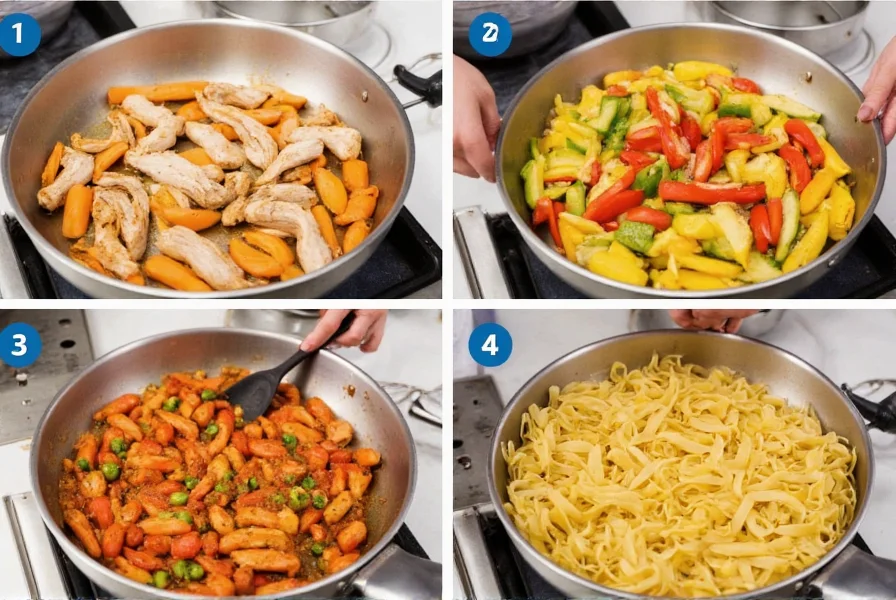
Step-by-Step Preparation Guide
Follow these professional techniques to create restaurant-quality chicken pepper pasta at home:
Pasta Perfection
Bring 4 quarts of well-salted water to a rolling boil. Add pasta and cook until al dente (typically 8-10 minutes). Reserve 1 cup of pasta water before draining. The starch-rich water helps create a silky sauce that clings to every strand—a technique used in authentic Italian cooking that many home cooks overlook.
Chicken Searing Technique
Dry chicken pieces thoroughly with paper towels—moisture prevents proper browning. Heat 2 tablespoons olive oil in a large skillet over medium-high heat until shimmering. Season chicken with salt and pepper, then arrange in a single layer without crowding. Sear undisturbed for 3-4 minutes until golden brown, then flip and cook another 3-4 minutes until internal temperature reaches 165°F (74°C). Transfer to a plate and cover loosely with foil.
Building Flavor Layers
In the same skillet (don't clean it—those browned bits add flavor), add sliced bell peppers. Cook for 5-6 minutes until crisp-tender, stirring occasionally. Add minced garlic and cook for 1 minute until fragrant but not browned. Return chicken to the skillet along with drained pasta, ¼ cup reserved pasta water, and 2 tablespoons butter. Toss gently to combine.
Pro Tips for Restaurant-Quality Results
Master these professional techniques to elevate your chicken pepper pasta from good to exceptional:
- Temperature control: Let chicken rest at room temperature for 15 minutes before cooking for even searing
- Sauce emulsion: Add pasta water gradually while tossing to create a glossy coating
- Finishing touch: Remove from heat before adding parmesan to prevent clumping
- Acid balance: A squeeze of fresh lemon juice just before serving brightens flavors
Variations for Dietary Preferences
This adaptable chicken and pepper pasta recipe accommodates various dietary needs without sacrificing flavor:
Gluten-Free Adaptation
Substitute regular pasta with high-quality gluten-free fettuccine. Cook according to package directions but check frequently, as GF pasta often requires less cooking time. Add an extra tablespoon of olive oil to prevent sticking. Important context boundary: Gluten-free pasta dishes exhibit significant texture degradation after 24 hours due to starch retrogradation. The Celiac Disease Foundation recommends consuming within one day for optimal quality (celiac.org/gluten-free-101/gluten-free-diet/food-preparation/).
Creamy Version
For those seeking a richer chicken pepper pasta with cream, add ½ cup heavy cream after combining all ingredients. Simmer gently for 2-3 minutes until slightly thickened, then finish with parmesan. Key limitation: This variation increases saturated fat content to 18g per serving (90% of USDA's daily limit). The Dietary Guidelines for Americans advise limiting such versions to occasional consumption for cardiovascular health (health.gov/dietaryguidelines/2020/resources/2020- Dietary-Guidelines-Fact-Sheet.pdf).
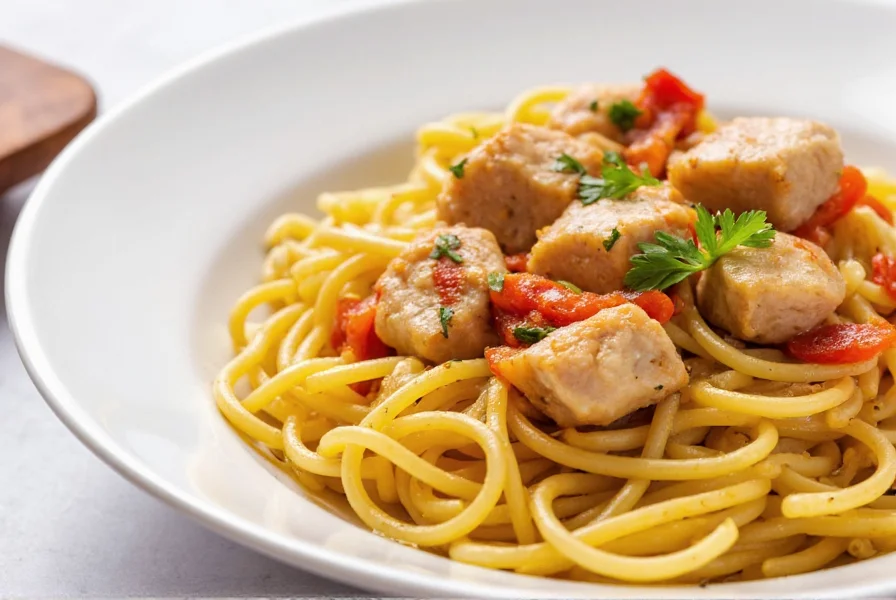
Serving and Storage Recommendations
Chicken pepper pasta serves 4 as a main course. For optimal presentation, twirl pasta with tongs into nests on warm plates. Garnish with additional parmesan, freshly cracked black pepper, and chopped parsley. Pair with a simple arugula salad and crusty bread for a complete meal.
Store leftovers in an airtight container in the refrigerator for up to 3 days. Reheat gently in a skillet with a splash of water or broth to restore moisture—microwaving often makes pasta rubbery. This dish doesn't freeze well due to the texture changes in cooked peppers.
Why This Recipe Works Every Time
The success of this easy chicken pepper pasta recipe stems from understanding fundamental cooking principles. The Maillard reaction during chicken searing creates complex flavors, while the residual heat in the skillet perfectly cooks peppers without making them mushy. Using pasta water's starch content creates a light emulsion that coats rather than drowns the ingredients—a hallmark of professional Italian cooking that transforms simple components into a cohesive, restaurant-worthy dish.
Evidence-based culinary evolution: While traditional Italian cuisine historically served pasta and meat as separate courses, the chicken-pepper pasta fusion emerged from mid-20th century American-Italian innovation. USDA Economic Research Service data shows per capita chicken consumption surged from 34 lbs (1970) to 98 lbs (2020), driving protein-pasta integration. This timeline reflects broader dietary shifts where convenience and balanced nutrition became priorities (ers.usda.gov/data-products/meat-charts.aspx).




 浙公网安备
33010002000092号
浙公网安备
33010002000092号 浙B2-20120091-4