
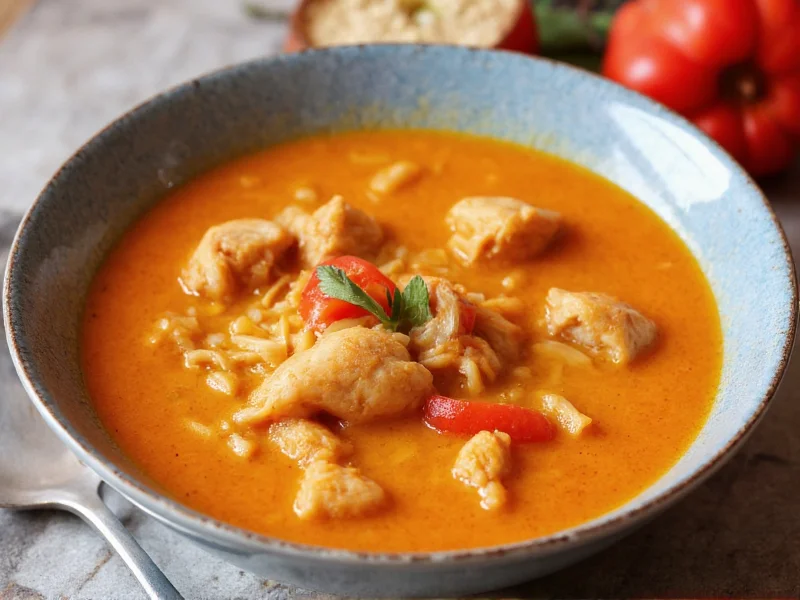
Chicken paprikash soup transforms the classic Hungarian paprikash—a creamy stew typically served over dumplings—into a nourishing, broth-based meal perfect for cold days. This adaptation preserves the dish's essential character: a vibrant red broth colored and flavored primarily by high-quality sweet Hungarian paprika, combined with tender chicken pieces, onions, and often potatoes or other vegetables.
The Origins of Paprikash in Hungarian Cuisine
Paprikash (or paprikás in Hungarian) traces its roots to 19th century Hungary, where paprika became a staple seasoning after being introduced from the Americas. Originally made with river fish, the dish evolved to feature chicken, pork, or veal as paprika cultivation spread across the Hungarian plains. The soup variation emerged as home cooks adapted the traditional stew for lighter meals while maintaining the distinctive paprika flavor profile that defines Hungarian cooking.
Why Paprika Quality Makes All the Difference
The success of authentic chicken paprikash soup hinges entirely on using the right paprika. Not all paprika is created equal:
| Type of Paprika | Flavor Profile | Best For Paprikash Soup |
|---|---|---|
| Sweet Hungarian Paprika | Mild, earthy, slightly sweet | Essential base flavor (use 3-4 tbsp) |
| Hot Hungarian Paprika | Spicy kick with depth | Add 1-2 tsp for complexity |
| Smoked Spanish Paprika | Smoky, robust | Not traditional but adds dimension |
| American Paprika | Mild, one-dimensional | Avoid for authentic flavor |
For genuine chicken paprikash soup, seek out Hungarian paprika labeled "édes nemes" (sweet noble), which provides the characteristic deep red color and complex flavor without overwhelming heat. The paprika should be added toward the end of cooking or tempered with a bit of broth first to prevent bitterness from high heat.
Authentic Chicken Paprikash Soup Recipe
This traditional recipe serves 4-6 and takes approximately 1 hour from start to finish. The key is building layers of flavor while protecting the delicate paprika.
Ingredients
- 1.5 lbs (680g) bone-in, skin-on chicken thighs
- 2 large yellow onions, finely chopped
- 2 tbsp lard or vegetable oil
- 3 tbsp sweet Hungarian paprika
- 1 tsp hot Hungarian paprika (optional)
- 4 cups (950ml) chicken broth
- 2 medium potatoes, peeled and diced
- 1 large carrot, diced
- 1 green bell pepper, diced
- 2 cloves garlic, minced
- 1 bay leaf
- Salt and black pepper to taste
- 1 tbsp lemon juice or ¼ cup sour cream (for serving)
Step-by-Step Preparation
- Brown the chicken: Season chicken with salt and pepper. In a large pot over medium heat, render lard or heat oil. Brown chicken on both sides (about 5 minutes per side). Remove and set aside.
- Sauté onions: In the same pot, cook onions slowly until golden (15-20 minutes). This slow cooking develops sweetness essential to authentic paprikash soup.
- Temper the paprika: Remove pot from heat. Stir in paprika with 2 tablespoons of broth to create a paste, preventing scorching.
- Build the broth: Return pot to low heat. Gradually add remaining broth while stirring. Add browned chicken, potatoes, carrots, bell pepper, garlic, and bay leaf.
- Simmer: Cover and simmer gently for 30-40 minutes until chicken is cooked through and vegetables are tender.
- Final seasoning: Remove chicken, shred meat, and return to pot. Discard skin and bones. Adjust seasoning with salt, pepper, and lemon juice.
Common Variations for Different Dietary Needs
Traditional chicken paprikash soup can be adapted while maintaining its essential character:
- Dairy-free version: Skip sour cream garnish or use coconut cream alternative
- Gluten-free preparation: Naturally gluten-free when made with pure paprika (verify no fillers)
- Vegetarian adaptation: Substitute chicken with mushrooms and use vegetable broth
- Lighter version: Use chicken breast instead of thighs and reduce oil
- Slow cooker method: Brown chicken and onions first, then cook on low for 6-8 hours
Serving Authentic Chicken Paprikash Soup
In Hungary, paprikash soup is traditionally served with:
- Crusty bread for dipping
- A dollop of sour cream (tejföl) swirled in just before eating
- Fresh parsley or dill as garnish
- Optional side of csipetke (pinched egg dumplings)
The soup should have a vibrant red-orange color and a consistency thicker than regular broth but thinner than the traditional paprikash stew. Serve immediately while hot, as paprika flavor diminishes as it cools.
Troubleshooting Common Paprikash Soup Issues
Even experienced cooks encounter challenges with this deceptively simple dish:
- Bitter paprika flavor: Caused by adding paprika directly to high heat. Always temper with liquid first.
- Dull color: Indicates low-quality paprika or overcooking. Use fresh Hungarian paprika and avoid boiling after adding paprika.
- Too thin: Simmer uncovered for 10-15 minutes or add a slurry of 1 tbsp flour and 2 tbsp water.
- Too spicy: Balance with a touch of sugar or additional sour cream when serving.
- Chicken dryness: Use bone-in, skin-on thighs which stay moist during simmering.
Storing and Reheating for Best Flavor
Unlike many soups, chicken paprikash soup often tastes better the next day as flavors meld. Proper storage is key:
- Cool to room temperature within 2 hours of cooking
- Store in airtight container in refrigerator for up to 4 days
- Freeze for up to 3 months (without sour cream)
- Reheat gently over medium-low heat without boiling to preserve paprika flavor
- Stir in fresh lemon juice or sour cream after reheating
When properly stored and reheated, the soup maintains its vibrant color and distinctive flavor profile for several days.
Frequently Asked Questions
What's the difference between chicken paprikash and chicken paprikash soup?
Traditional chicken paprikash is a thick stew typically served over nokedli (Hungarian dumplings) with a creamy sauce made from sour cream and flour. Chicken paprikash soup is a broth-based adaptation that maintains the signature paprika flavor but has a lighter, soup-like consistency without the dumplings or thickened sauce.
Can I use smoked paprika for authentic chicken paprikash soup?
Traditional Hungarian paprikash uses sweet Hungarian paprika without smoke flavor. While smoked paprika can add interesting complexity, it's not authentic to the original dish. For closest-to-traditional flavor, use sweet Hungarian paprika labeled "édes nemes." If you prefer a subtle smoky note, substitute no more than 1 teaspoon of smoked paprika for an equal amount of sweet paprika.
Why does my paprikash soup taste bitter?
Bitterness in paprikash soup almost always comes from adding paprika directly to high heat, which burns the delicate spice. To prevent this, always remove the pot from heat before adding paprika, mix it with a small amount of cool broth to form a paste, then gradually return to low heat. Never boil the soup after adding paprika.
What are the essential ingredients for authentic chicken paprikash soup?
The essential ingredients are: bone-in chicken thighs, yellow onions, sweet Hungarian paprika, chicken broth, potatoes, and sour cream for serving. The quality of paprika is most critical—authentic versions use Hungarian "édes nemes" paprika. While traditional paprikash includes sour cream in the sauce, the soup variation typically has it as a garnish rather than incorporated into the broth.
How can I make chicken paprikash soup without dairy?
You can make dairy-free chicken paprikash soup by omitting the sour cream garnish or substituting with coconut cream. For similar tanginess without dairy, add an extra teaspoon of lemon juice when serving. The soup base itself is naturally dairy-free when prepared without sour cream in the broth, making it suitable for dairy-free diets while maintaining authentic paprika flavor.




 浙公网安备
33010002000092号
浙公网安备
33010002000092号 浙B2-20120091-4