
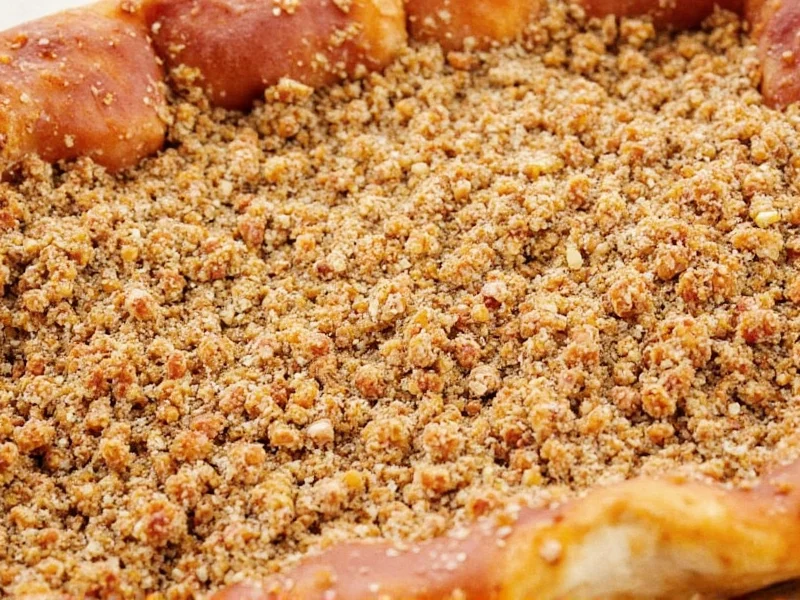
When crafting the perfect Philly cheesesteak, the seasoning plays a crucial role in enhancing the natural flavors of the thinly sliced ribeye steak. Unlike many regional barbecue rubs or complex spice blends, traditional cheesesteak seasoning maintains a deliberately restrained profile that lets the quality of the meat shine through.
Essential Components of Authentic Cheesesteak Seasoning
The beauty of genuine Philadelphia-style cheesesteak seasoning lies in its simplicity. At Pat's King of Steaks and Geno's Steaks—the two most famous cheesesteak establishments in Philadelphia—the seasoning formula hasn't changed significantly since the sandwich's inception in the 1930s.
The core trio includes:
- Coarse sea salt or kosher salt - Provides foundational seasoning without dissolving too quickly
- Freshly cracked black pepper - Adds aromatic warmth and complexity
- Genuine garlic powder - Delivers consistent garlic flavor without burning
Many home cooks mistakenly overload their cheesesteak seasoning with additional spices like paprika, onion powder, or oregano. While these might enhance other steak preparations, they detract from the authentic Philadelphia experience where the meat itself takes center stage.
Historical Consistency of the Seasoning Formula
Documented historical records confirm the enduring simplicity of authentic cheesesteak seasoning. The Encyclopedia of Greater Philadelphia (published by the University of Pennsylvania) details how Pat Olivieri created the first cheesesteak in 1930 using only salt and pepper on grilled beef. By the 1940s, garlic powder became a standard addition, completing the trio that remains unchanged today. Unlike culinary traditions that evolve significantly over decades, this seasoning profile has maintained its minimalist integrity for over 90 years, as evidenced by consistent recipes at founding establishments like Pat's King of Steaks (est. 1930) and Geno's Steaks (est. 1966).
Philadelphia vs. Regional Interpretations
True Philly cheesesteak purists maintain that any seasoning beyond salt, pepper, and garlic powder constitutes heresy. Documented regional variations across the United States include:
| Region | Common Additions to Base Seasoning |
|---|---|
| Philadelphia (Original) | None (base seasoning only) |
| Northeast Corridor | Crushed red pepper |
| Midwest | Onion powder, paprika |
| West Coast | Smoked paprika, cumin |
While these regional adaptations have their merits, understanding the traditional approach helps you appreciate why the simple Philadelphia formula has endured for generations. The minimalist seasoning allows the high-quality ribeye to express its natural beefiness, which gets beautifully caramelized on the griddle.
Contextual Boundaries: Application Limitations
Culinary science defines specific boundaries where authentic cheesesteak seasoning delivers optimal results. According to research from the University of Illinois Extension, "seasoning should enhance rather than mask the natural flavor of high-quality meat." This creates critical limitations:
- Appropriate Context: Exclusively for thinly sliced ribeye cooked on flat-top griddles with immediate cheese application (provolone/Cheez Whiz)
- Inappropriate Context: Unsuitable for thick-cut steaks, slow-cooked dishes, or non-beef proteins where flavor penetration requires extended marinating
- Temperature Constraint: Must be applied during cooking—not pre-mixed with raw meat—as cold-temperature seasoning causes moisture loss and prevents proper searing (per USDA Food Safety guidelines)
Violating these boundaries fundamentally alters the chemical reactions that create authentic Philly cheesesteak flavor chemistry.
Homemade vs. Store-Bought Cheesesteak Seasoning
Creating your own homemade cheesesteak seasoning from scratch offers several advantages over commercial blends:
- Fresher flavor profile - Pre-ground spices lose potency over time
- Customizable heat level - Control the coarseness of your black pepper
- No anti-caking agents - Many store-bought blends contain unnecessary additives
- Cost efficiency - Basic spices cost pennies per serving
When selecting ingredients for your philly cheesesteak seasoning recipe, prioritize quality:
- Use kosher salt rather than table salt for better texture and dissolution control
- Crack your black pepper fresh using a mill rather than using pre-ground
- Choose pure garlic powder without fillers or anti-caking agents
Proper Application Technique
How you apply seasoning matters as much as the blend itself when preparing the best seasoning for cheesesteak meat. Follow these professional techniques:
- Season the raw steak lightly before slicing
- Apply additional seasoning to the griddle surface before adding meat
- Season again during the initial searing phase
- Make a final light application just before serving
The multiple applications create layered seasoning that penetrates the meat without overwhelming any single layer. Avoid applying too much seasoning at once, as this can create a bitter, overpowered flavor when the spices burn on the hot griddle.
Avoiding Common Seasoning Mistakes
Even experienced home cooks make these cheesesteak rub proportions errors:
- Over-seasoning - More isn't better with this delicate blend
- Using pre-mixed blends - Most contain inappropriate spices
- Adding seasoning too early - Causes spices to burn before meat sears
- Ignoring meat temperature - Cold meat requires different seasoning approach
Remember that the goal of authentic cheesesteak seasoning isn't to transform the meat but to enhance its natural qualities. The perfect seasoning application should be noticeable but not dominant in the final sandwich.
Customizing Your Blend
Once you've mastered the traditional philly cheesesteak spice blend, consider these subtle customizations:
- Add 1/8 teaspoon cayenne per tablespoon of base blend for heat lovers
- Incorporate a pinch of celery salt for umami depth
- Mix in a small amount of dried mushroom powder for earthiness
- Experiment with white pepper for a different aromatic profile
When modifying the classic formula, change only one variable at a time and document your results. This systematic approach helps identify which variations genuinely improve your cheesesteak seasoning recipe rather than complicating it unnecessarily.
Storage and Shelf Life
Properly stored, your homemade cheesesteak seasoning maintains peak flavor for 4-6 months. Follow these storage guidelines:
- Use airtight glass or metal containers (not plastic)
- Store away from heat sources and direct sunlight
- Label with preparation date for freshness tracking
- Refresh your blend quarterly for optimal flavor
Commercial blends often contain anti-caking agents that extend shelf life but compromise flavor. By making your own authentic cheesesteak rub in small batches, you ensure maximum freshness and flavor impact with each use.
Final Considerations for Perfect Seasoning
The quality of your cheesesteak ultimately depends more on proper technique than complex seasoning. Remember these key principles:
- The meat should be partially frozen when slicing for paper-thin cuts
- Use a properly seasoned griddle at consistent medium-high heat
- Don't overcrowd the cooking surface to ensure proper searing
- Season in multiple light applications rather than one heavy dose
When executed properly, the simple seasoning blend enhances rather than masks the quality ribeye steak—the star of any authentic Philly cheesesteak. Whether you're searching for where to buy cheesesteak seasoning near me or prefer making your own from scratch, understanding these fundamentals ensures restaurant-quality results at home.




 浙公网安备
33010002000092号
浙公网安备
33010002000092号 浙B2-20120091-4