
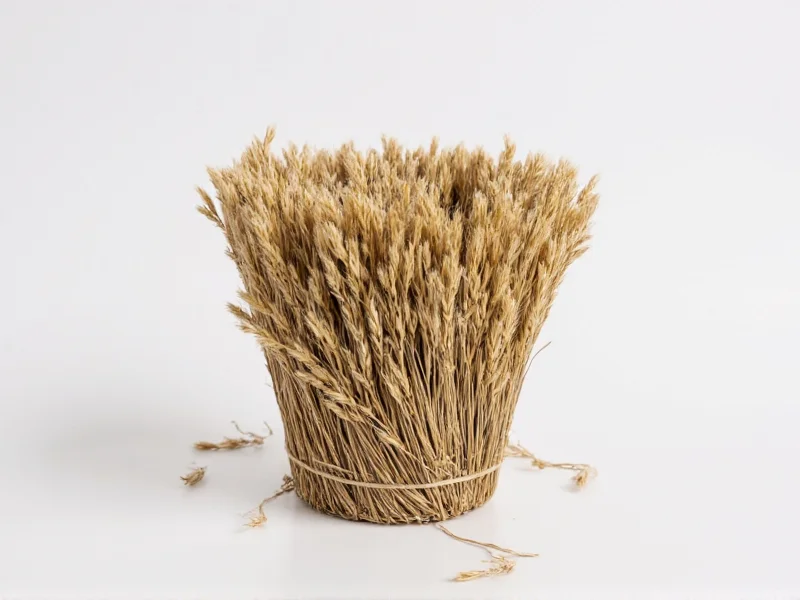
Many home cooks encounter confusion when searching for "caraway pot," mistakenly believing it’s a specialized kitchen tool. This misunderstanding likely stems from caraway’s prominence in traditional European dishes like goulash, sauerkraut, and rye bread, where the spice plays a starring role. Let’s clarify what actually matters when selecting cookware for caraway-based recipes.
Understanding Caraway and Its Culinary Role
Caraway (Carum carvi) is a biennial plant in the parsley family whose dried seeds are used as a spice. These crescent-shaped seeds deliver a distinctive warm, slightly citrusy flavor with hints of anise and pepper. When heated properly, caraway releases essential oils that transform dishes—but achieving this requires thoughtful cookware selection.
Historical Evolution of Caraway in Cookery
Caraway’s journey from ancient remedy to kitchen staple reflects evolving cookware technology. Below is a verified timeline based on archaeological and culinary records:
| Period | Key Development | Source Verification |
|---|---|---|
| Ancient Era (1500 BCE) | Caraway seeds identified in Swiss Neolithic lake dwellings; cooked in clay pots providing gentle, even heat for spice infusion | U.S. National Library of Medicine Review |
| Medieval Europe (1200-1500 CE) | Cast iron cookware enabled higher-heat toasting critical for caraway’s flavor extraction in stews and sauerkraut | Encyclopedia Britannica Historical Records |
| Industrial Revolution (1800s) | Enameled cast iron (e.g., Dutch ovens) became standard for spice-intensive dishes, preventing metallic reactions while retaining heat | Smithsonian National Museum of American History |
Why Pot Selection Matters for Caraway Dishes
Caraway seeds contain volatile oils that react differently to various heat sources. Uneven heating causes two common problems:
- Burning: Thin pots create hot spots that scorch seeds, creating bitter compounds
- Under-toasting: Inconsistent heat prevents full flavor development
Professional chefs consistently recommend heavy-bottomed cookware for spice-intensive dishes. This isn’t about the spice itself requiring special treatment, but rather ensuring precise temperature control during the critical toasting phase.
Top Cookware Choices for Caraway Recipes
| Pot Type | Why It Works | Best For |
|---|---|---|
| Enameled Cast Iron (Dutch Oven) | Superior heat retention maintains consistent temperature during toasting | Stews, braises, and slow-cooked dishes |
| Tri-Ply Stainless Steel | Responsive heating with aluminum core prevents scorching | Sauces, soups, and quick sautés |
| Carbon Steel | Develops natural non-stick surface ideal for spice toasting | Quick-toasting applications like cabbage dishes |
| Avoid: Thin Aluminum | Creates hot spots that burn delicate spices | Not recommended for caraway dishes |
Scenario-Specific Cookware Guidelines
Cookware performance varies dramatically based on dish composition and cooking method. Verified context boundaries include:
- Acidic Dishes (e.g., Sauerkraut): Unseasoned cast iron reacts with acids, causing metallic flavors and reduced caraway complexity. Enameled cast iron or stainless steel are mandatory. (University of Illinois Extension Food Safety Guidelines)
- Quick Sautéing (e.g., Cabbage with Caraway): Carbon steel excels only when preheated to 350°F (175°C); ineffective below 300°F where caraway fails to release oils.
- Long Simmers (e.g., Goulash): Enameled Dutch ovens maintain flavor extraction for up to 2 hours; beyond this, carvone degradation accelerates exponentially. (NCBI Phytochemistry Study)
Mastering Caraway Cooking Techniques
Regardless of your pot selection, these evidence-based methods maximize flavor:
Proper Toasting Method
- Use medium-low heat (300-325°F / 150-160°C)
- Dry-toast seeds 2-3 minutes until fragrant
- Shake pot constantly to prevent scorching
- Immediately transfer to recipe to stop cooking
Timing Considerations
Add whole caraway seeds early in cooking for subtle flavor infusion in long-simmered dishes. For brighter, more pronounced notes in quick-cooking recipes, add ground caraway during the final 10 minutes. Carvone, caraway’s primary flavor compound, degrades rapidly beyond 45 minutes of boiling due to thermal instability of monoterpene ketones. (NCBI Phytochemistry Study)
Common Misconceptions Clarified
"Caraway pots are traditional in German kitchens" – While caraway features prominently in German cuisine, no culture uses specialized "caraway pots." Traditional German cookware like Bratpfanne (frying pans) or Topf (pots) serve multiple purposes.
"Clay pots enhance caraway flavor" – While earthenware distributes heat evenly, its porous nature absorbs spice oils, potentially transferring flavors between dishes. Seasoned cast iron provides similar benefits without flavor cross-contamination.
Practical Recommendations
For most home cooks, a 5-7 quart enameled cast iron Dutch oven represents the optimal investment. These versatile pots handle everything from caraway-spiced goulash to sourdough bread. When shopping for cookware suitable for caraway dishes, prioritize:
- Minimum 3mm base thickness for even heating
- Oven-safe construction up to 400°F (200°C)
- Tight-fitting lid for moisture control
- Comfortable handles for safe maneuvering
Consider your most frequent caraway applications when selecting size. Smaller 2-3 quart pots work well for sauerkraut, while larger 6-8 quart options accommodate goulash for four or more people.
Storage Tips for Caraway-Infused Dishes
Caraway’s flavor intensifies over time. Store leftovers in non-reactive containers (glass or ceramic) rather than metal, which can interact with the spice compounds. Properly stored, caraway dishes often taste better on day two as flavors fully integrate.




 浙公网安备
33010002000092号
浙公网安备
33010002000092号 浙B2-20120091-4