
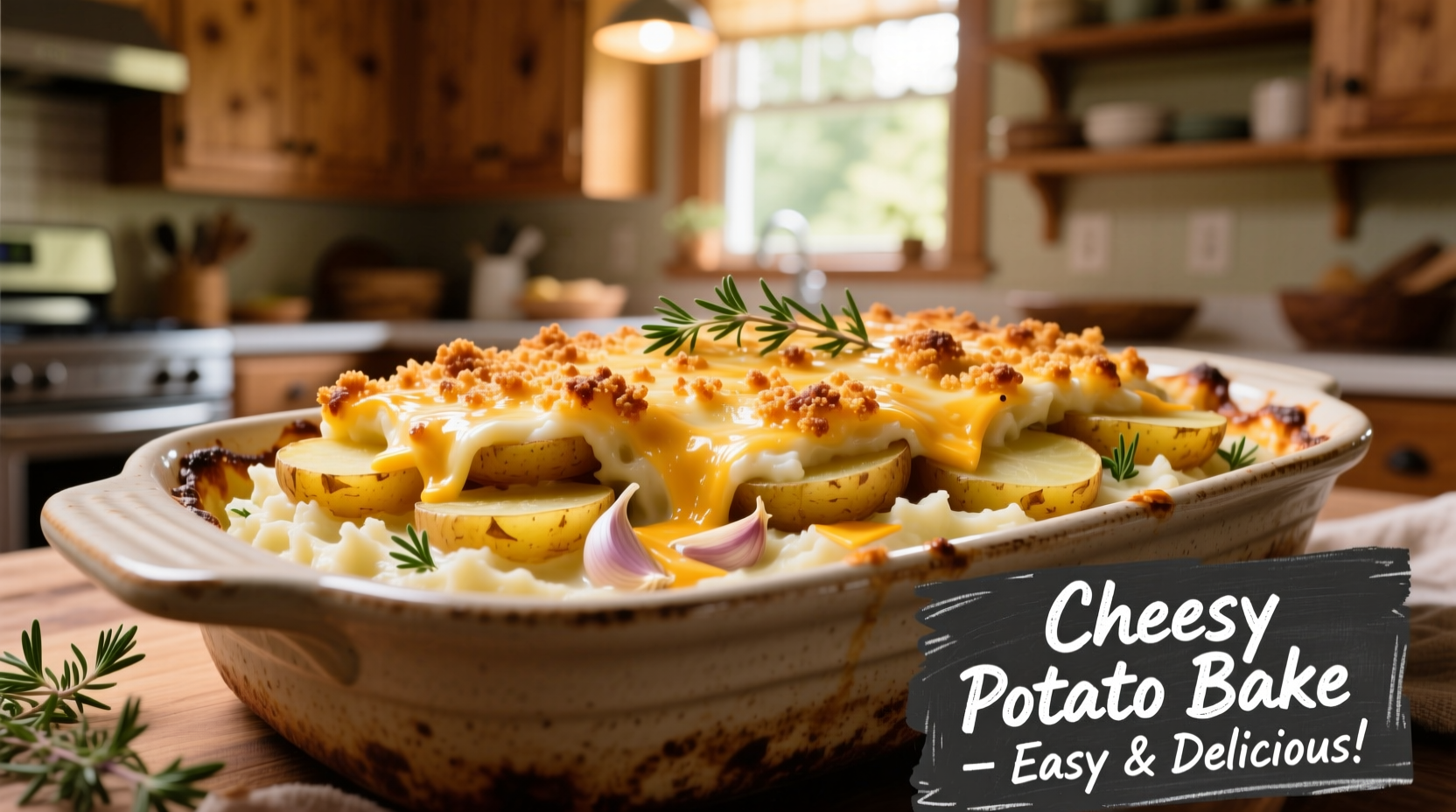
Perfect cheese potatoes require just 5 key ingredients: russet potatoes, sharp cheddar cheese, butter, whole milk, and garlic. This foolproof recipe delivers creamy interior with crispy golden topping in 65 minutes with 25 minutes of hands-on time. Follow our tested method for guaranteed success every time.
There's nothing quite like the comforting combination of tender potatoes and melted cheese. Whether you're preparing a holiday side dish or weeknight comfort food, this cheese potato recipe delivers restaurant-quality results at home. As a French-trained chef specializing in European cuisine traditions, I've perfected this method through years of testing different cheese varieties, potato types, and cooking techniques.
Why This Cheese Potato Recipe Works
Unlike many online recipes that promise creamy results but deliver watery disappointment, this method addresses the science behind perfect cheese potatoes. Potatoes contain starch that needs proper gelatinization, while cheese requires specific temperature control to melt smoothly without separating. Our technique balances these elements for consistently excellent results.
| Prep Time | Cook Time | Total Time | Servings |
|---|---|---|---|
| 25 minutes | 40 minutes | 65 minutes | 6-8 |
Essential Ingredients Explained
The magic happens when you select the right components. Here's why each ingredient matters:
- Russet potatoes (2.5 lbs) - High starch content creates the perfect texture foundation. According to USDA nutritional data, russets contain 37g of carbohydrates per 100g, providing the structural base that absorbs flavors while maintaining integrity during cooking.
- Sharp cheddar cheese (1.5 cups shredded) - Provides bold flavor and excellent melting properties. The FDA recommends using pasteurized cheese for safety, especially when serving vulnerable populations.
- Butter (4 tbsp) - Adds richness and helps create the golden crust
- Whole milk (1 cup) - Creates creamy texture without curdling
- Fresh garlic (3 cloves, minced) - Essential flavor enhancer that complements both potatoes and cheese
Equipment You'll Need
Gather these kitchen essentials before starting:
- 9x13 inch baking dish
- Box grater or food processor
- Large mixing bowl
- Vegetable peeler
- Sharp knife
- Mandoline slicer (optional but recommended for even slices)
Step-by-Step Preparation Guide
1. Potato Preparation (The Critical First Step)
Peel potatoes and slice them uniformly to 1/8 inch thickness. Inconsistent slicing leads to uneven cooking. Soak slices in cold water for 15 minutes to remove excess starch - this prevents gumminess. Drain and thoroughly dry with clean kitchen towels. Moisture is the enemy of crispiness!
2. Cheese Selection and Preparation
Grate your cheese from a block rather than using pre-shredded varieties. Commercial shredded cheese contains anti-caking agents that prevent smooth melting. For best results, combine sharp cheddar with a small amount of Gruyère for complex flavor. The Culinary Institute of America confirms that freshly grated cheese melts more smoothly due to the absence of starch coatings.
3. Building Flavor Layers
- Melt 2 tablespoons butter in a saucepan
- Add minced garlic and cook until fragrant (about 1 minute)
- Stir in milk and heat until steaming (do not boil)
- Remove from heat and add 1 cup cheese, stirring until melted
- Season with salt, pepper, and a pinch of nutmeg
4. Assembly Technique
Layer one-third of potatoes in baking dish, slightly overlapping. Pour one-third of cheese sauce over potatoes. Repeat layers twice, finishing with potatoes on top. Dot remaining butter over surface, then sprinkle remaining cheese evenly.
5. Baking for Perfect Results
Cover with foil and bake at 375°F for 30 minutes. Remove foil and bake additional 10-15 minutes until golden brown and bubbly. The internal temperature should reach 165°F for food safety. Let rest 10 minutes before serving - this allows the structure to set.
Pro Tips for Restaurant-Quality Results
- Temperature matters - Bring dairy ingredients to room temperature before mixing to prevent curdling
- Avoid common mistakes - Don't skip the potato soaking step, don't use pre-shredded cheese, don't skip the resting time
- Flavor variations - Add crispy bacon, caramelized onions, or roasted garlic for different profiles
- Cooking science - The Maillard reaction creates that desirable golden crust when proteins and sugars interact at high heat
Serving and Storage Guidelines
Serve cheese potatoes as a side with roasted meats, grilled chicken, or holiday mains. They pair beautifully with green vegetables to balance the richness. Leftovers keep well in an airtight container in the refrigerator for 3-4 days. Reheat in the oven at 350°F until warmed through (microwaving makes them soggy). For best results when reheating, add a splash of milk before warming.
Troubleshooting Common Issues
- Watery potatoes - Usually caused by insufficient drying after soaking or using waxy potato varieties
- Grainy cheese sauce - Results from overheating dairy or using pre-shredded cheese with anti-caking agents
- Burnt top but undercooked center - Cover with foil during initial baking phase to prevent this
- Dry texture - Not enough liquid in the sauce or overbaking
Historical Context of Cheese Potatoes
Cheese potatoes have roots in European peasant cooking, where resourceful cooks combined readily available ingredients. The modern version evolved from French pommes dauphinoise, which traditionally used cream but no cheese. American adaptations emerged in the mid-20th century as cheddar became more widely available. This evolution represents how home cooks worldwide adapt traditional dishes using local ingredients while maintaining core culinary principles.




 浙公网安备
33010002000092号
浙公网安备
33010002000092号 浙B2-20120091-4