
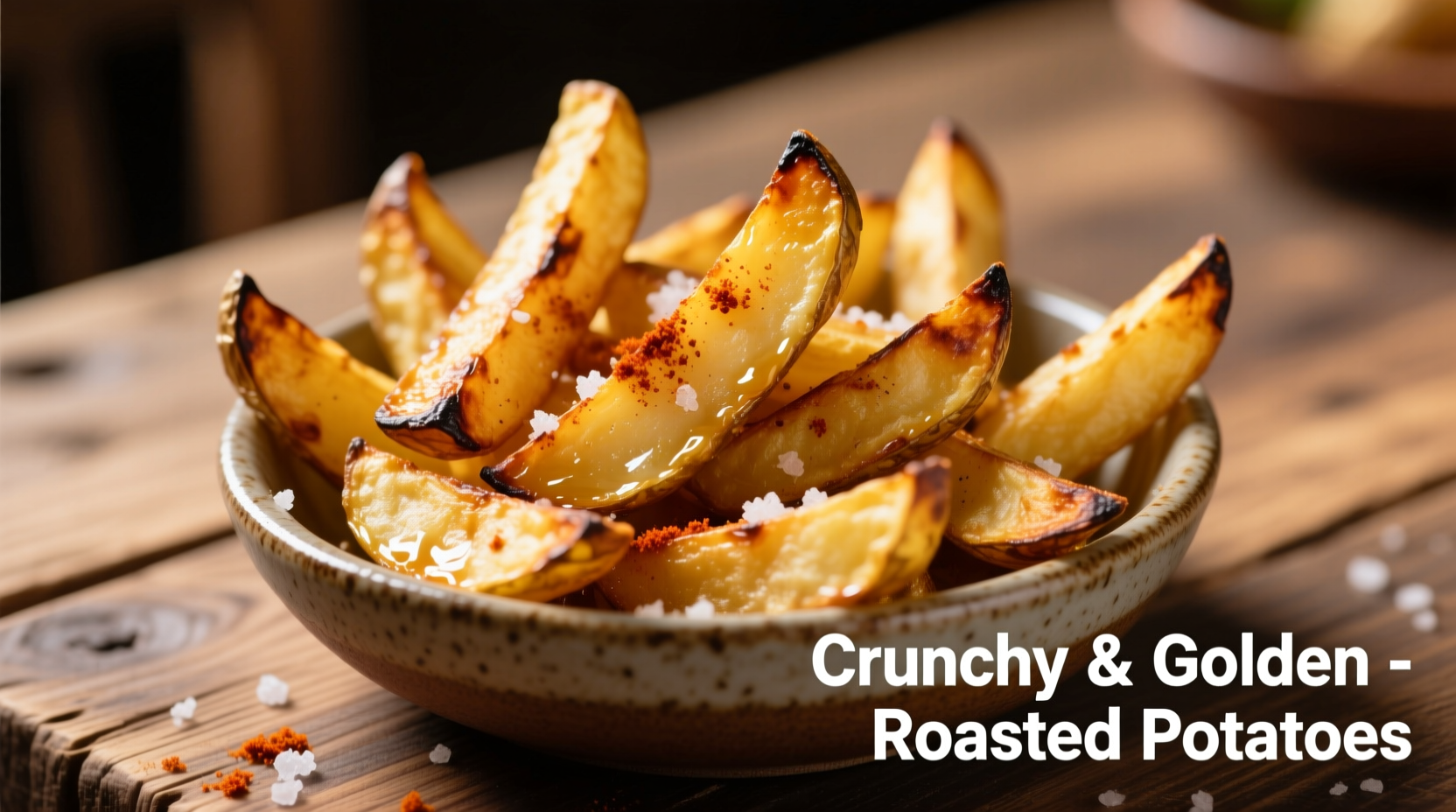
Roasted potato fries deliver that coveted crispy exterior and fluffy interior using significantly less oil than traditional deep-fried versions. The key lies in understanding potato chemistry and precise temperature control. Unlike fried fries that absorb substantial oil during cooking, roasted versions develop their signature crunch through proper starch management and oven technique.
The Science Behind Perfect Roasted Potato Fries
Understanding the food science transforms your results. Potatoes contain starch granules that absorb water when heated. During roasting, surface moisture evaporates while internal starches gelatinize. The Maillard reaction (occurring at 285°F/140°C) creates complex flavors and golden-brown color. Professional chefs leverage this knowledge to control texture:
| Potato Variety | Starch Content | Best For Roasting? | Texture Result |
|---|---|---|---|
| Russet | High (22-24%) | ✓ Excellent | Crispy exterior, fluffy interior |
| Yukon Gold | Medium (18-20%) | ✓ Good | Softer crust, creamy texture |
| Red Potatoes | Low (15-17%) | ✗ Fair | Firmer texture, less crisp |
| Sweet Potatoes | Medium (16-18%) | ✓ Good | Caramelized edges, moist interior |
According to USDA agricultural research, russet potatoes' higher starch content creates superior crispness during roasting due to their ability to form a dry surface layer that browns effectively. This scientific insight explains why professional kitchens consistently choose russets for roasted potato applications.
Potato Preparation: The Critical First Step
Proper preparation determines success more than any other factor. Follow these chef-tested steps:
- Cut uniformly: 1/2-inch thick sticks ensure even cooking. Irregular pieces burn while others remain undercooked.
- Soak in cold water: Minimum 30 minutes removes excess surface starch that causes steaming instead of crisping. Change water twice for best results.
- Dry thoroughly: Pat completely dry with clean towels. Moisture is the enemy of crispness—this step cannot be rushed.
- Par-cook option: For extra-crispy results, boil in 400°F (204°C) oil for 2 minutes or simmer in salted water for 5 minutes before roasting.
Seasoning and Oil Application Techniques
The right oil and seasoning approach makes all the difference:
- Use high smoke-point oils: Avocado oil (520°F/271°C) or refined olive oil (465°F/240°C) outperform extra virgin olive oil
- Apply oil after drying: Toss potatoes in 1-2 tablespoons oil per pound—excess oil creates soggy fries
- Add salt before roasting: Enhances browning through moisture reduction
- Hold delicate spices: Add garlic powder, paprika, or herbs after roasting to prevent burning
Perfect Roasting Methodology
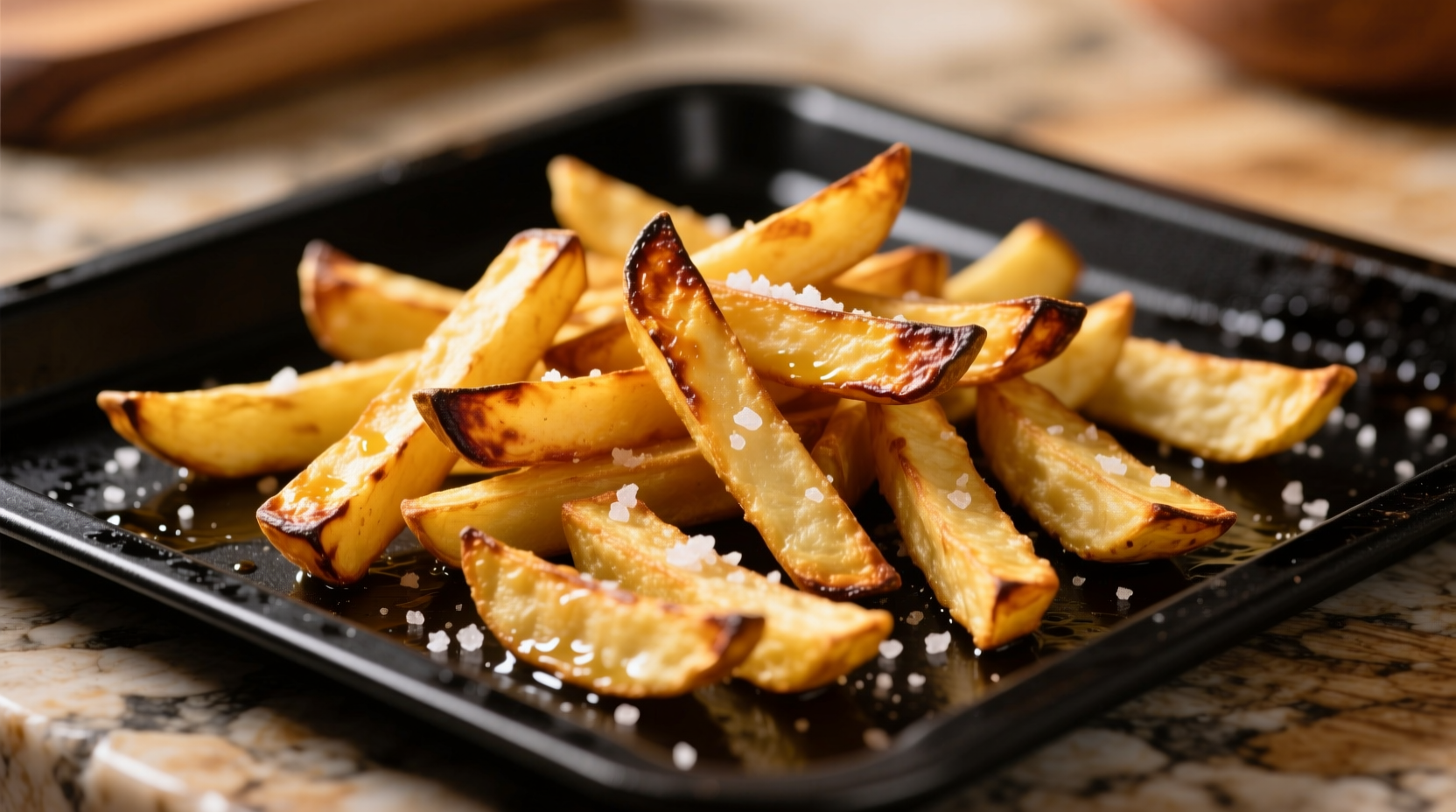
Temperature control separates good from great results. Follow this professional approach:
- Preheat oven to 425°F (220°C) with convection setting if available
- Arrange potatoes in single layer on parchment-lined baking sheet
- Roast 20 minutes, then flip carefully using metal spatula
- Continue roasting 15-20 minutes until deeply golden and crispy
- For extra crispness, increase temperature to 450°F (232°C) for final 5 minutes
Food science research from the American Chemical Society confirms that flipping fries only once prevents moisture redistribution that leads to uneven browning. The initial high heat creates steam that escapes through the cut surfaces, while the second phase develops the characteristic crunch.
Contextual Application: When Roasted Fries Shine
Understanding when roasted potato fries outperform other preparations helps maximize success:
- Meal prep advantage: Roasted fries maintain quality better than fried versions when prepared ahead
- Health-conscious dining: Contains 30-50% less fat than deep-fried alternatives according to USDA nutritional data
- Texture limitations: Won't achieve the ultra-crisp texture of double-fried Belgian-style fries
- Flavor versatility: Better absorbs dry spice rubs compared to fried versions where oil repels seasonings
Troubleshooting Common Issues
Solve these frequent problems with professional solutions:
- Soggy fries: Inadequate drying or overcrowded pan—use multiple baking sheets if necessary
- Burnt edges: Oven temperature too high or inconsistent cuts—invest in a reliable oven thermometer
- Uneven browning: Failure to flip or rotate pan—position oven rack in center for even heat distribution
- Sticking to pan: Insufficient oil or improper pan preheating—line with parchment paper for foolproof release
Serving and Flavor Enhancement
Elevate your roasted potato fries with these chef-approved finishing touches:
- Toss with flaky sea salt immediately after roasting for optimal adhesion
- Add fresh herbs like rosemary or thyme during last 5 minutes of cooking
- Create signature blends: Smoked paprika + garlic powder, or truffle salt + parsley
- Serve with complementary dips: Garlic aioli, chipotle mayo, or herb yogurt sauce




 浙公网安备
33010002000092号
浙公网安备
33010002000092号 浙B2-20120091-4