
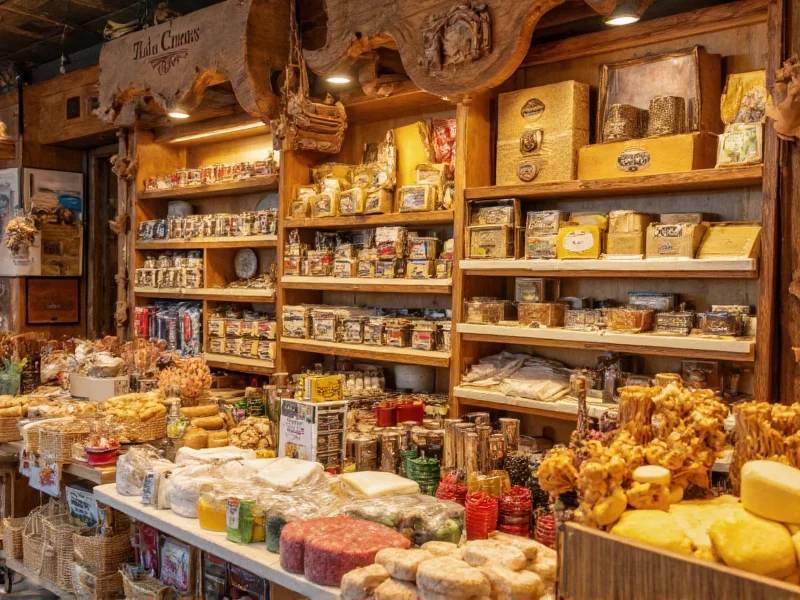
Specialty food shops focusing on cheese and sausage represent culinary traditions that span centuries across European cultures. These establishments serve as community hubs where food enthusiasts can access high-quality, often locally-produced products that supermarkets typically cannot match in variety or craftsmanship. Understanding what distinguishes an exceptional cheese and sausage shop helps consumers make informed choices about where to invest their food dollars.
The Heritage of Specialty Food Shops
Cheese and sausage shops originated in European market towns where butchers and dairy producers would sell their craft directly to consumers. These establishments evolved from simple butcher shops into curated destinations offering regional specialties. Traditional European cheese and sausage shops often maintain direct relationships with local farms and artisan producers, ensuring traceability and supporting sustainable food systems. This heritage continues today in specialty food shops worldwide, where knowledgeable staff can explain production methods, ingredient sources, and proper handling techniques.
What Defines a Quality Cheese Selection
Exceptional cheese and sausage shops categorize their offerings by milk type, aging process, and regional origin. The best establishments maintain proper humidity and temperature controls for different cheese varieties. When evaluating a cheese selection, look for:
| Cheese Category | Characteristics | Recommended Pairings |
|---|---|---|
| Fresh Cheeses | Unaged, high moisture content, mild flavor | Fruit preserves, light white wines, crusty bread |
| Semi-Soft Cheeses | Meltable texture, moderate aging | Apples, pears, medium-bodied red wines |
| Hard Cheeses | Aged 6+ months, crystalline texture | Honey, nuts, full-bodied reds or port |
| Blue Cheeses | Veined with mold, pungent flavor | Dried fruits, sweet wines, dark chocolate |
Understanding Sausage Varieties and Quality Indicators
Authentic sausage shops distinguish themselves through their curing processes and ingredient quality. The finest establishments avoid fillers and artificial preservatives, focusing instead on traditional preparation methods. When selecting sausages, knowledgeable staff should explain:
- Fresh sausages - Require immediate cooking, often made with pork, chicken, or turkey
- Cured sausages - Preserved through salt and sometimes smoke, ready to eat
- Dry-cured sausages - Fermented and air-dried, developing complex flavors over time
- Cooked sausages - Pre-cooked through smoking or boiling
| Sausage Type | Origin | Key Characteristics |
|---|---|---|
| Salami | Italy | Dry-cured, coarsely ground, aged minimum 30 days |
| Chorizo | Spain | Smoked paprika flavor, available fresh or cured |
| Bratwurst | Germany | Fresh pork sausage, often grilled with mustard |
| Andouille | France | Smoked pork sausage, double-cooked tradition |
Expert Pairing Recommendations
Professional cheese and sausage shops provide valuable guidance on complementary pairings that enhance both products' flavors. The saltiness of cured meats balances beautifully with creamy cheeses, while the fat content in quality sausages cuts through sharp cheese profiles. For optimal tasting experiences:
- Begin with mild cheeses and progress to stronger varieties
- Pair regional specialties together (Italian salami with Parmigiano-Reggiano)
- Consider texture contrasts - soft cheeses with firm sausages
- Use neutral crackers or bread to cleanse the palate between tastings
Proper Storage and Serving Techniques
Maintaining product quality after purchase requires proper handling. Cheese and sausage shops with expertise will provide specific storage instructions based on product types:
For cheeses, remove from refrigeration 30-60 minutes before serving to allow flavors to develop. Wrap in wax or parchment paper rather than plastic to maintain proper moisture levels. Hard cheeses can be stored for weeks when properly wrapped, while soft cheeses should be consumed within days.
Cured sausages require cool, humid storage environments. Fresh sausages should be cooked within 1-2 days of purchase, while dry-cured varieties can last several weeks when stored properly. Never freeze quality charcuterie as this damages texture and flavor compounds.
Supporting Local Artisan Producers
The best cheese and sausage shops maintain direct relationships with local dairies and meat producers. This farm-to-counter approach ensures product freshness and supports regional food economies. When visiting specialty shops, ask about their sourcing practices - establishments proud of their partnerships will readily share producer information and may even host tasting events featuring the artisans themselves.
Finding the Right Specialty Shop for Your Needs
When searching for specialty cheese and sausage shops near you, look for establishments that demonstrate expertise through their product knowledge and willingness to offer samples. The best shops employ staff who can explain production methods, ingredient sources, and proper handling techniques without prompting. A well-organized shop will maintain appropriate temperature and humidity controls for different product categories, with cheeses properly wrapped and sausages displayed according to their curing requirements.
What should I look for when selecting a quality cheese and sausage shop?
Look for shops with knowledgeable staff who can explain production methods, ingredient sources, and proper storage techniques. Quality establishments maintain appropriate temperature controls, offer samples to help customers make informed choices, and source products from reputable local or regional producers rather than relying solely on mass-market distributors.
How do I properly store different types of cheese after purchase?
Wrap cheeses in wax or parchment paper instead of plastic to maintain proper moisture levels. Store hard cheeses like Parmesan or aged cheddar in the main refrigerator compartment, while soft cheeses like brie should go in the vegetable drawer where humidity is higher. Blue cheeses should be stored separately as their mold can transfer to other cheeses. Always bring cheese to room temperature for 30-60 minutes before serving for optimal flavor development.
What's the difference between fresh and cured sausages?
Fresh sausages contain raw meat and require immediate cooking, typically made with pork, chicken, or turkey. Cured sausages have been preserved through salt, smoke, or fermentation processes and are safe to eat without cooking. Dry-cured sausages undergo extended aging periods that develop complex flavors and textures. Cooked sausages have been fully cooked through smoking or boiling and are ready to eat, though often reheated for serving.
How should I pair cheese and sausage for optimal flavor?
Pair regional specialties together (Italian salami with Parmigiano-Reggiano), balance saltiness with creaminess, and consider texture contrasts. Start with milder cheeses and progress to stronger varieties. The fat content in quality sausages cuts through sharp cheese profiles, while the saltiness of cured meats balances beautifully with creamy cheeses. Always use neutral crackers or bread to cleanse the palate between tastings for the best experience.




 浙公网安备
33010002000092号
浙公网安备
33010002000092号 浙B2-20120091-4