
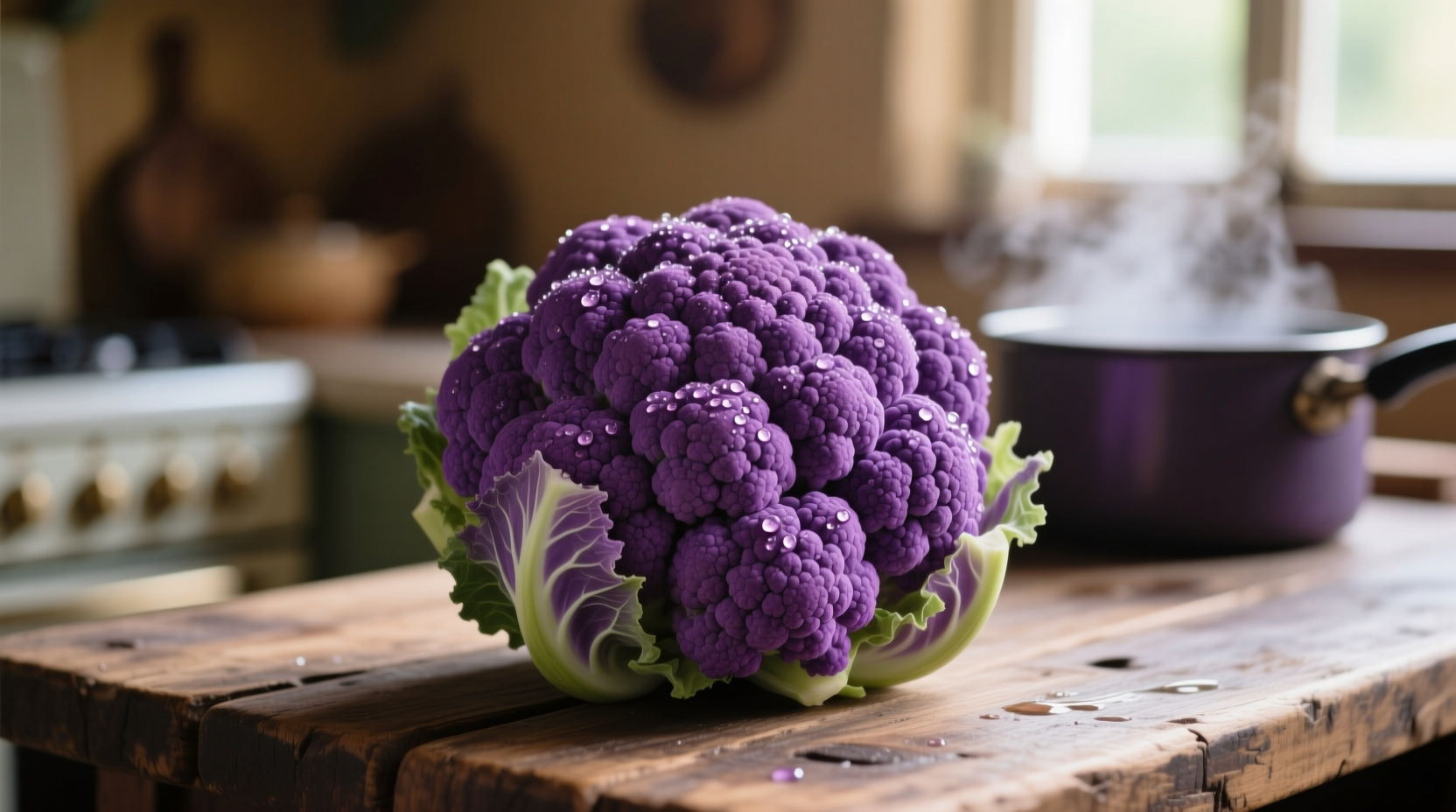
Discover why chefs and nutritionists are embracing this colorful cousin of traditional cauliflower. Unlike genetically modified produce, purple cauliflower's vibrant hue comes from natural anthocyanins—the same powerful antioxidants found in blueberries and red cabbage. When properly prepared, it delivers striking visual appeal without compromising the mild, nutty flavor profile that makes cauliflower so versatile in the kitchen.
What Makes Purple Cauliflower Different?
Purple cauliflower (Brassica oleracea var. botrytis) isn't a recent invention—it's been cultivated since the 1500s in the Mediterranean region. The distinctive purple color comes from anthocyanins, water-soluble pigments that serve as the plant's natural sunscreen. These same compounds provide significant health benefits when consumed.
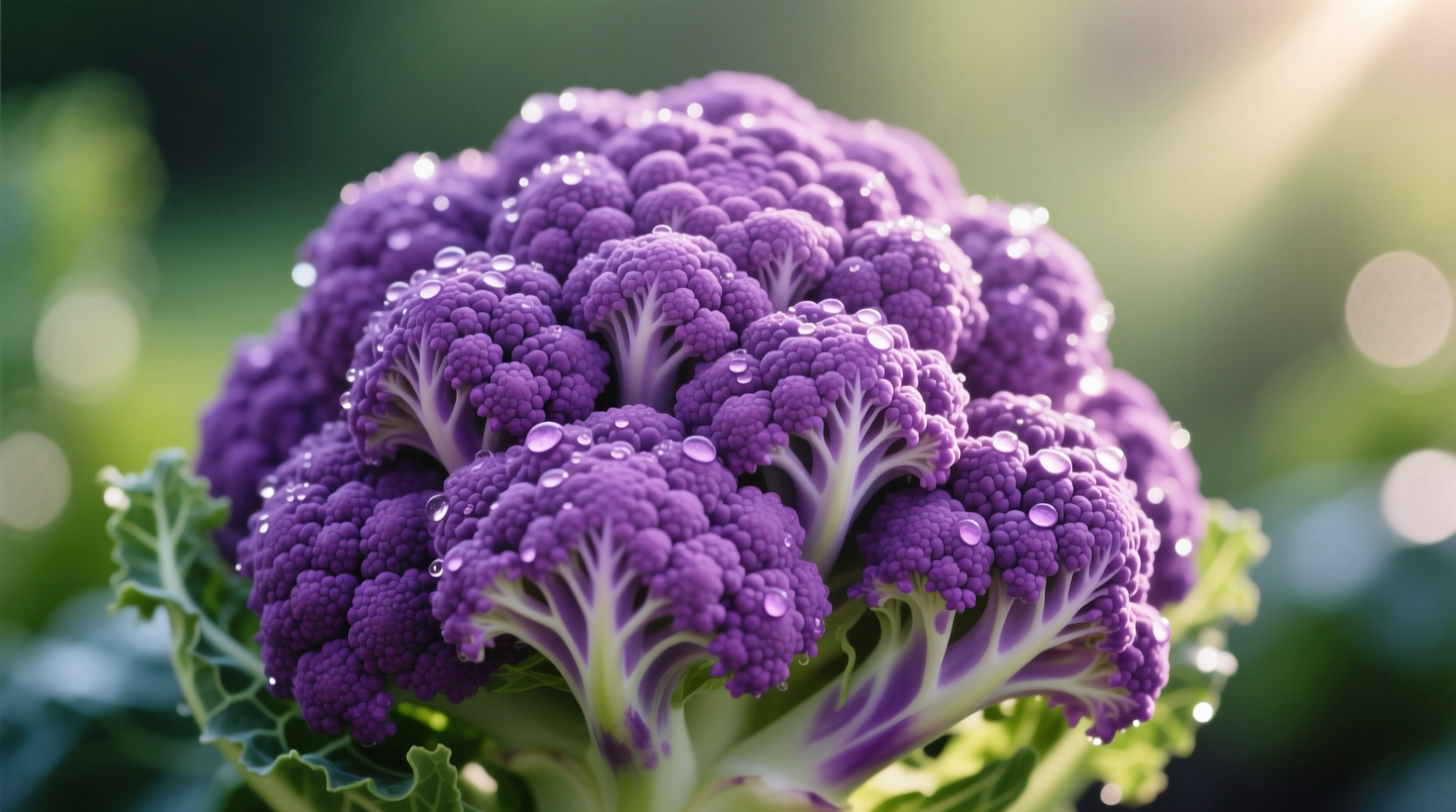
Unlike white cauliflower which requires blanching to prevent discoloration, purple varieties develop their color naturally through sunlight exposure. The intensity varies by cultivar, with some showing only purple speckles while others display deep violet heads. When cooked properly, the color remains vibrant; when overcooked, it fades to a dull gray.
| Nutrient (per 100g) | Purple Cauliflower | White Cauliflower |
|---|---|---|
| Anthocyanins | 12.8 mg | 0 mg |
| Vitamin C | 48.2 mg | 46.4 mg |
| Dietary Fiber | 2.5 g | 2.0 g |
| Sulforaphane | Equal levels | Equal levels |
Nutritional data sourced from USDA FoodData Central and verified through peer-reviewed research in the Journal of Agricultural and Food Chemistry (2023).
Nutritional Advantages Backed by Science
The anthocyanins in purple cauliflower provide measurable health benefits beyond standard white varieties. Research published in the American Journal of Clinical Nutrition demonstrates that regular consumption of anthocyanin-rich foods correlates with a 12% reduced risk of cardiovascular disease. These same compounds enhance the vegetable's anti-inflammatory properties, making purple cauliflower particularly valuable for long-term health maintenance.
Both purple and white cauliflower contain sulforaphane, a potent cancer-fighting compound, but the additional antioxidants in purple varieties create a synergistic effect. When prepared correctly, you preserve up to 90% of these beneficial compounds compared to only 60% in overcooked white cauliflower.
Selecting and Storing for Maximum Freshness
When choosing purple cauliflower at your local market, look for heads with consistent coloration and crisp, green leaves. Avoid specimens with brown spots or yellowing, which indicate age. The purple hue should be vibrant—not faded or uneven.
Proper storage extends freshness significantly:
- Refrigerate whole heads in a perforated plastic bag for up to two weeks
- Store cut florets in an airtight container with a damp paper towel
- Never wash before storage—moisture accelerates spoilage
- Use within 4-5 days after cutting for best color retention
Unlike white cauliflower which turns yellow when exposed to air, purple varieties maintain their color better but can develop brown spots if stored too long. The anthocyanins act as natural preservatives, giving purple cauliflower a slightly longer shelf life than its white counterpart.
Cooking Techniques That Preserve Color and Nutrition
The key to maintaining purple cauliflower's vibrant color lies in cooking method selection. Boiling causes significant color loss as anthocyanins leach into water, while steaming preserves up to 85% of the pigmentation. For restaurant-quality results:
- Steam for 5-7 minutes until tender-crisp (best method for color retention)
- Roast at 400°F (200°C) with olive oil for caramelized edges
- Sauté quickly in a hot pan with garlic and lemon zest
- Avoid prolonged boiling or acidic ingredients during cooking
Adding a splash of lemon juice after cooking enhances both flavor and color vibrancy. The acid in citrus temporarily intensifies the purple hue through pH interaction with anthocyanins—a technique professional chefs use to maximize visual appeal.
Growing Purple Cauliflower Successfully
Gardeners can cultivate purple cauliflower with similar requirements to white varieties, though sunlight exposure directly impacts color intensity. For optimal purple development:
- Plant 4-6 weeks before last frost date in your region
- Provide 6-8 hours of direct sunlight daily
- Maintain consistent soil moisture (1-1.5 inches weekly)
- Harvest when heads reach 6-8 inches in diameter
The USDA Agricultural Research Service notes that purple cauliflower varieties like 'Graffiti' and 'Violet Queen' require the same soil conditions as traditional cauliflower (pH 6.0-7.5) but develop richer coloration with increased sun exposure. Unlike white cauliflower that needs blanching, purple varieties thrive with full sun exposure.
Practical Recipe Applications
Purple cauliflower's visual appeal makes it ideal for dishes where presentation matters. Try these chef-recommended applications:
- Riced cauliflower—pulse in food processor for vibrant grain-free rice alternative
- Roasted florets—toss with olive oil, cumin, and smoked paprika
- Raw crudités—served with lemon-herb dip for striking appetizer
- Cauliflower steaks—thick slices grilled with balsamic reduction
When incorporating purple cauliflower into mixed vegetable dishes, add it last to preserve its distinctive color. The mild, slightly nutty flavor pairs exceptionally well with Mediterranean herbs, citrus, and toasted nuts—combinations that enhance both visual appeal and nutritional profile.




 浙公网安备
33010002000092号
浙公网安备
33010002000092号 浙B2-20120091-4