
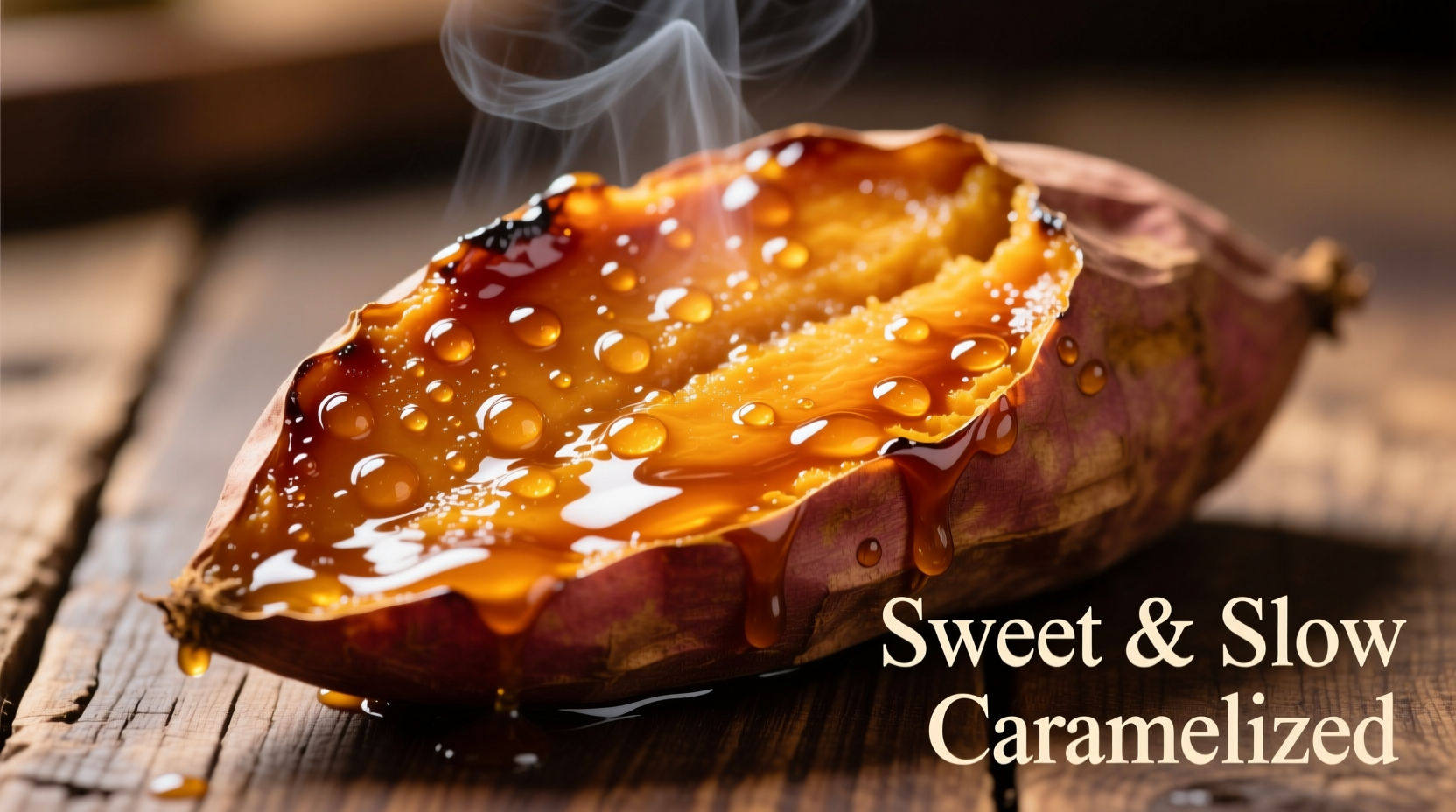
The Science Behind Perfect Caramelization
Understanding the chemical processes transforms your sweet potato cooking from hit-or-miss to consistently spectacular. When sweet potatoes heat beyond 320°F (160°C), two key reactions occur simultaneously:
| Reaction Type | Temperature Range | Key Effects |
|---|---|---|
| Maillard Reaction | 285-320°F (140-160°C) | Creates complex savory notes and golden-brown color through amino acid-sugar interaction |
| Caramelization | 320-356°F (160-175°C) | Breaks down sucrose into 400+ flavor compounds, producing nutty, buttery notes |
Unlike regular potatoes, sweet potatoes contain nearly double the sugar content (approximately 4.2g per 100g), making them exceptionally responsive to caramelization. The orange-fleshed varieties like Beauregard and Garnet work best due to their higher sugar-to-starch ratio compared to white or purple varieties.
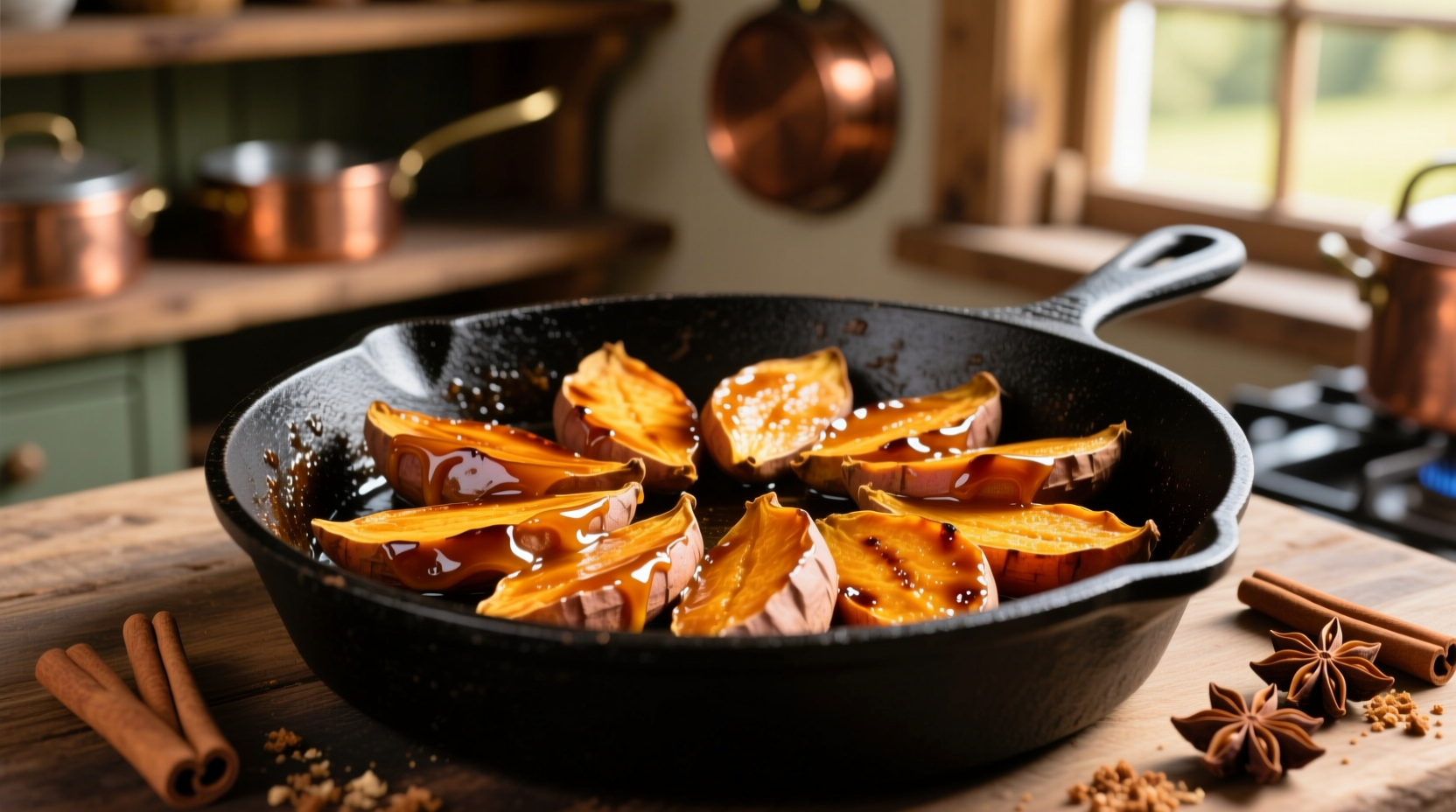
Your Essential Caramelization Toolkit
Professional results start with the right equipment. While you can technically use any pan, these tools dramatically improve your success rate:
- Heavy-bottomed skillet (cast iron or carbon steel) - provides even heat distribution critical for consistent browning
- Instant-read thermometer - removes guesswork by monitoring exact pan temperature
- Thin metal spatula - allows precise flipping without damaging delicate caramelized surfaces
- Paper towels - essential for drying sweet potatoes to prevent steaming
Step-by-Step Caramelization Process
Follow this chef-tested method for restaurant-quality results every time:
- Prep properly: Cut sweet potatoes into uniform 1/2-inch thick slices or 3/4-inch cubes. Soak in cold water for 10 minutes to remove excess surface starch, then thoroughly dry with paper towels
- Temperature control: Heat 1 tablespoon of high-smoke point oil (avocado or grapeseed) in your skillet over medium heat for 3-4 minutes until oil shimmers but doesn't smoke
- The critical first placement: Arrange sweet potatoes in single layer without crowding. Wait 2 full minutes without moving to allow proper sear formation
- Monitor and flip: When edges turn deep golden brown (about 6-8 minutes), flip pieces using thin spatula. Cook second side 5-7 minutes until caramelized
- Finishing touch: Add 1 teaspoon apple cider vinegar or lemon juice during last minute of cooking to balance sweetness with bright acidity
Avoid These 3 Common Caramelization Mistakes
Even experienced home cooks frequently make these errors that prevent proper caramelization:
Mistake #1: Crowded Pan
Overcrowding causes steam buildup that lowers pan temperature below the critical 320°F threshold needed for caramelization. Cook in batches if necessary, using just enough space for each piece to have 1/4-inch clearance.
Mistake #2: Moving Too Soon
Flipping before the Maillard reaction completes (minimum 2 minutes) prevents proper sear formation. Let the natural non-stick properties develop before attempting to move pieces.
Mistake #3: Incorrect Heat Level
Too low: Prevents reaching caramelization temperature. Too high: Burns sugars before interior cooks. Maintain steady medium heat (325-350°F/163-177°C) throughout cooking.
Flavor Variations and Serving Suggestions
Once you've mastered the basic technique, experiment with these professional chef-approved variations:
- Herb-infused: Add 2 sprigs fresh rosemary or thyme during last 3 minutes of cooking for aromatic complexity
- Spiced: Toss with 1/4 teaspoon smoked paprika and pinch of cayenne before cooking for subtle heat
- Savory-sweet: Finish with flaky sea salt and 1 teaspoon balsamic reduction for balanced flavor profile
Caramelized sweet potatoes pair beautifully with roasted poultry, grilled meats, or as a standalone vegetarian main when served over quinoa with toasted pecans. For optimal texture contrast, serve immediately after cooking as they lose crispness during storage.
Storage and Reheating Guidelines
While best enjoyed fresh, properly stored caramelized sweet potatoes maintain quality for 3-4 days:
- Storage: Cool completely, then store in airtight container with paper towel to absorb excess moisture
- Reheating: Revive crispness by spreading in single layer on baking sheet and heating at 400°F (204°C) for 8-10 minutes
- Avoid: Microwave reheating creates sogginess by reintroducing steam to the caramelized surface
Nutritional Benefits of Proper Caramelization
Contrary to popular belief, caramelizing sweet potatoes doesn't significantly reduce nutritional value when done correctly. According to USDA FoodData Central research, properly caramelized sweet potatoes retain over 90% of their vitamin A content compared to boiling which can leach nutrients into water.
The controlled heat exposure actually increases bioavailability of beta-carotene by breaking down cell walls. Just avoid burning, as charred portions contain acrylamides that form above 356°F (180°C). The natural sugars transform rather than disappear, maintaining similar carbohydrate content to raw sweet potatoes (approximately 20g per 100g).
Frequently Asked Questions
Can I caramelize sweet potatoes in the oven instead of on the stovetop?
Yes, but with important adjustments. Roast at 425°F (220°C) on parchment-lined baking sheet for 25-30 minutes, flipping halfway. Oven caramelization produces more even browning but lacks the concentrated sear of stovetop cooking. For best results, finish under broiler for 2-3 minutes to intensify caramelization.
Why do my sweet potatoes stick to the pan during caramelization?
Sticking occurs when either the pan isn't hot enough before adding sweet potatoes, or when attempting to flip too soon. Proper technique requires heating the pan until a drop of water sizzles violently, then waiting at least 2 minutes after placing sweet potatoes before attempting to move them. Ensure thorough drying after cutting to remove surface moisture that causes sticking.
Do I need to add sugar for caramelization or does it happen naturally?
Sweet potatoes contain sufficient natural sugars (primarily sucrose) for caramelization without added sugar. In fact, adding sugar can cause premature burning before the interior cooks through. The orange-fleshed varieties contain enough sugars to caramelize beautifully when cooked at proper temperatures (320-350°F).
How can I prevent burning while achieving deep caramelization?
Monitor pan temperature carefully using an infrared thermometer. Maintain between 320-350°F (160-175°C) throughout cooking. If browning too quickly, reduce heat slightly and add 1-2 teaspoons of water to the pan to temporarily lower temperature while maintaining steam for interior cooking. Flip more frequently (every 2-3 minutes) when approaching desired color.
Are caramelized sweet potatoes healthier than fried sweet potatoes?
Yes, when prepared correctly. Caramelized sweet potatoes require minimal added fat (1-2 teaspoons per pound) compared to deep-fried versions which absorb significant oil. The controlled cooking method preserves more nutrients than high-temperature frying. Both methods provide similar vitamin content, but caramelization creates additional beneficial compounds through the Maillard reaction without the oxidative damage associated with prolonged high-heat frying.




 浙公网安备
33010002000092号
浙公网安备
33010002000092号 浙B2-20120091-4