

What Exactly Are Potato Crowns and Why They Matter
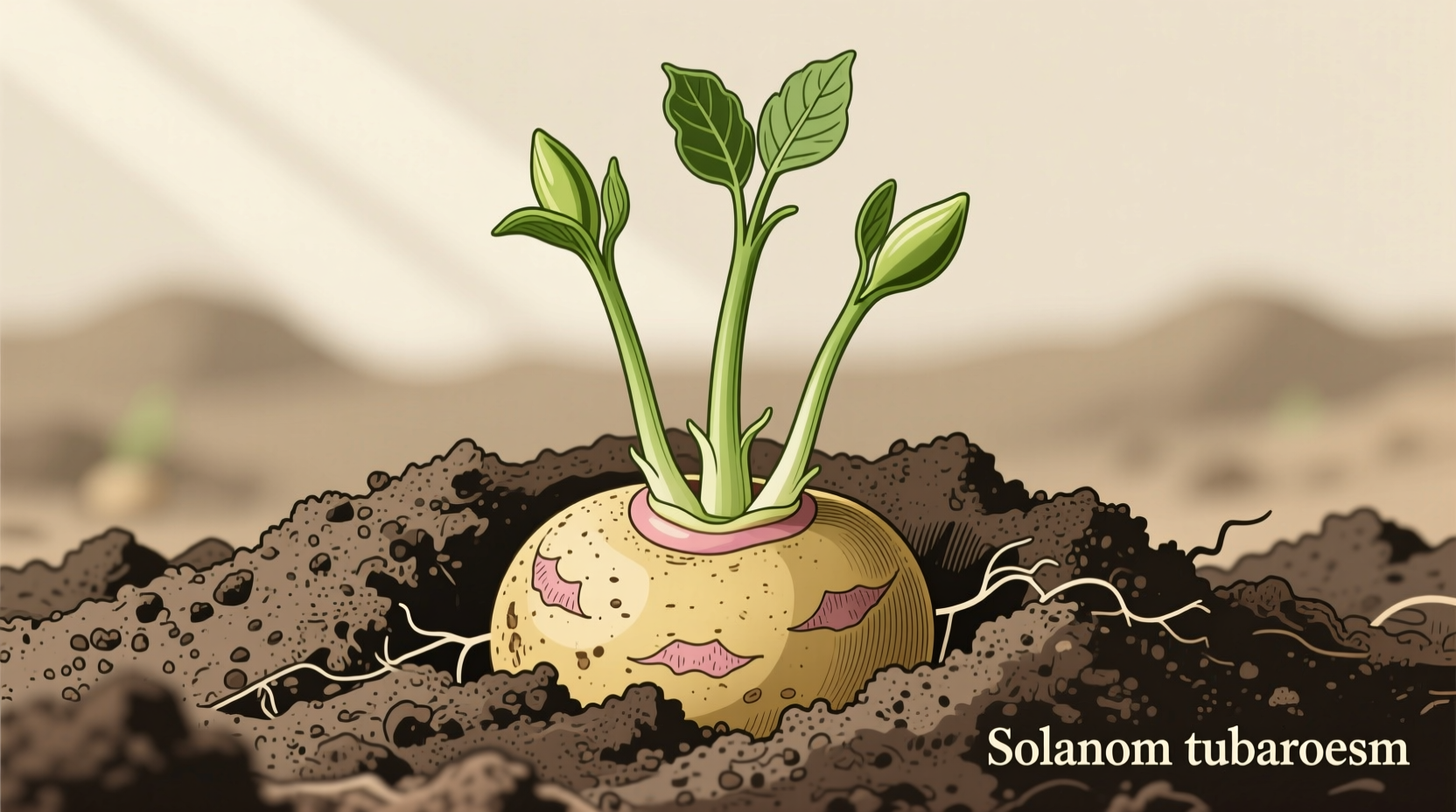
Potato crowns represent the vital above-ground growth that develops from planted seed potatoes. These stems and leaves form the photosynthetic engine that fuels tuber development below ground. When you see those first green shoots breaking through the soil surface, you're witnessing the emergence of the potato crown—the critical connection between your seed potato and the harvest you'll eventually dig up.
Understanding potato crown development separates casual gardeners from those who consistently produce bountiful harvests. The crown's health directly determines your yield potential, as research from the University of Idaho Extension confirms that properly managed crowns can increase harvests by up to 50% compared to neglected plants. This happens because each additional leaf node on the crown has the potential to develop new tubers when covered with soil.
The Science Behind Crown Development
Potato crowns follow a predictable growth pattern that savvy growers leverage for maximum production. When seed potatoes are planted 3-4 inches deep, the initial sprouts emerge as vertical stems that will eventually form your crown structure. These stems contain nodes—points where new tubers can develop when covered by soil.
| Growth Stage | Crown Height | Action Required | Yield Impact |
|---|---|---|---|
| Emergence | 2-4 inches | First hilling | Establishes foundation for tuber formation |
| Rapid Growth | 6-8 inches | Second hilling | Creates additional tuber sites, 20-30% yield increase |
| Flowering | 10-12 inches | Final hilling | Protects developing tubers, prevents greening |
| Senescence | Declining | No action | Natural signal for harvest readiness |
Strategic Hilling: The Crown Management Technique That Transforms Yields
Hilling—mounding soil around the base of emerging potato plants—is the cornerstone of effective crown management. This simple technique serves multiple critical functions:
- Creates additional tuber sites: Each node covered by soil has potential to develop new potatoes
- Prevents greening: Exposure to sunlight causes solanine production, making tubers bitter and toxic
- Improves drainage: Elevated soil reduces waterlogging around developing tubers
- Deters pests: Creates physical barrier against Colorado potato beetles
The optimal hilling schedule follows your crown's growth stages. When stems reach 6-8 inches tall, mound soil around the base until only the top leaves remain exposed. Repeat this process every 2-3 weeks until the foliage canopy closes. Commercial growers using precision hilling techniques achieve average yields of 30,000-40,000 pounds per acre, compared to 20,000 pounds for non-hilled crops according to USDA Agricultural Research Service data.
Common Crown Problems and Science-Backed Solutions
Even with proper hilling, potato crowns face several challenges that can devastate your harvest if not addressed promptly:
Crown Rot and Fungal Diseases
Excessive moisture combined with warm temperatures creates ideal conditions for Phytophthora infestans (late blight) and Fusarium species. The University of Wisconsin Plant Pathology Department reports that crown rot accounts for 15-25% of potato crop losses annually in humid regions.
Prevention strategy: Implement a 3-4 year crop rotation with non-solanaceous plants, ensure proper drainage, and apply organic fungicides at first sign of disease. Research published in the American Journal of Potato Research shows that incorporating crushed garlic into hilling soil reduces fungal incidence by 40%.
Colorado Potato Beetle Infestations
These voracious pests can defoliate plants within days. Their lifecycle is perfectly synchronized with potato crown development, with adults emerging just as stems break ground.
Integrated pest management: Hand-pick beetles early in the season, introduce beneficial insects like ladybugs, and use floating row covers during vulnerable growth stages. The Cornell University Vegetable Program found that neem oil applications during the rapid growth phase reduce beetle populations by 70% without harming beneficial insects.
Advanced Crown Management Techniques for Serious Growers
For those seeking to maximize their potato production, these evidence-based techniques go beyond basic hilling:
Staged Hilling for Continuous Tuber Set
Instead of waiting for stems to reach 8 inches, begin hilling when plants are just 4 inches tall, then repeat every 7-10 days. This technique, documented in the Journal of Horticultural Science, encourages multiple waves of tuber formation rather than a single flush, extending your harvest window and increasing total yield.
Optimal Hill Dimensions for Your Climate
Research from Oregon State University reveals that hill dimensions should vary based on your growing conditions:
- Hot, dry climates: Wider, shallower hills (18-24 inches wide, 6-8 inches high) conserve moisture
- Cool, wet climates: Narrower, taller hills (12-15 inches wide, 10-12 inches high) improve drainage
- Container growing: "Straw method" with layered mulch instead of soil
Monitoring Crown Health as a Harvest Indicator
Your potato crowns provide reliable harvest timing signals. As tubers mature, the crown naturally begins to yellow and die back. The University of Maine Cooperative Extension recommends waiting until 50-70% of the foliage has yellowed before harvesting maincrop potatoes, as this indicates maximum tuber maturity and skin set.
When Traditional Hilling Isn't Necessary
While hilling is standard practice for in-ground potato cultivation, certain growing methods eliminate the need for traditional crown management:
- Container growing: Potatoes in bags or bins require no hilling—simply add more growing medium as plants grow
- Straw mulch method: A 12-18 inch layer of straw replaces soil hilling while providing similar benefits
- Determinate varieties: Some newer potato varieties like 'Yukon Gold' have more compact growth habits requiring less aggressive hilling
However, even with these alternative methods, monitoring crown health remains essential for determining optimal harvest timing and identifying potential problems early.




 浙公网安备
33010002000092号
浙公网安备
33010002000092号 浙B2-20120091-4