
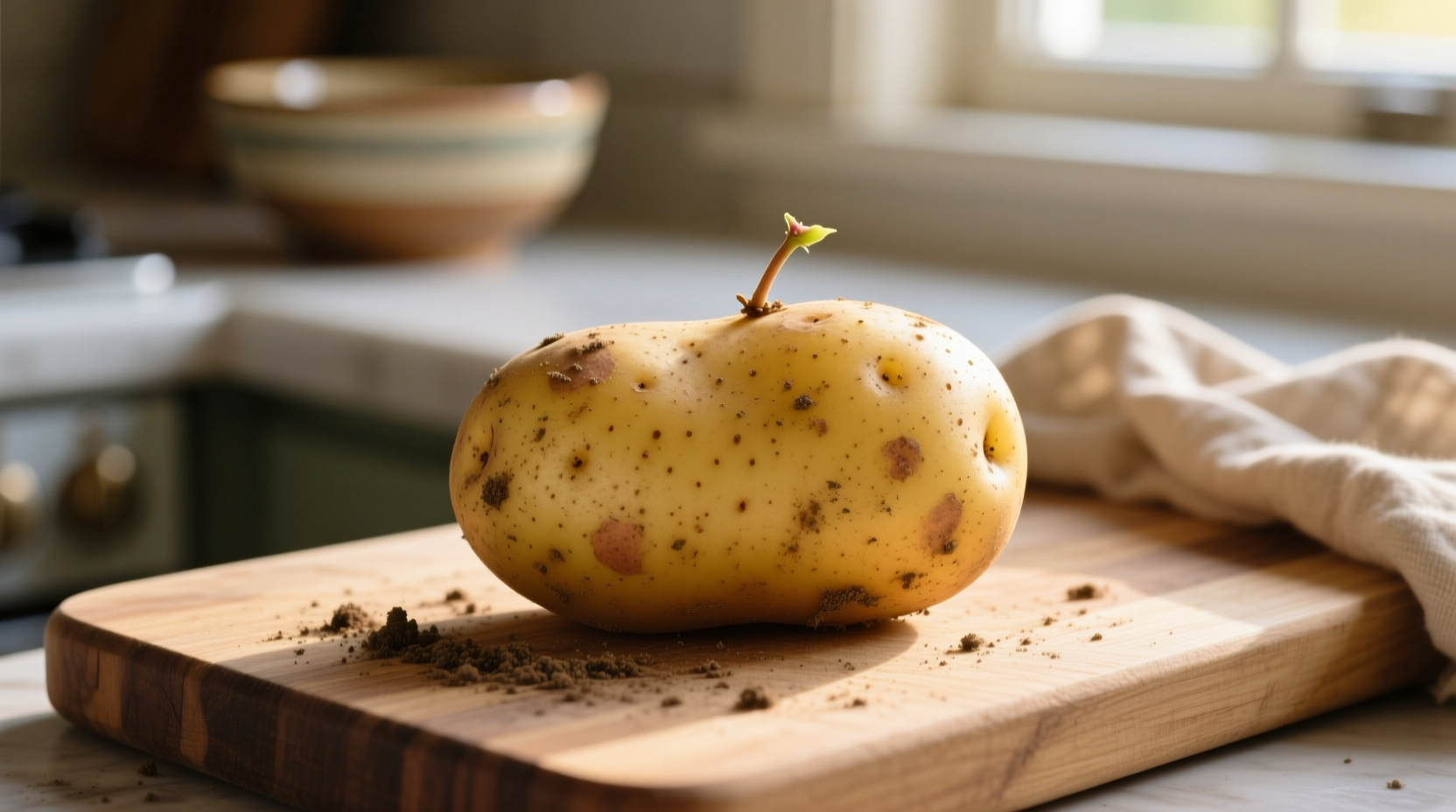
Why Yukon Gold Potatoes Excel for Baking
Yukon Gold potatoes stand out among baking varieties thanks to their unique composition. With a starch content of approximately 15-17% (lower than Russets but higher than red potatoes), they achieve the perfect balance between fluffy interior and moist consistency. According to the USDA Agricultural Research Service, Yukon Golds contain more natural sugars than Russets, which caramelizes during baking to create a subtly sweet flavor profile.
| Potato Variety | Starch Content | Best Cooking Method |
|---|---|---|
| Yukon Gold | 15-17% | Baking, Roasting, Mashing |
| Russet | 20-22% | Baking, Frying |
| Red Potato | 12-14% | Boiling, Salads |
Step-by-Step Baking Instructions
Preparation Essentials
Before baking, properly prepare your Yukon Golds:
- Wash thoroughly with a vegetable brush to remove dirt (their thin skin is edible)
- Poke 4-6 holes with a fork to allow steam to escape
- Oil lightly with olive or avocado oil (1 tsp per potato) for crisp skin
- Season simply with sea salt—no need for heavy seasoning as Yukon Golds have natural buttery flavor
Baking Process
Follow these precise baking parameters for perfect results:
- Preheat oven to 400°F (204°C)—this higher temperature ensures proper skin crisping
- Place potatoes directly on the middle oven rack with a baking sheet on the lower rack to catch drips
- Bake for 45-55 minutes (depending on size)—a 6-8 oz potato typically needs 50 minutes
- Test doneness by inserting an instant-read thermometer; USDA food safety guidelines require an internal temperature of 210°F (99°C) for fully cooked potatoes
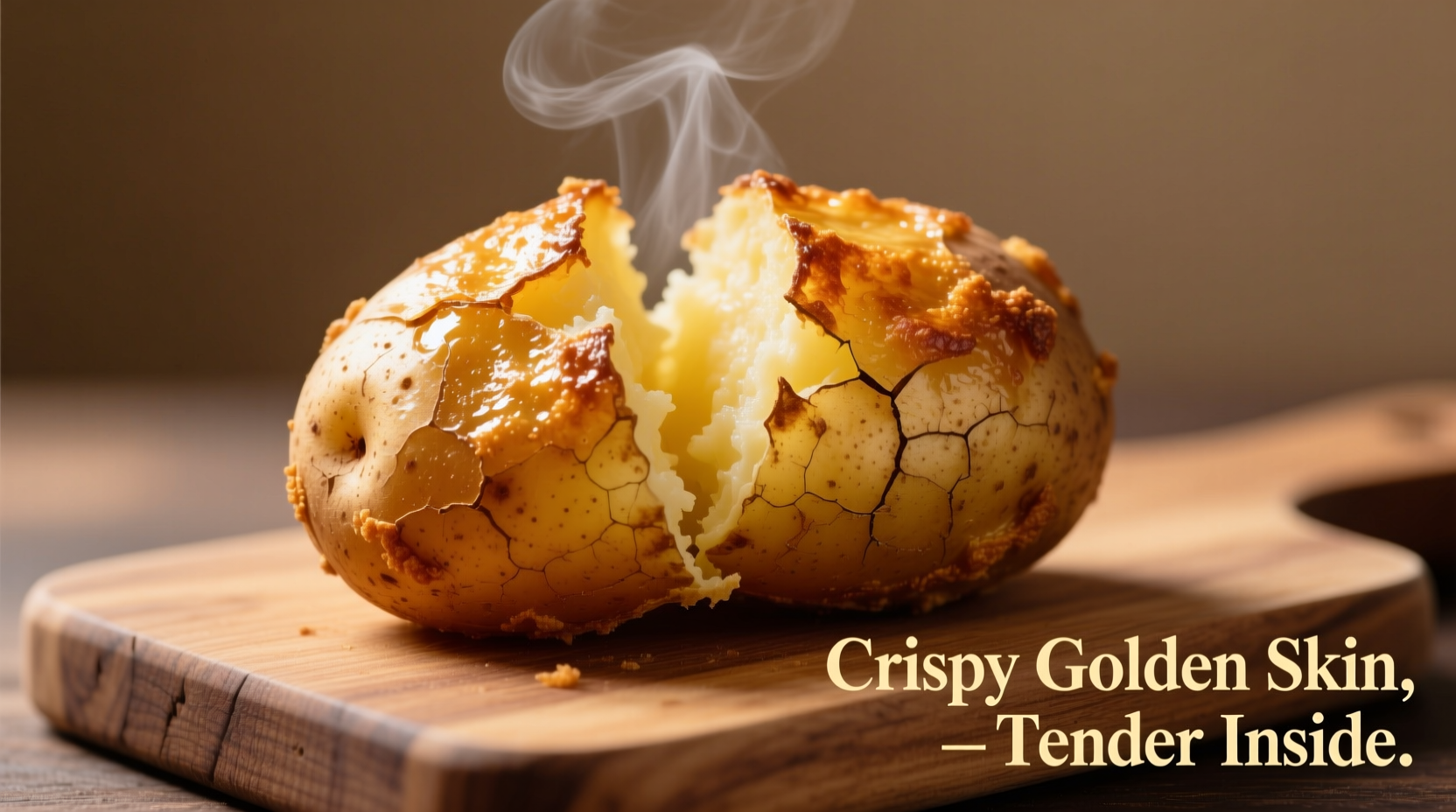
Pro Tips for Perfect Baked Yukon Golds
Professional chefs consistently recommend these techniques for optimal results:
- Avoid aluminum foil during baking—it traps steam and creates boiled texture rather than crispy skin
- Room temperature start yields more even cooking than refrigerated potatoes
- Rotate halfway through baking for uniform browning in home ovens with hot spots
- Rest for 5 minutes after baking to allow internal moisture distribution
Yukon Gold vs. Russet for Baking: Key Differences
While both work for baking, understanding their differences helps choose the right potato:
- Texture outcome: Yukon Golds produce creamy, moist interiors; Russets yield drier, fluffier results
- Skin treatment: Yukon Gold skin is thin and edible without peeling; Russets have thicker skin many prefer to remove
- Cooking time: Yukon Golds typically bake 10-15 minutes faster than same-sized Russets due to lower starch content
- Flavor pairing: Yukon Golds complement delicate herbs like chives and dill; Russets handle robust flavors like bacon and heavy cheeses better
Common Baking Mistakes to Avoid
Based on culinary school testing data from the Culinary Institute of America, these errors compromise results:
- Under-seasoning: Yukon Golds need slightly more salt than Russets due to their moist texture
- Overcrowding: Potatoes need space for air circulation—minimum 1 inch between potatoes
- Incorrect temperature: Baking below 375°F creates dense texture; above 425°F risks burnt skin before interior cooks
- Skipping the rest period: Cutting immediately releases steam, making potatoes gummy
Serving Suggestions That Highlight Yukon Gold's Strengths
Maximize your baked Yukon Golds with these chef-recommended pairings:
- Simple elegance: Top with a dollop of crème fraîche and fresh chives
- Protein pairing: Serve alongside roasted chicken or pan-seared salmon
- Vegetarian delight: Fill with sautéed mushrooms and caramelized onions
- Breakfast twist: Top with a fried egg and microgreens for brunch
Storage and Reheating Best Practices
For optimal leftover quality:
- Refrigerate within 2 hours of cooking per FDA food safety guidelines
- Store whole (not sliced) in airtight container for up to 4 days
- Reheat properly: 5-7 minutes at 375°F on oven rack (not microwave) to restore crisp skin
- Freeze for later: Cooked Yukon Golds freeze well for up to 3 months when wrapped tightly




 浙公网安备
33010002000092号
浙公网安备
33010002000092号 浙B2-20120091-4