
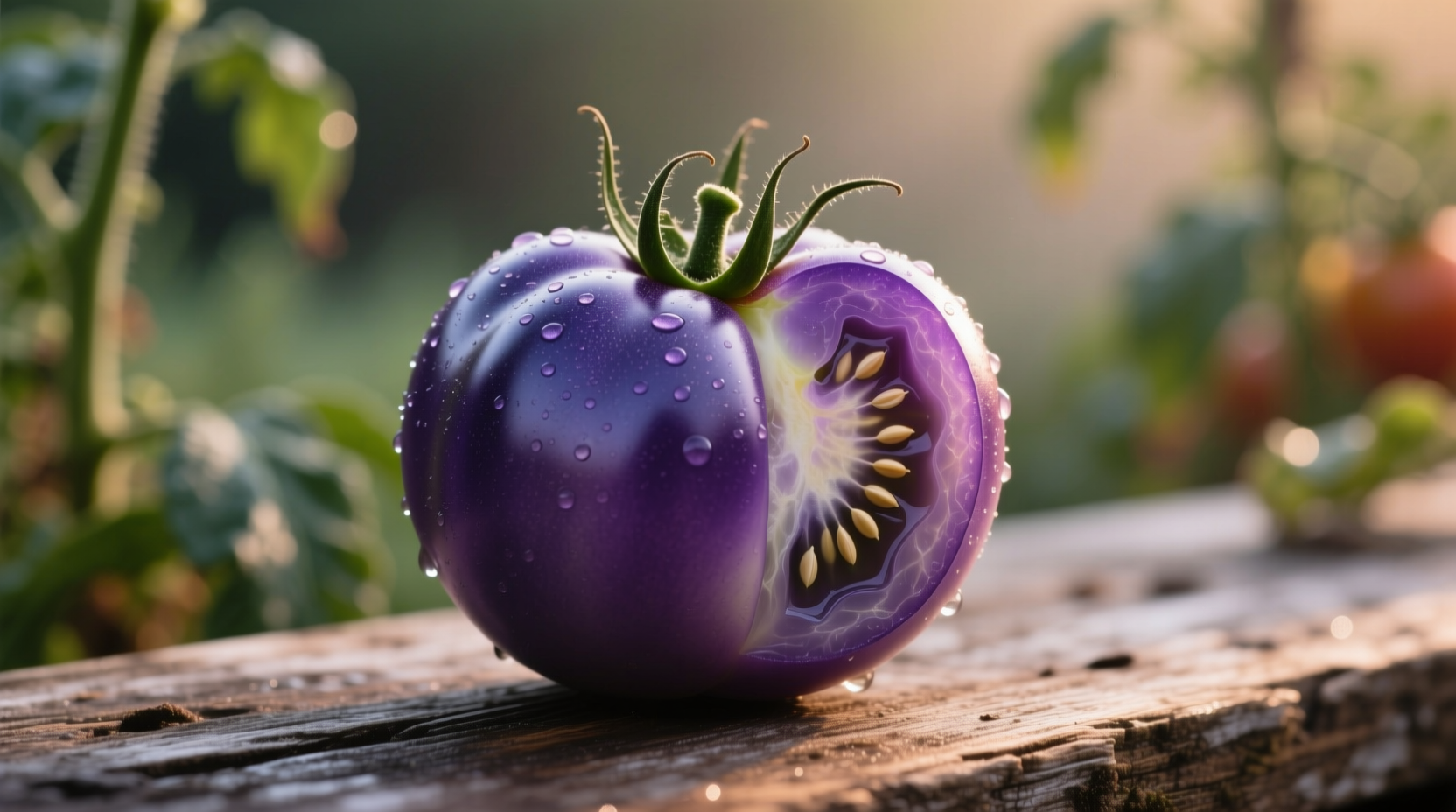
Discover why gardeners and nutrition enthusiasts are flocking to grow Indigo Rose tomatoes, the striking purple variety that redefines what tomatoes can offer. This comprehensive guide delivers everything you need to successfully cultivate, harvest, and enjoy these antioxidant-packed gems—from understanding their unique ripening process to maximizing their nutritional benefits in your kitchen.
What Makes Indigo Rose Tomatoes Unique
Developed through traditional breeding at Oregon State University and released in 2011, Indigo Rose represents a breakthrough in tomato nutrition. Unlike purple tomato varieties created through genetic modification, Indigo Rose was developed using conventional cross-breeding techniques that activated naturally occurring anthocyanin production in tomatoes.
The distinctive color transformation—from nearly black when immature to deep purple-red when ripe—serves a biological purpose. The anthocyanins act as natural sunscreen, protecting the developing fruit from sun damage while increasing antioxidant concentration. This natural adaptation makes Indigo Rose particularly valuable for gardeners in sunny climates.
| Characteristic | Indigo Rose Tomato | Standard Red Tomato |
|---|---|---|
| Primary Antioxidants | Anthocyanins + lycopene | Lycopene only |
| Color Development | Purple-black to red with purple shoulders | Green to uniform red |
| Antioxidant Levels | Approximately 10x higher | Baseline levels |
| Ripening Indicator | Red blush appears under purple skin | Color change throughout |
Understanding the Ripening Timeline
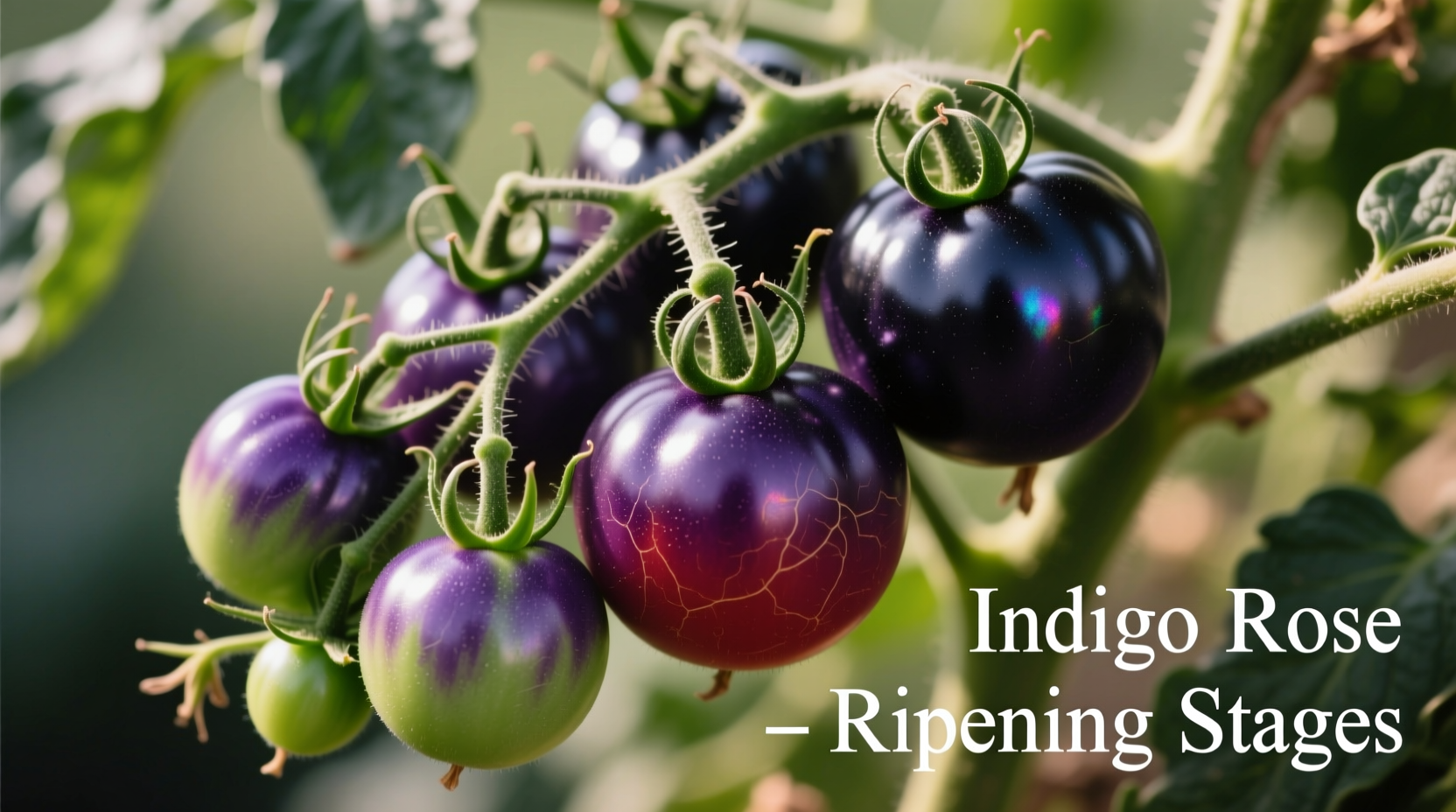
One of the most challenging aspects of growing Indigo Rose tomatoes is determining the perfect harvest time. Unlike conventional tomatoes that change color uniformly, Indigo Rose requires careful observation of subtle color shifts:
- Immature stage (30-45 days): Fruit appears nearly black with green shoulders—do not harvest
- Intermediate stage (45-60 days): Purple color intensifies, but fruit remains firm—still developing
- Ripening stage (60-75 days): Red blush becomes visible beneath purple skin, especially on the bottom
- Optimal harvest (65-80 days): Approximately 50% red showing through purple, with slight give when gently squeezed
Harvesting too early results in underdeveloped flavor and texture, while waiting too long can cause the purple pigments to fade completely, losing the distinctive appearance and some antioxidant benefits. The Oregon State University Extension Service confirms that peak anthocyanin levels occur when the fruit shows about 30-50% red coloration beneath the purple skin.
Growing Requirements and Best Practices
While Indigo Rose shares many requirements with standard tomatoes, its unique characteristics demand specific attention:
Optimal Growing Conditions
Indigo Rose performs best in USDA hardiness zones 5-10 with at least 6-8 hours of direct sunlight daily. Unlike many heirloom varieties, it demonstrates good disease resistance to common tomato ailments including fusarium wilt and verticillium wilt. The Cornell University Gardeners' Resource emphasizes that consistent moisture is critical during fruit development—fluctuating water levels can cause the distinctive purple skin to crack.
Key planting considerations:
- Start seeds indoors 6-8 weeks before last frost date
- Transplant outdoors when soil temperature reaches 60°F (15°C)
- Space plants 24-36 inches apart for proper air circulation
- Use cages or stakes early—the heavy fruit can break branches
Specialized Care Requirements
The anthocyanin-rich skin requires particular attention:
- Sun exposure management: While full sun is necessary for anthocyanin production, extreme heat (above 90°F/32°C) can cause sunscald on the purple areas—consider partial shading during heatwaves
- Fertilization: Avoid high-nitrogen fertilizers that promote leaf growth at the expense of fruit development and color intensity
- Watering: Maintain consistent moisture levels—irregular watering causes the purple skin to split
Nutritional Benefits Backed by Research
The distinctive purple color isn't just for show—it indicates significant nutritional advantages. According to research published in the Journal of Agricultural and Food Chemistry, Indigo Rose tomatoes contain anthocyanins at concentrations comparable to blueberries, with levels reaching up to 400 mg per kilogram of fruit.
These anthocyanins provide:
- Enhanced antioxidant protection against cellular damage
- Potential cardiovascular health benefits
- Anti-inflammatory properties
- Complementary health benefits alongside traditional tomato nutrients like lycopene and vitamin C
Unlike many specialty produce items, the nutritional advantages of Indigo Rose are preserved through cooking. Research from the OSU Food Innovation Center shows that anthocyanins in Indigo Rose maintain stability through common cooking processes, making them valuable for both fresh and cooked applications.
Harvesting and Storage Techniques
Proper harvesting maximizes both flavor and nutritional value:
When to Harvest
Look for these indicators that your Indigo Rose tomatoes are ready for picking:
- Approximately 50% of the skin shows red coloration beneath the purple
- Fruit yields slightly when gently squeezed
- Shoulders (top near stem) begin showing red blush
- Fruit separates easily from the stem with a gentle twist
Never harvest when the fruit is completely purple—this indicates immaturity. Similarly, waiting until the purple has completely disappeared means you've missed the peak antioxidant window.
Storage Recommendations
Like all tomatoes, Indigo Rose should be stored at room temperature away from direct sunlight. Refrigeration damages the texture and flavor compounds. For best results:
- Store stem-side down on a countertop
- Use within 3-5 days of full ripening
- Never wash until ready to use—moisture accelerates spoilage
Culinary Applications and Flavor Profile
Indigo Rose offers a complex flavor profile that differs from standard tomatoes:
When fully ripe, these tomatoes deliver a rich, sweet-tart balance with earthy undertones. The flesh is dense with fewer seed cavities than many heirloom varieties, making them excellent for slicing. Their unique appearance makes them stand out in salads, but their flavor shines in both raw and cooked applications.
Best culinary uses:
- Caprese salad: The purple-red contrast with mozzarella creates stunning visual appeal
- Sauces and salsas: Maintains color integrity better than many heirlooms when cooked
- Roasted: Concentrates flavors while preserving some purple hues
- Pickled: The firm texture holds up well to pickling processes
Common Growing Challenges and Solutions
While Indigo Rose demonstrates good disease resistance, gardeners may encounter these specific challenges:
Color Development Issues
Problem: Fruit remains completely purple without developing red undertones
Solution: Ensure adequate potassium in soil—this nutrient is critical for color development. A soil test from your local extension service can identify specific deficiencies.
Skin Cracking
Problem: Purple skin develops cracks as fruit matures
Solution: Maintain consistent moisture levels—use mulch to regulate soil moisture and avoid overhead watering that wets the fruit directly.
Limited Fruit Set
Problem: Fewer fruits developing than expected
Solution: Gently shake plants during flowering to improve pollination, especially in greenhouse settings where natural pollinators may be limited.
Why Indigo Rose Stands Out in Your Garden
More than just a novelty, Indigo Rose represents a meaningful advancement in vegetable breeding—combining striking appearance with genuine nutritional benefits. Its development demonstrates how traditional breeding techniques can enhance the health properties of familiar foods without genetic modification.
For gardeners seeking to maximize both visual interest and nutritional value, Indigo Rose delivers exceptional returns. The distinctive color progression provides ongoing visual interest throughout the growing season, while the harvest yields tomatoes with scientifically verified health benefits that surpass conventional varieties.




 浙公网安备
33010002000092号
浙公网安备
33010002000092号 浙B2-20120091-4