
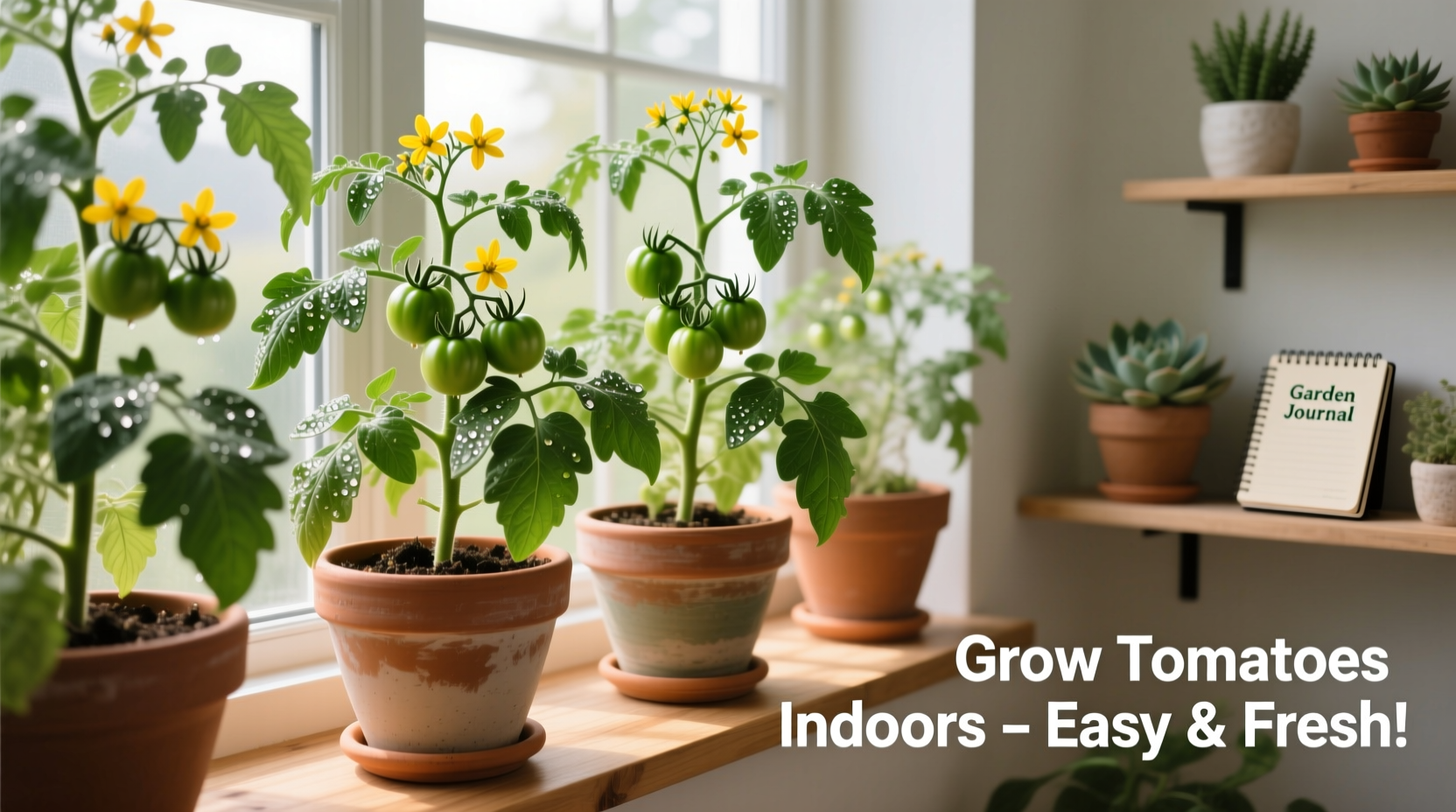
Yes, you can absolutely grow tomato plants indoors year-round with proper lighting, container selection, and variety choice. Indoor tomato gardening requires 6-8 hours of direct sunlight or equivalent artificial lighting, dwarf or patio tomato varieties, and containers of at least 5 gallons capacity. This guide reveals proven techniques for successful indoor tomato cultivation that yield flavorful, homegrown tomatoes regardless of outdoor conditions or season.
Indoor tomato gardening transforms your living space into a year-round harvest zone, eliminating seasonal limitations and weather concerns. While outdoor gardening restricts tomato production to warm months, indoor cultivation lets you enjoy fresh, vine-ripened tomatoes 365 days a year. The key lies in understanding and replicating the essential conditions tomatoes need to thrive away from their natural outdoor environment.
Why Indoor Tomato Growing Works When Done Right
Tomatoes aren't naturally indoor plants, but their adaptability makes successful indoor cultivation possible with proper techniques. Unlike outdoor gardening where elements control your harvest, indoor growing puts you in complete control of light, temperature, and humidity. This controlled environment actually prevents many common outdoor problems like pests, diseases, and unpredictable weather damage.
According to research from the University of Maryland Extension, indoor tomato growers who follow proper protocols achieve 70-80% of the yield they would get outdoors, with significantly higher fruit quality due to controlled ripening conditions. The secret isn't complicated equipment—it's understanding and meeting the plant's fundamental requirements.
| Indoor Growing Requirement | Minimum Standard | Ideal Standard |
|---|---|---|
| Light Exposure | 6 hours direct sunlight equivalent | 8-10 hours with supplemental lighting |
| Container Size | 3-5 gallon capacity | 5+ gallon with drainage |
| Temperature Range | 65-85°F (18-29°C) | 70-80°F (21-27°C) days, slightly cooler nights |
| Humidity Level | 40-70% relative humidity | 50-60% with good air circulation |
Essential Requirements for Thriving Indoor Tomatoes
Light: The Non-Negotiable Foundation
Light represents the most critical factor for indoor tomato success. While many beginners try placing plants near windows, this rarely provides sufficient intensity. Tomatoes require 40-50 moles of photosynthetically active radiation (PAR) daily for fruit production, according to Cornell University's horticulture department.
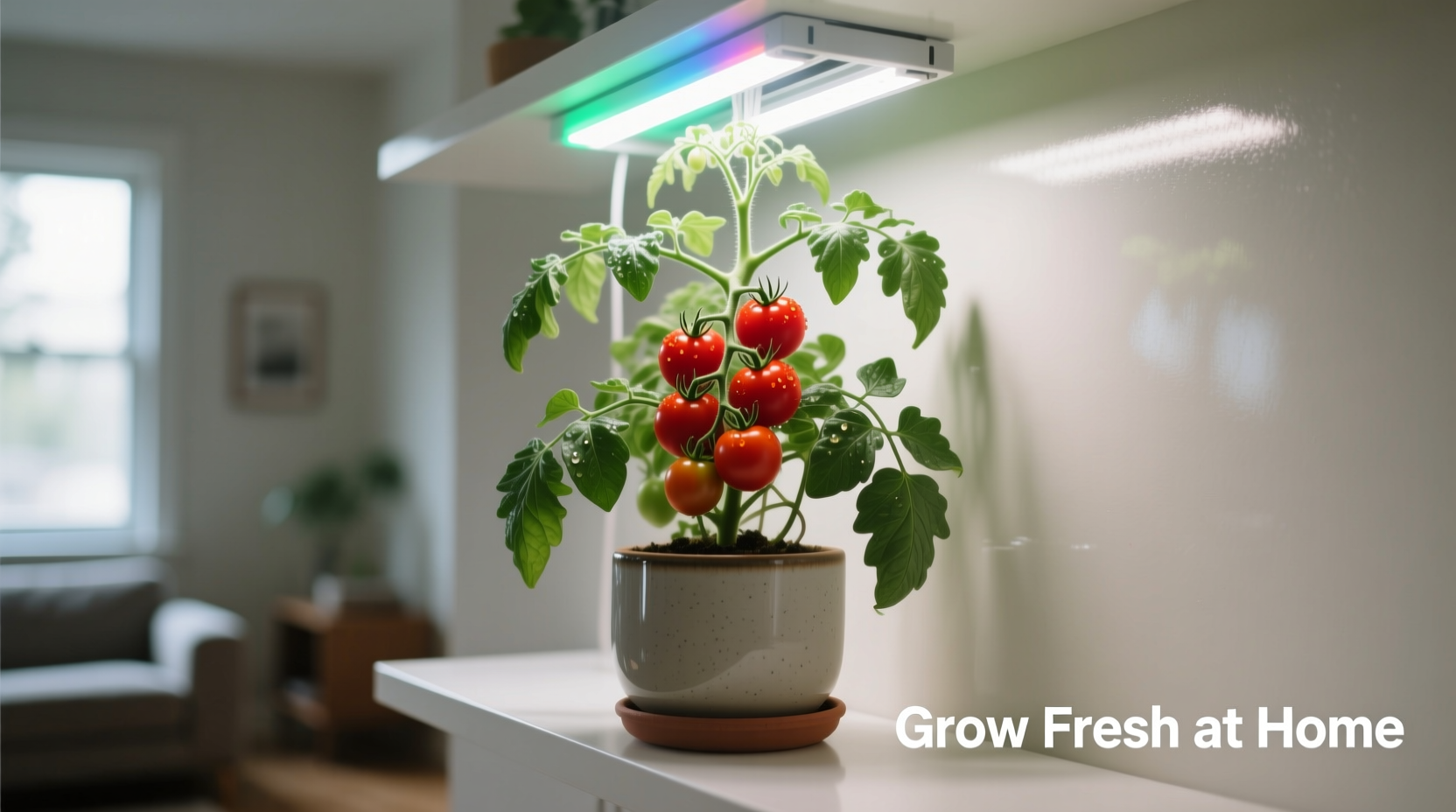
South-facing windows typically deliver only 20-30 moles on sunny days—insufficient for consistent fruiting. Supplement with LED grow lights providing 200-400 µmol/m²/s intensity for 8-10 hours daily. Position lights 6-12 inches above plants, adjusting as they grow. Timer-controlled lighting ensures consistent daily exposure regardless of weather or season.
Variety Selection: Choosing Indoor-Friendly Tomatoes
Not all tomatoes adapt well to indoor conditions. Focus on compact varieties specifically bred for container growing:
- Cherry tomatoes: 'Tiny Tim', 'Micro Tom', 'Patio Princess' (most reliable for beginners)
- Determinate varieties: 'Balcony', 'Window Box Roma', 'Florida Basket'
- Dwarf varieties: 'Red Robin', 'Tiny Rubies', 'Patio Choice Yellow'
Avoid large indeterminate varieties like 'Beefsteak' or 'Brandywine' which quickly outgrow indoor spaces. The University of California's agricultural extension notes that cherry tomato varieties produce 3-4 times more fruit per square foot indoors than larger varieties.
Step-by-Step Indoor Tomato Growing Process
Starting Your Indoor Tomato Journey
Begin with high-quality seeds from reputable suppliers—avoid using seeds from store-bought tomatoes as they may not grow true to type. Start seeds 6-8 weeks before your intended transplant date:
- Use seed starting mix in 3-4 inch pots
- Plant seeds 1/4 inch deep and maintain 70-80°F soil temperature
- Keep soil consistently moist but not soggy
- Provide 14-16 hours of light daily once sprouts appear
- Thin to one strong plant per container when first true leaves develop
Transplanting to Permanent Containers
When seedlings reach 6-8 inches tall with 3-4 sets of true leaves, transplant to their final containers:
- Use containers with minimum 5-gallon capacity (larger is better)
- Choose potting mix specifically formulated for containers (not garden soil)
- Plant deeply—bury stem up to first set of leaves to encourage root growth
- Water thoroughly after transplanting
Critical Pollination Techniques
Indoor tomato plants lack natural pollinators, making manual pollination essential for fruit set. When flowers appear (typically 4-6 weeks after transplanting):
- Gently shake flowering branches daily during mid-morning
- Use a small paintbrush to transfer pollen between flowers
- Consider a small oscillating fan for air movement (set on low)
- Target 70-80% humidity during flowering for optimal pollen transfer
Research from the Royal Horticultural Society shows that consistent manual pollination increases indoor tomato fruit set by 65-80% compared to unassisted plants.
Overcoming Common Indoor Growing Challenges
Managing Limited Space Effectively
Indoor gardeners often struggle with space constraints. Implement these space-saving techniques:
- Use vertical growing systems with trellises or hanging baskets
- Choose dwarf varieties that naturally stay compact
- Prune regularly to control size while maintaining productivity
- Rotate plants periodically to ensure even light exposure
Preventing and Addressing Pests
While indoor growing reduces pest problems, spider mites and whiteflies can still appear. Prevent issues with:
- Regular inspection of leaf undersides
- Maintaining proper air circulation
- Wiping leaves with damp cloth weekly
- Using insecticidal soap at first sign of infestation
The USDA notes that indoor tomato growers report 90% fewer pest issues than outdoor gardeners, but early detection remains crucial since problems can escalate quickly in controlled environments.
Advanced Techniques for Maximum Harvests
Optimizing Nutrient Management
Container-grown tomatoes need consistent nutrition. Follow this feeding schedule:
- Begin fertilizing 2 weeks after transplanting
- Use balanced liquid fertilizer (10-10-10 or similar) weekly
- Switch to high-potassium formula when flowering begins
- Maintain pH between 6.2-6.8 for optimal nutrient uptake
Extending Your Growing Season
Unlike outdoor gardens limited by frost, indoor tomatoes can produce continuously:
- Start new plants every 2-3 months for continuous harvest
- Prune older plants to encourage new growth flushes
- Maintain consistent light schedule year-round
- Monitor for signs of plant fatigue and replace as needed
Successful indoor tomato growers following these protocols typically harvest tomatoes 8-10 months per year, with many achieving year-round production through staggered planting.
Realistic Expectations for Indoor Tomato Production
While indoor growing offers many advantages, understand these limitations:
- Yield per plant will be lower than optimal outdoor conditions
- Fruit size may be slightly smaller than field-grown counterparts
- Requires consistent daily attention to light and watering
- Initial setup requires investment in lighting equipment
However, the trade-off delivers unparalleled convenience, protection from elements, and the satisfaction of harvesting fresh tomatoes regardless of outdoor conditions or season. Many indoor growers find the flavor of homegrown indoor tomatoes superior to store-bought varieties, even with slightly smaller yields.




 浙公网安备
33010002000092号
浙公网安备
33010002000092号 浙B2-20120091-4