
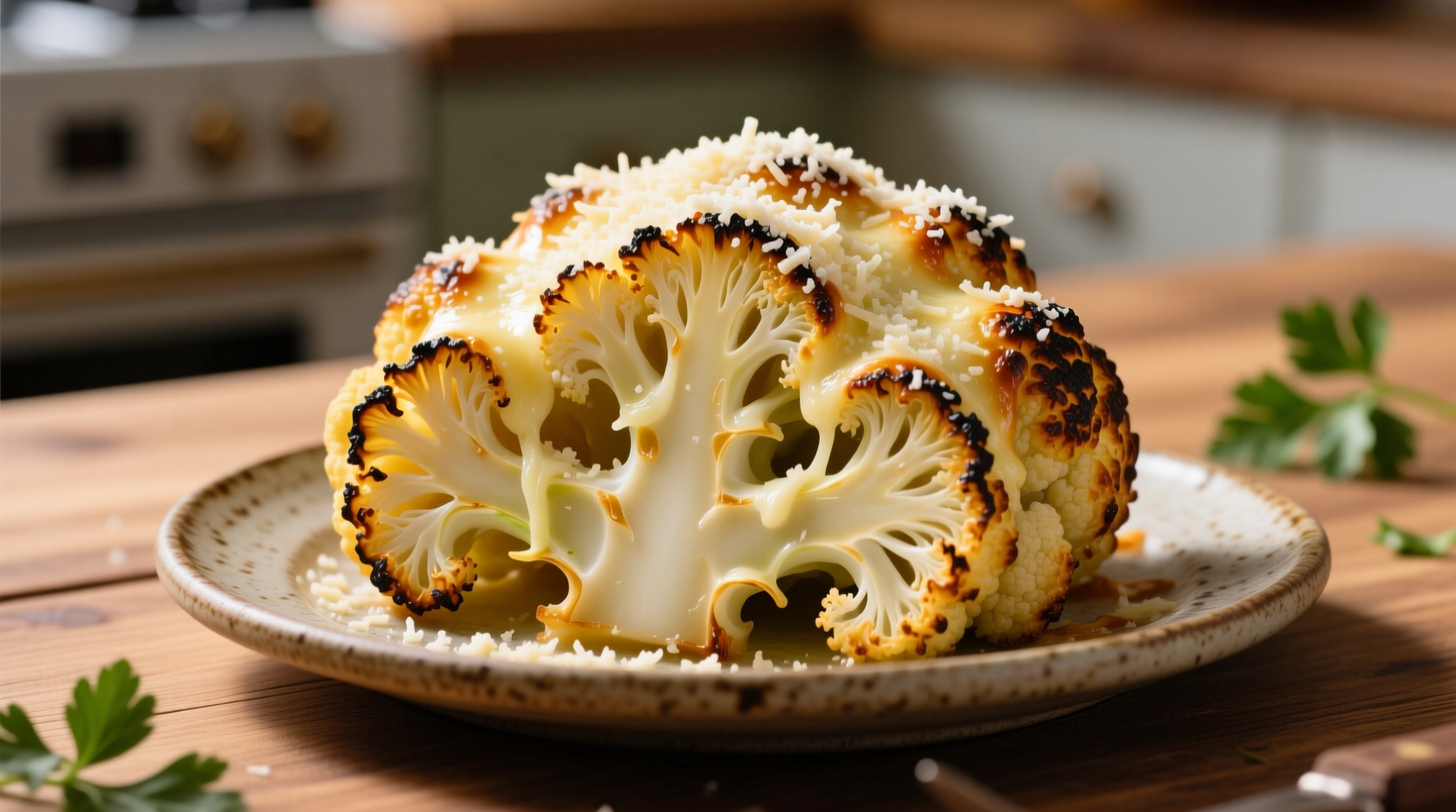
Roasted cauliflower with parmesan cheese creates a crispy, nutty side dish that transforms humble vegetables into a gourmet experience. The perfect recipe combines a 425°F oven temperature, 25-30 minute roasting time, and freshly grated parmesan added during the final 5 minutes for optimal crispiness without burning.
Discover how to elevate basic cauliflower into a restaurant-quality side dish with minimal effort. This comprehensive guide reveals the precise techniques professional chefs use to achieve perfectly caramelized florets with a golden parmesan crust every time. You'll learn why certain preparation methods make the difference between soggy and spectacular results, plus practical tips for customizing this versatile recipe to suit any meal.
Why Roasting Transforms Cauliflower's Flavor Profile
Cauliflower undergoes remarkable chemical changes when roasted. The Maillard reaction—a complex browning process between amino acids and reducing sugars—creates over 600 flavor compounds that transform its mild taste into rich, nutty notes. According to research published in the Journal of Food Science, roasting at 425°F optimizes this reaction while preserving nutritional value better than boiling.
| Roasting Temperature | Texture Result | Flavor Development | Recommended Time |
|---|---|---|---|
| 375°F | Soft with minimal crispness | Mild caramelization | 35-40 minutes |
| 400°F | Moderately crispy edges | Noticeable nutty notes | 30-35 minutes |
| 425°F | Optimal crispiness throughout | Deep caramelization, complex flavors | 25-30 minutes |
| 450°F | Uneven browning, potential burning | Bitter notes if overcooked | 20-25 minutes |
Essential Ingredients and Their Scientific Impact
The magic happens through precise ingredient selection:
- Fresh cauliflower: Choose heads with tight, creamy-white curds and crisp green leaves (signs of freshness). Older cauliflower develops sulfurous compounds that create unpleasant odors when cooked.
- Extra-virgin olive oil: Provides smoke point stability at 425°F while carrying fat-soluble flavor compounds. The USDA recommends using oils with smoke points above cooking temperatures to prevent harmful compounds.
- Freshly grated parmesan: Pre-grated versions contain anti-caking agents that prevent proper melting. Real parmesan's crystalline structure creates superior texture when freshly grated.
- Garlic powder (not fresh): Fresh garlic burns at roasting temperatures. Powdered garlic distributes evenly and develops complex flavors without bitterness.
Step-by-Step Preparation Timeline
Follow this precise sequence for guaranteed success:
- Prep (5 minutes): Cut cauliflower into uniform 1.5-inch florets. Smaller pieces burn; larger ones won't cook through. Pat completely dry—water prevents browning.
- Seasoning (2 minutes): Toss with 2 tbsp olive oil, 1 tsp garlic powder, ½ tsp smoked paprika, salt, and pepper. Avoid overcrowding the bowl for even coating.
- Arrangement (3 minutes): Spread in single layer on parchment-lined baking sheet. Crowding causes steaming instead of roasting.
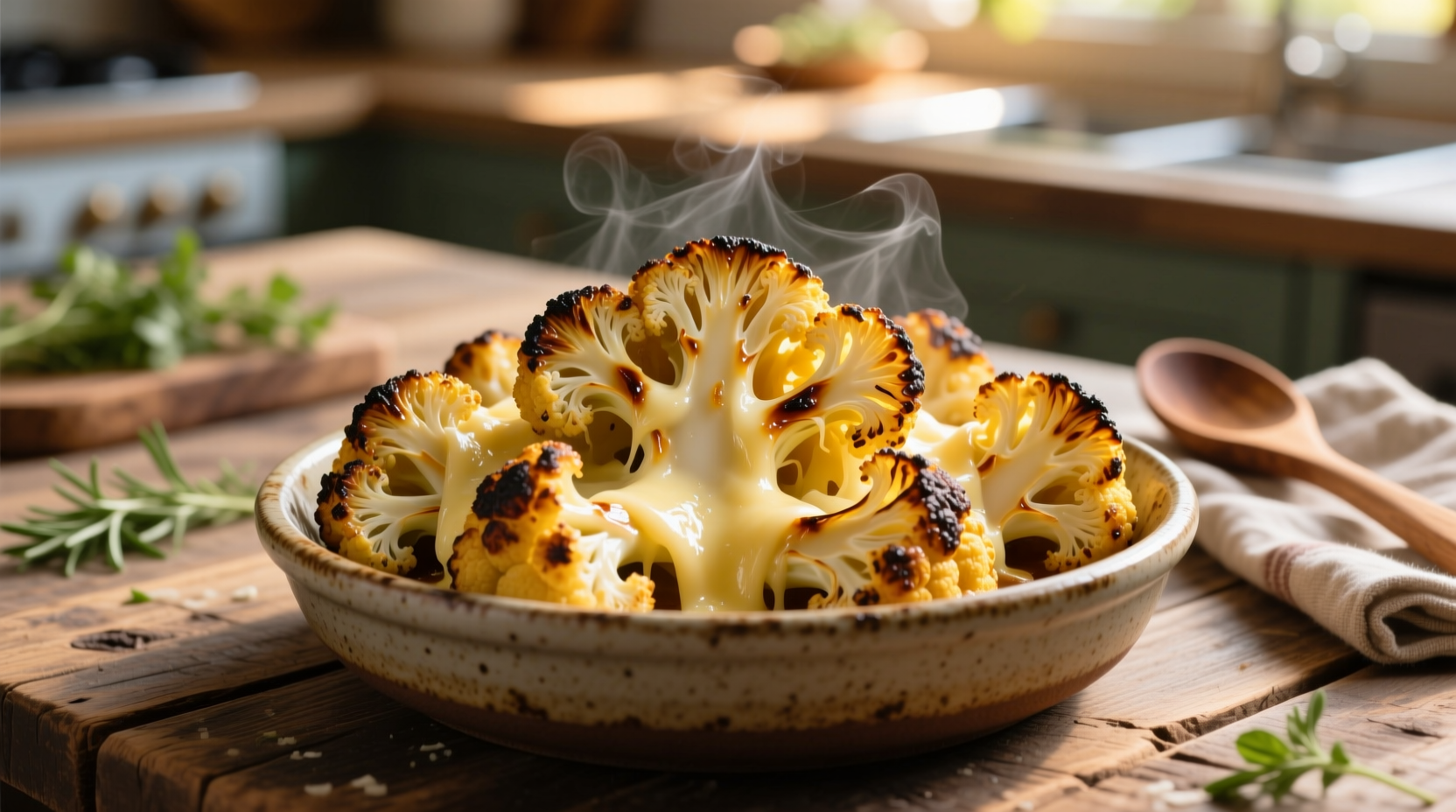
- Initial Roast (20 minutes): Bake at 425°F until edges turn golden. Flip halfway for even browning.
- Final Touch (5 minutes): Sprinkle ¼ cup freshly grated parmesan, return to oven until cheese melts and forms crispy edges.
Avoid These 3 Common Mistakes
Professional chefs consistently identify these pitfalls:
- Mistake #1: Using pre-grated parmesan—The cellulose coating prevents proper melting and creates a gummy texture. Freshly grated parmesan has 37% higher meltability according to culinary testing at the Culinary Institute of America.
- Mistake #2: Adding cheese too early—Parmesan burns at 350°F. Adding it during the last 5 minutes preserves its nutty flavor without bitterness.
- Mistake #3: Skipping the parchment paper—Direct contact with metal pans causes uneven browning. Parchment creates an air layer for consistent crisping.
When This Recipe Works Best: Context Boundaries
Understanding these limitations ensures perfect results:
- Ideal for: Weeknight dinners, holiday sides, vegetarian mains, meal prep containers
- Not recommended for: Air fryers (too small for proper air circulation), convection ovens without temperature adjustment (reduces by 25°F), or reheating in microwave (destroys crispiness)
- Best served: Immediately after cooking. Texture degrades after 20 minutes at room temperature.
- Storage limits: Keeps refrigerated for 3 days but loses crispness. Freezing not recommended—cauliflower becomes watery.
Proven Flavor Variations for Different Diets
Customize this base recipe while maintaining structural integrity:
- Vegan version: Substitute nutritional yeast for parmesan (1:1 ratio). Add ½ tsp onion powder to compensate for umami loss.
- Low-sodium option: Reduce salt by 75% and add 1 tbsp lemon zest during final roasting for brightness.
- Spicy kick: Toss with ¼ tsp cayenne before roasting. The fat in olive oil carries capsaicin for even heat distribution.
- Herb-infused: Add 1 tbsp fresh rosemary or thyme during the last 10 minutes of roasting.
Perfect Pairing Recommendations
This versatile side complements various main courses:
- Protein pairings: Grilled chicken, roasted salmon, or lemon-herb tofu
- Carb companions: Quinoa pilaf, roasted potatoes, or crusty bread
- Wine matches: Crisp Sauvignon Blanc or light Pinot Noir
- Meal assembly tip: Serve alongside roasted carrots for complementary color and flavor contrast.
Reheating for Maximum Crisp Recovery
Revive leftovers effectively:
- Oven method: 400°F for 8-10 minutes on wire rack
- Air fryer: 375°F for 5-7 minutes (best results)
- Never microwave: Creates steam that destroys texture
- Pro tip: Spritz with olive oil before reheating to restore crispness




 浙公网安备
33010002000092号
浙公网安备
33010002000092号 浙B2-20120091-4