
The Science Behind Garlic and Gas: What Really Happens in Your Gut
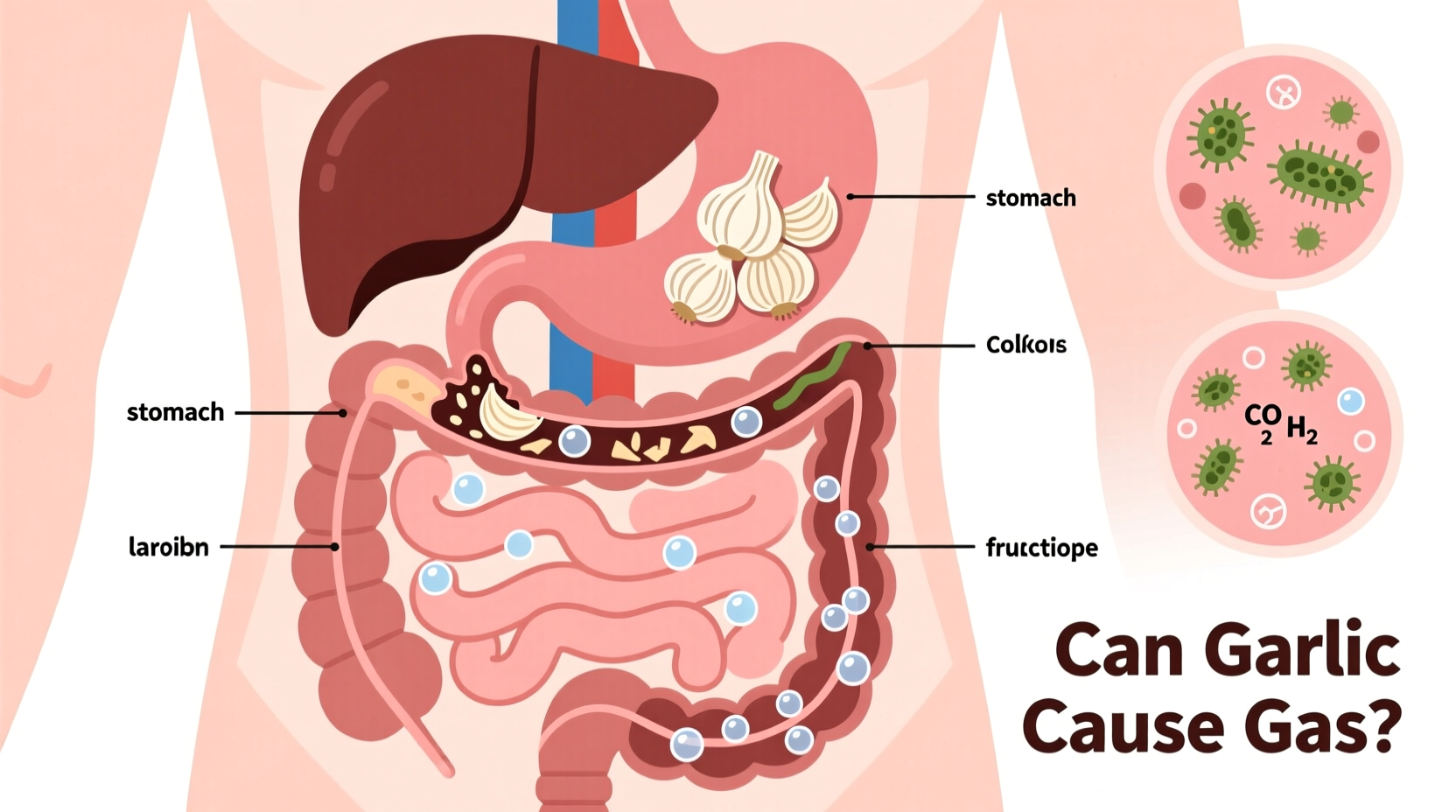
Garlic contains significant amounts of fructans, a specific type of fermentable carbohydrate classified under FODMAPs (Fermentable Oligosaccharides, Disaccharides, Monosaccharides, and Polyols). When you consume garlic, these fructans travel undigested to your large intestine where gut bacteria ferment them, producing hydrogen, methane, and carbon dioxide gases.
According to research published in the Journal of Gastroenterology and Hepatology, fructans are among the most potent gas-producing FODMAPs, often causing more significant symptoms than lactose or fructose in sensitive individuals. This fermentation process explains why you might experience bloating, cramps, or excessive flatulence within 1-3 hours after eating garlic-rich dishes.
Who's Most Likely to Experience Garlic-Induced Gas?
Not everyone reacts to garlic the same way. Your susceptibility depends primarily on two factors:
- Your gut microbiome composition: People with higher concentrations of gas-producing bacteria experience more pronounced symptoms
- Underlying digestive conditions: Those with irritable bowel syndrome (IBS) or small intestinal bacterial overgrowth (SIBO) are particularly sensitive
The International Foundation for Gastrointestinal Disorders reports that approximately 70% of IBS patients identify garlic as a trigger food. However, even people without diagnosed conditions can experience mild gas from large garlic servings—especially when consumed raw.
Garlic Forms Compared: Which Causes the Least Gas?
| Garlic Form | Fructan Content | Gas Risk Level | Best For |
|---|---|---|---|
| Raw garlic (1 clove) | High (1.5g fructans) | ★★★★★ | Maximum allicin benefits |
| Cooked garlic | Moderate (0.8g) | ★★★☆☆ | General cooking |
| Black garlic | Low (0.3g) | ★☆☆☆☆ | IBS-sensitive individuals |
| Garlic oil | Negligible | ★☆☆☆☆ | Flavor without gas |
| Garlic supplements | Variable | ★★★☆☆ | Controlled dosing |
This comparison, based on data from Monash University's FODMAP research, shows that processing methods significantly impact garlic's gas-producing potential. Black garlic undergoes fermentation that breaks down fructans, while garlic oil extracts contain only the volatile compounds without the problematic carbohydrates.
5 Practical Strategies to Enjoy Garlic Without the Gas
1. Modify Your Cooking Technique
Sauté garlic in oil for at least 5 minutes before adding other ingredients. This extended cooking time breaks down some fructans while preserving flavor. Alternatively, try the "garlic infusion" method: warm olive oil with garlic cloves, then remove the garlic before cooking your dish—this transfers flavor without the gas-causing compounds.
2. Start with Small Amounts and Build Tolerance
Begin with 1/4 clove of cooked garlic daily and gradually increase over 2-3 weeks. A 2022 study in Nutrients found that 68% of participants with mild garlic sensitivity developed tolerance through this gradual exposure method.
3. Pair with Digestive Aids
Combine garlic-rich meals with:
- Ginger (natural digestive stimulant)
- Peppermint tea (reduces intestinal spasms)
- Probiotic foods like yogurt (balances gut bacteria)
4. Consider Enzyme Supplements
Alpha-galactosidase enzymes (found in products like Bean-zyme) help break down FODMAPs. Take 1-2 tablets 5 minutes before garlic-containing meals. Research from the American College of Gastroenterology shows these can reduce gas production by 40-60% in sensitive individuals.
5. Try Black Garlic as an Alternative
Black garlic's extended fermentation process naturally breaks down fructans while developing complex umami flavors. It contains only about 20% of the fructans found in raw garlic, making it an excellent option for those with moderate sensitivity.
When Garlic Gas Signals Something More Serious
While occasional gas after garlic consumption is normal, consult a healthcare provider if you experience:
- Severe pain that disrupts daily activities
- Blood in stool
- Unintended weight loss
- Symptoms persisting more than 24 hours after garlic consumption
These could indicate underlying conditions like inflammatory bowel disease (IBD) rather than simple food sensitivity. The Crohn's & Colitis Foundation emphasizes that persistent digestive symptoms warrant professional evaluation to rule out serious conditions.
Final Thoughts: Balancing Flavor and Comfort
Garlic's gas-producing properties shouldn't force you to eliminate this health-promoting ingredient from your diet. By understanding your personal tolerance level and applying these practical strategies, most people can continue enjoying garlic's distinctive flavor and numerous health benefits—including its antimicrobial properties and cardiovascular support—without uncomfortable side effects.
Frequently Asked Questions
Why does raw garlic cause more gas than cooked garlic?
Raw garlic contains higher concentrations of intact fructans, which are the gas-producing carbohydrates. Cooking breaks down some of these compounds through heat exposure and enzymatic changes. Sautéing garlic for at least 5 minutes reduces its fructan content by approximately 40% compared to raw consumption, making it less likely to cause significant gas production in the gut.
How much garlic typically causes gas in sensitive individuals?
For people with IBS or FODMAP sensitivity, as little as half a raw garlic clove (about 2 grams) can trigger gas and bloating. Those with normal digestive systems typically need to consume 2-3 cloves at once to experience noticeable symptoms. The Monash University Low FODMAP diet guidelines classify 1 raw garlic clove as 'high FODMAP' and recommend limiting to 1/4 clove for sensitive individuals.
Can garlic supplements cause gas like fresh garlic does?
It depends on the supplement type. Standard garlic powder capsules often contain similar fructan levels to fresh garlic and can cause gas. However, aged garlic extract and odorless garlic supplements have undergone processing that breaks down FODMAPs, making them less likely to cause digestive issues. Always check the label for 'FODMAP-friendly' or 'fructan-reduced' claims if you're sensitive.
Does roasting garlic reduce its gas-producing properties?
Yes, roasting garlic significantly reduces its gas-producing potential. The extended heat exposure during roasting breaks down fructans while caramelizing natural sugars. Whole roasted garlic cloves contain about 50% less fructans than raw garlic. For maximum reduction, roast garlic at 375°F (190°C) for 40-45 minutes until soft and golden brown—this creates a milder flavor with fewer digestive side effects.
How long after eating garlic does gas typically start?
Gas and bloating from garlic typically begin 1-3 hours after consumption, coinciding with when the fructans reach your large intestine. The exact timing varies based on your digestive speed and meal composition. High-fat meals slow gastric emptying, potentially delaying symptoms up to 4-5 hours. For most people, symptoms peak at 3-4 hours post-consumption and resolve within 12-24 hours as the gas is naturally expelled.




 浙公网安备
33010002000092号
浙公网安备
33010002000092号 浙B2-20120091-4