
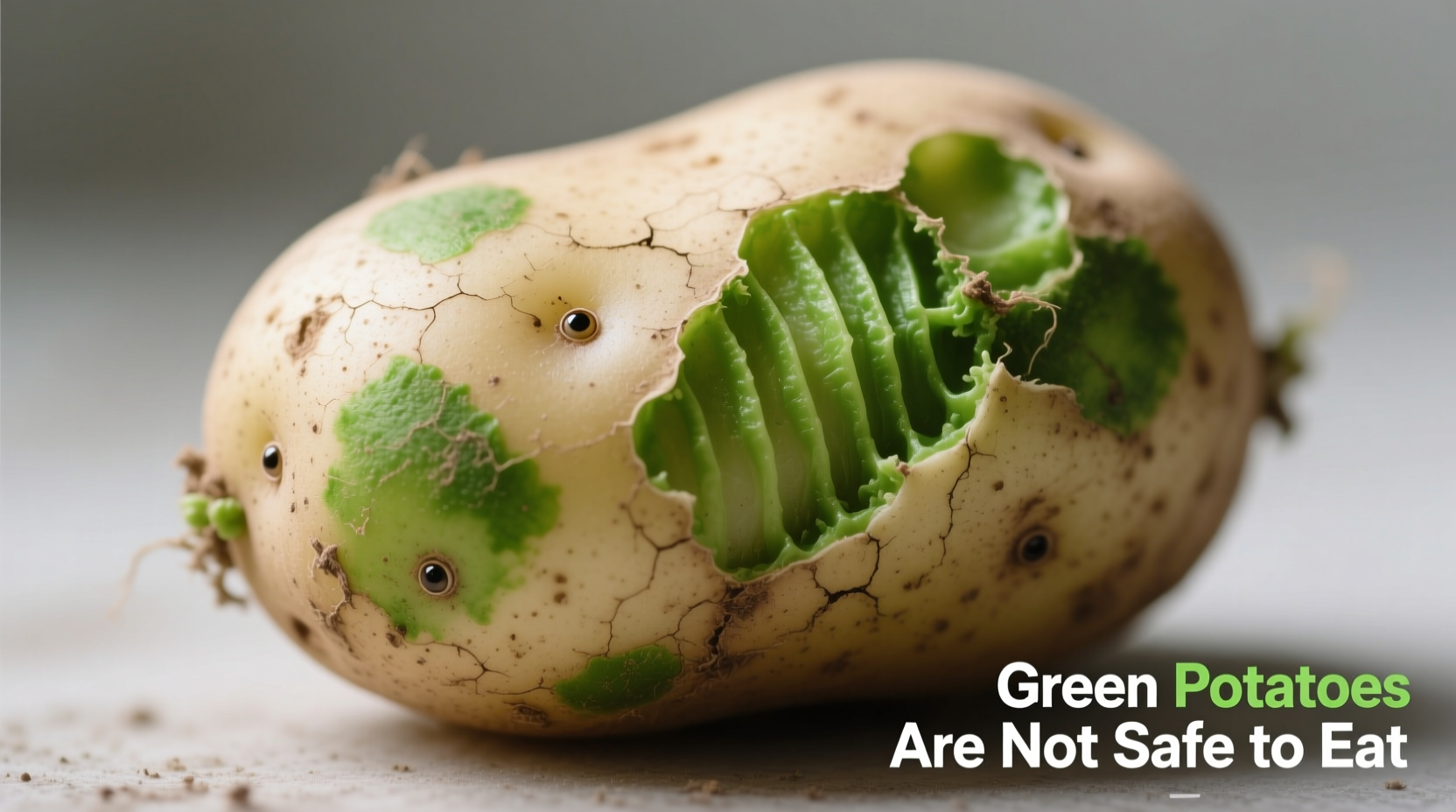
Discovering green spots on your potatoes can trigger immediate concern about food safety. This common kitchen issue affects millions of households annually, yet most people don't understand the science behind the discoloration or how to properly handle affected potatoes. In this guide, you'll learn exactly when green potatoes become dangerous, practical steps to salvage mildly affected produce, and proven storage techniques to prevent this problem entirely.
Why Potatoes Turn Green: The Science Explained
When potatoes are exposed to light, they undergo a natural biological process called photomorphogenesis. This triggers two simultaneous reactions:
- Chlorophyll development - The green pigment you see (harmless but indicates)
- Solanine production - The toxic compound that poses health risks
According to research from the USDA Agricultural Research Service, solanine levels begin increasing within 24-48 hours of light exposure. The greener the potato, the higher the concentration of this naturally occurring glycoalkaloid toxin. While chlorophyll itself is harmless, it serves as a visible warning sign that potentially dangerous compounds have formed beneath the surface.
Assessing Your Green Potato: Risk Levels and Actions
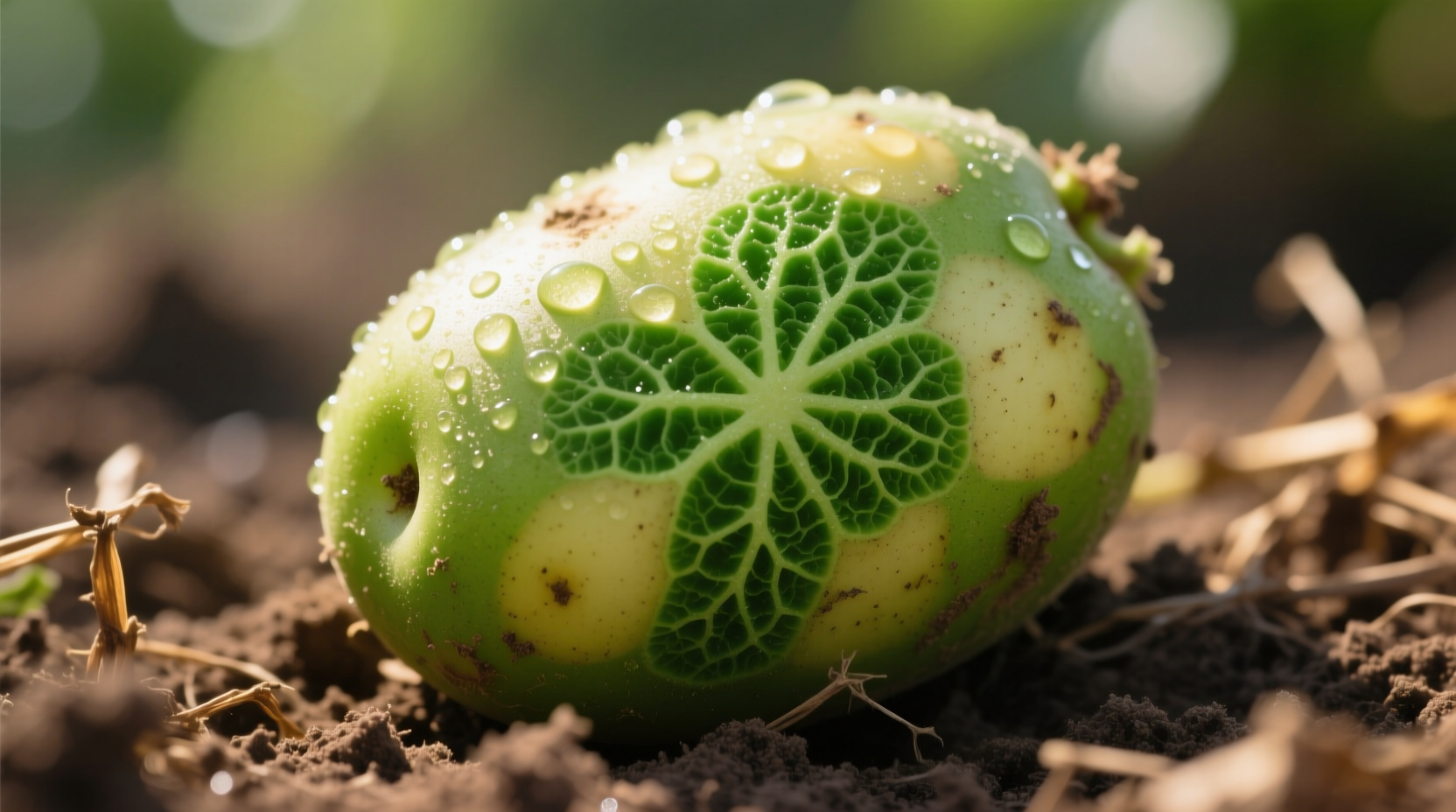
Not all green potatoes require immediate disposal. The critical factor is determining how deeply the greening has penetrated. Here's a practical assessment guide based on recommendations from food safety experts at FDA Food Safety:
| Greening Level | Solanine Concentration | Recommended Action |
|---|---|---|
| Surface-level green spots (¼ inch or less) | Low to moderate (20-50mg/100g) | Peel deeply (½ inch) and use immediately |
| Extensive greening throughout | Moderate to high (50-100mg/100g) | Discard entire potato |
| Green with sprouts or soft spots | High (100mg+/100g) | Immediately discard and check nearby potatoes |
Practical Steps: Salvaging Slightly Green Potatoes
If your potatoes show only minor greening, follow these science-backed steps to safely prepare them:
- Peel deeply - Remove at least ½ inch of flesh beneath green areas (solanine concentrates just below the surface)
- Check for bitterness - Taste a small raw piece; discard if bitter (solanine's warning signal)
- Cook properly - Boiling reduces solanine slightly, but doesn't eliminate it completely
- Use immediately - Don't store peeled green potatoes as toxins can migrate
Important note: Cooking doesn't destroy solanine. Unlike bacteria, this toxin remains stable through normal cooking temperatures. The Penn State Extension confirms that frying, baking, or boiling only minimally reduces glycoalkaloid levels.
Preventing Potato Greening: Storage Best Practices
Proper storage prevents greening before it starts. Follow these evidence-based methods:
- Darkness is essential - Store in opaque containers or dark pantries (even brief light exposure triggers greening)
- Optimal temperature - 45-50°F (7-10°C) slows sprouting and greening
- Ventilation matters - Use mesh or paper bags instead of plastic to prevent moisture buildup
- Separate from onions - Ethylene gas from onions accelerates sprouting and greening
University of Maine research shows properly stored potatoes maintain quality for 2-3 months, while those stored in light may develop dangerous solanine levels within days. Never refrigerate potatoes, as cold temperatures convert starch to sugar, creating potentially harmful compounds when cooked at high heat.
Health Considerations: Understanding Solanine Risks
Solanine poisoning is rare but serious. Symptoms typically appear 8-12 hours after consumption and include:
- Nausea and vomiting
- Headaches and dizziness
- Abdominal pain and diarrhea
- In severe cases: neurological symptoms
The Centers for Disease Control reports that symptoms usually resolve within 24 hours with supportive care. Fatalities are extremely rare and would require consuming several pounds of severely green potatoes. Children and pregnant women should exercise extra caution, as they're more sensitive to glycoalkaloids.
When to Discard Potatoes Immediately
Don't risk consumption if potatoes show any of these warning signs:
- Extensive greening covering more than 25% of the surface
- Visible sprouts longer than ½ inch
- Soft or mushy texture
- Bitter taste during preparation
- Musty or moldy odor
When in doubt, throw it out. The minimal cost of replacing a potato doesn't justify potential health risks. Compost discarded potatoes rather than feeding to animals, as solanine affects mammals similarly to humans.




 浙公网安备
33010002000092号
浙公网安备
33010002000092号 浙B2-20120091-4