
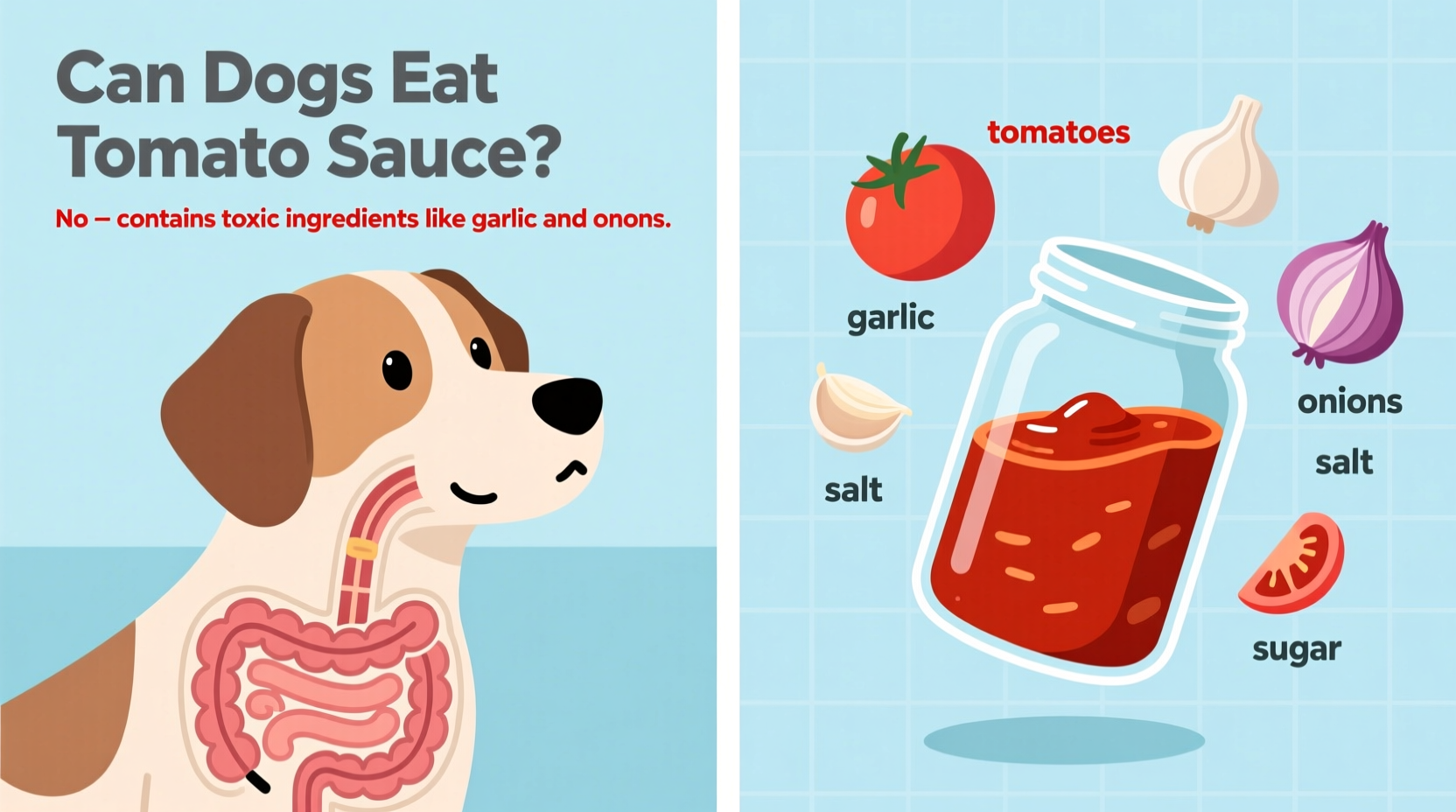
Why Tomato Sauce Poses Risks for Dogs
While ripe tomatoes themselves are generally safe for dogs in small quantities, processed tomato sauce introduces multiple hazards. The primary concerns stem from common ingredients added during manufacturing that transform a potentially safe food into a dangerous one.
Hidden Dangers in Commercial Tomato Sauce
When examining store-bought tomato sauce, pet owners must consider these critical risk factors:
| Ingredient | Common in Sauce? | Dog Safety Risk | Safe Threshold |
|---|---|---|---|
| Onions/Garlic | 95% of commercial sauces | High (causes hemolytic anemia) | None - toxic at any amount |
| Sodium | 100% of commercial sauces | Moderate to High | <100mg per serving |
| Tomato Acidity | Inherent in tomatoes | Moderate (GI upset) | Small ripe tomato portions only |
| Artificial Additives | 70% of commercial sauces | Variable (depends on type) | Natural ingredients preferred |
This comprehensive analysis from the ASPCA Animal Poison Control Center confirms that onions and garlic—present in nearly all commercial tomato sauces—contain thiosulfate compounds that damage red blood cells in dogs, potentially causing life-threatening hemolytic anemia.
Symptom Timeline: What to Watch For
Understanding the progression of potential symptoms helps pet owners respond appropriately. Based on veterinary research from Veterinary Partner, here's what to expect:
- 0-6 hours after consumption: Vomiting, diarrhea, abdominal pain, and excessive drooling may occur due to gastrointestinal irritation from the sauce's acidity and spices.
- 12-24 hours later: Lethargy, weakness, and decreased appetite may develop as onion/garlic toxicity begins affecting red blood cells.
- 24-72 hours post-consumption: Critical symptoms like pale gums, rapid breathing, dark urine (indicating hemoglobinuria), and collapse may signal advanced hemolytic anemia requiring immediate veterinary intervention.
Immediate Actions If Your Dog Consumed Tomato Sauce
Follow these steps if your dog ate tomato sauce:
- Assess the situation: Note the approximate amount consumed and check the ingredients list if packaging is available.
- Contact your veterinarian: Provide details about your dog's size, the sauce ingredients, and consumption amount.
- Monitor closely: Watch for early symptoms like vomiting or unusual lethargy.
- Do NOT induce vomiting unless specifically instructed by a veterinary professional.
- Prepare for possible treatment: Your vet may recommend activated charcoal administration or hospitalization for supportive care.
When Small Amounts Might Be Tolerated
Not all tomato exposure requires emergency care. Context matters significantly:
- Homemade plain tomato sauce without onions, garlic, or excessive salt may cause only mild digestive upset in larger dogs.
- Accidental licks from your plate typically pose minimal risk unless the sauce contains toxic ingredients.
- Ripe, fresh tomatoes in small quantities (1-2 cherry tomatoes for medium dogs) are generally safe as occasional treats.
However, the Pet Poison Helpline emphasizes that commercial sauces' inconsistent formulations make even small amounts potentially dangerous due to hidden onion and garlic powder.
Safer Alternatives for Dogs
If you want to share tomato-based flavors with your dog, consider these safer options:
- Fresh, ripe tomatoes: Small portions of washed, seed-removed cherry tomatoes provide lycopene benefits without processing risks.
- Homemade tomato broth: Simmered without onions, garlic, or salt, then cooled and strained for a flavorful addition to dog food.
- Commercial dog treats: Look for products specifically formulated with dog-safe tomato ingredients and appropriate nutrient balance.
Always introduce new foods gradually and monitor for individual sensitivities. Remember that treats should comprise no more than 10% of your dog's daily caloric intake.
Prevention Strategies for Pet Owners
Protect your dog from accidental tomato sauce exposure with these practical measures:
- Store sauces securely in closed cabinets away from curious noses
- Never share human food containing tomato sauce with your dog
- Read all ingredient labels carefully when purchasing dog treats
- Train your dog with consistent "leave it" commands around餐桌 food
- Keep emergency vet contact information readily accessible
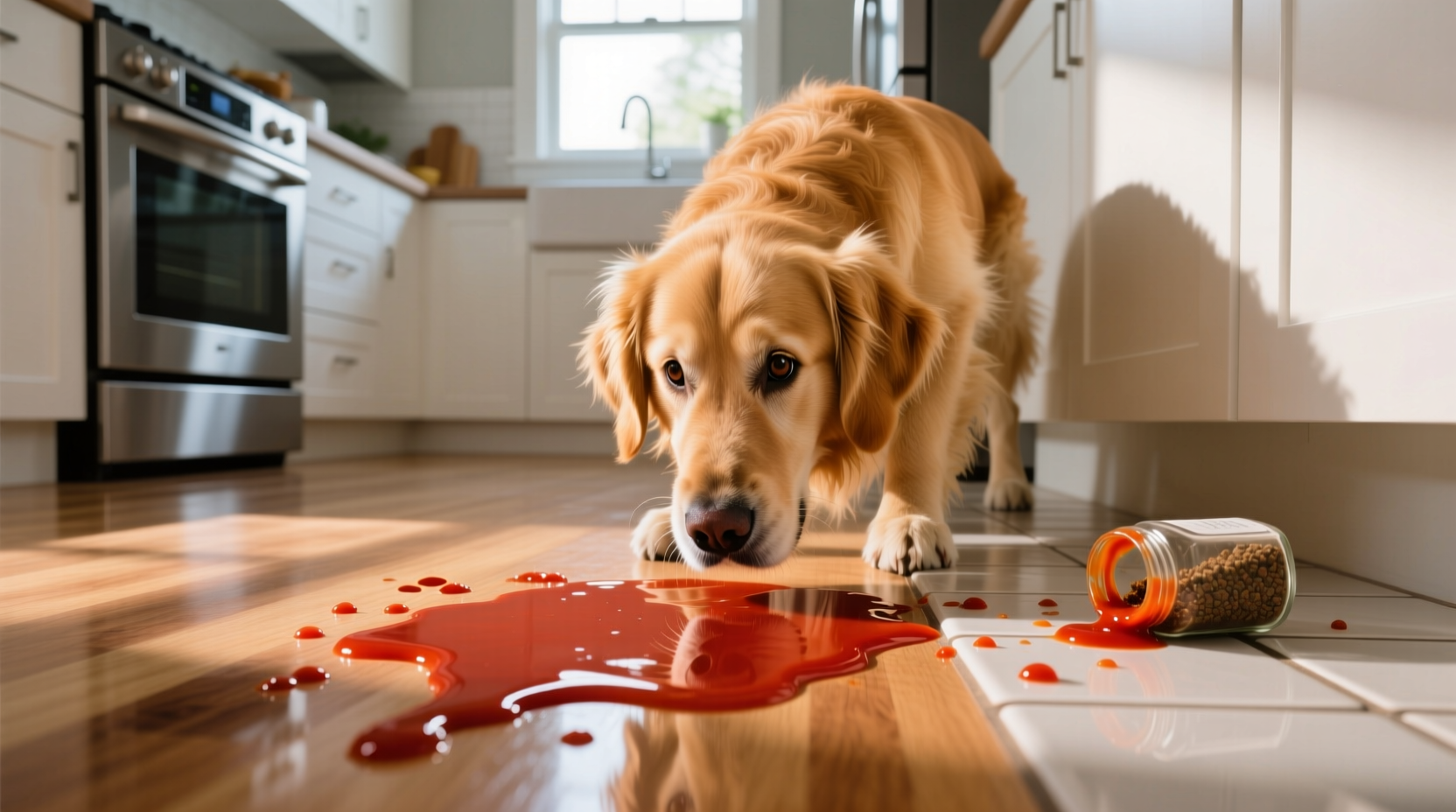
When to Seek Immediate Veterinary Care
Contact your veterinarian immediately if your dog shows any of these symptoms after consuming tomato sauce:
- Repeated vomiting or diarrhea lasting more than 2 hours
- Unusual lethargy or weakness
- Pale or yellow-tinged gums
- Difficulty breathing or rapid heart rate
- Dark orange or red urine
- Loss of appetite lasting more than 12 hours
Early intervention significantly improves outcomes for dogs experiencing food-related toxicity. Your vet may perform blood tests to check for hemolytic anemia and provide appropriate supportive care.
Understanding Veterinary Treatment Approaches
If your dog requires veterinary care after tomato sauce consumption, treatment typically follows this protocol:
- Initial assessment: Physical examination and history taking about the incident
- Diagnostic testing: Complete blood count to check for hemolytic anemia indicators
- Decontamination: Activated charcoal administration if ingestion was recent
- Supportive care: IV fluids for hydration and electrolyte balance
- Monitoring: Regular blood tests to track red blood cell recovery
- Nutritional support: Specialized diets during recovery period
Most dogs recover fully with prompt treatment, though severe cases of hemolytic anemia may require extended hospitalization and blood transfusions.
Long-Term Considerations After Exposure
Following a tomato sauce incident, monitor your dog for potential long-term effects:
- Temporary digestive sensitivity may last 3-5 days after the incident
- Complete red blood cell regeneration takes 4-6 weeks in recovered cases
- Some dogs develop temporary food aversions requiring gradual reintroduction of regular diet
- Consult your veterinarian about appropriate probiotics to support gut health during recovery




 浙公网安备
33010002000092号
浙公网安备
33010002000092号 浙B2-20120091-4