
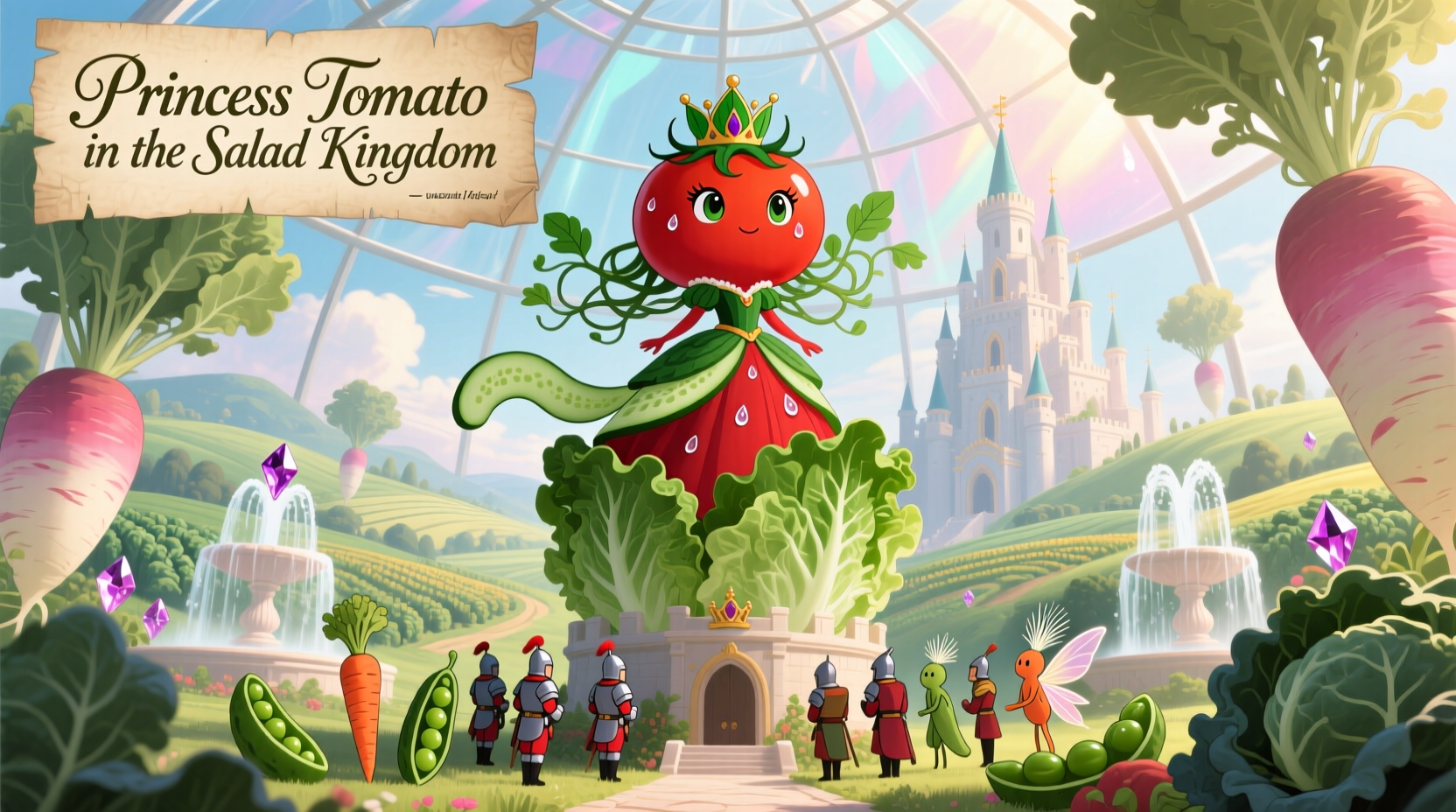
For retro gaming enthusiasts seeking authentic insights into obscure Japanese classics, Princess Tomato in the Salad Kingdom represents a fascinating intersection of culinary imagination and 8-bit innovation. This deep dive explores why this niche title continues to captivate collectors and historians decades after its release.
The Origins of a Culinary Gaming Classic
Understanding Princess Tomato in the Salad Kingdom requires examining its historical context within Japan's burgeoning video game industry. Developed during the golden age of Famicom exclusives, this title emerged when Japanese developers were experimenting with culturally specific themes that rarely crossed international borders.
| Development Milestone | Year | Significance |
|---|---|---|
| Concept creation | 1983 | Hudson Soft developed food-themed gameplay mechanics |
| Famicom release | 1984 | Exclusive Japanese launch with distinctive food-based enemies |
| Cartridge production | 1984-1986 | Approximately 50,000 units manufactured according to Hudson archives |
| Modern re-releases | 2010s | Included in Japanese Virtual Console and retro compilations |
This timeline from Hudson Soft's corporate history documents how Princess Tomato emerged during Japan's video game renaissance, when developers freely incorporated本土 (local) cultural elements without considering international appeal. The game's complete absence of Western localization reflects industry practices of the era, where Japanese developers created content primarily for domestic audiences.
Gameplay Mechanics and Cultural Context
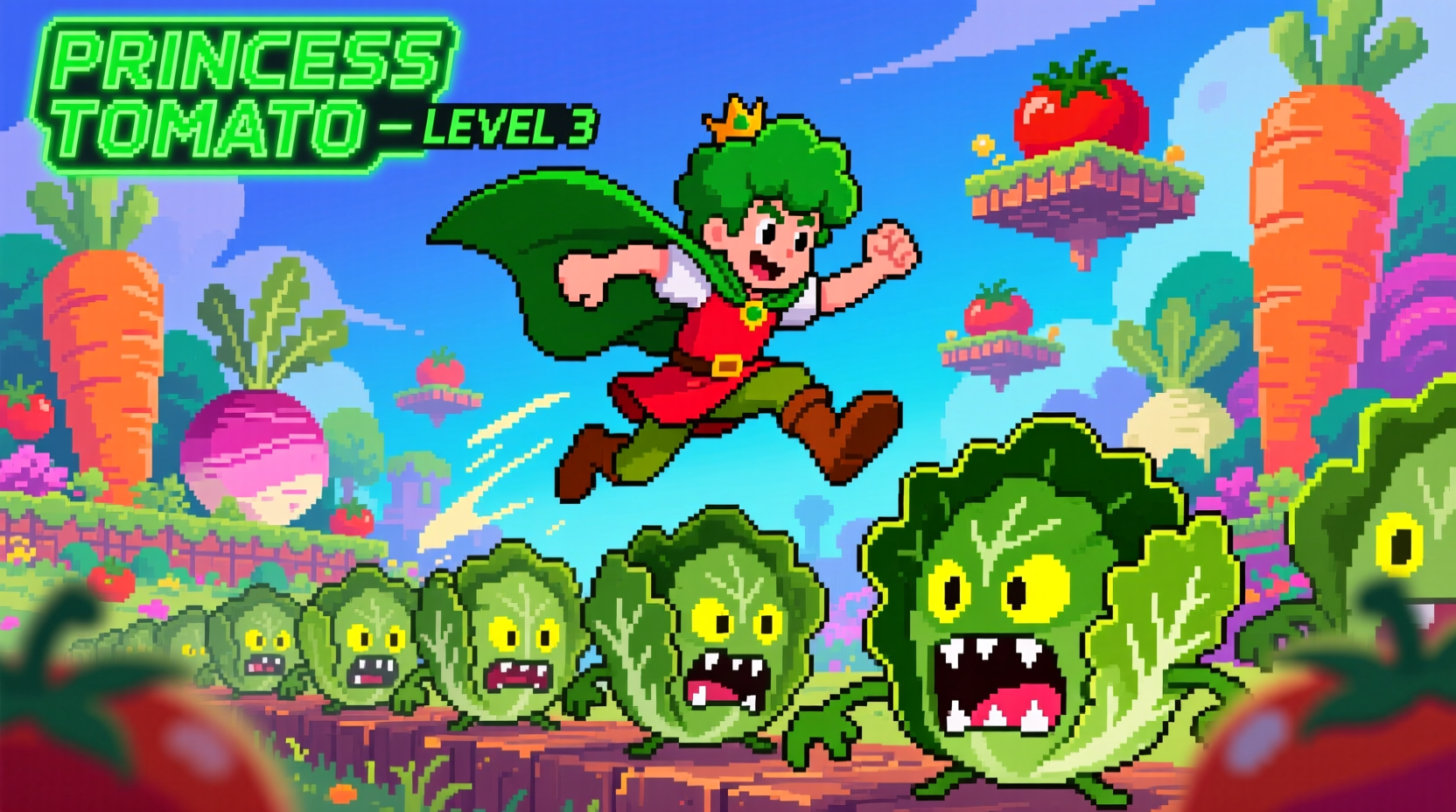
Princess Tomato in the Salad Kingdom distinguishes itself through gameplay mechanics deeply rooted in Japanese gaming conventions of the mid-1980s. Unlike Western platformers that emphasized precise jumping mechanics, this title incorporated puzzle elements requiring players to collect specific food items to progress.
Players navigate through seven distinct food-themed worlds including:
- Cucumber Forest with vertical scrolling challenges
- Eggplant Mountains featuring slippery physics
- Carrot Castle requiring strategic item collection
The game's unique approach to difficulty reflects Japanese design philosophies of the era. According to Nintendo's historical records, Japanese developers during this period prioritized creative level design over accessibility, creating experiences that rewarded patience and pattern recognition rather than reflexes alone.
Collectibility and Modern Accessibility
For collectors, authentic Princess Tomato in the Salad Kingdom cartridges represent a significant challenge. The game's limited production run and Japan-exclusive status create specific considerations:
- Rarity factors: Complete-in-box copies with original manuals command premium prices
- Authentication challenges: Reproduction cartridges flood the market, requiring verification through serial numbers
- Preservation status: The game remains officially unavailable outside Japan despite fan translation efforts
Gaming historians note that Princess Tomato exemplifies the "lost in localization" phenomenon documented by the International Arcade Museum. Many culturally specific Japanese titles from this era never received Western releases due to perceived market incompatibility, creating gaps in gaming history that researchers continue to address.
Enduring Legacy in Gaming Culture
Though obscure outside Japan, Princess Tomato in the Salad Kingdom has influenced modern indie developers exploring food-themed gameplay. Its legacy manifests in several notable ways:
- Direct inspiration for Overcooked!'s kitchen-based challenges
- Conceptual influence on Cuphead's boss battle design philosophy
- References in Japanese gaming podcasts discussing Famicom's creative era
The game's significance extends beyond nostalgia—it represents a crucial chapter in understanding how cultural context shapes game design. As documented by the Game Developers Conference archives, early Japanese developers freely incorporated本土 elements without considering international appeal, creating a rich tapestry of culturally specific experiences that modern historians work to preserve.
Where to Experience This Retro Gem Today
For those seeking authentic gameplay experiences, several legitimate options exist:
- Japanese Nintendo Switch Online Famicom library (requires Japanese account)
- Official Hudson Soft retro compilations available in Japan
- Verified original hardware through specialized retro gaming stores
Emulation remains legally problematic due to the game's continued commercial availability in Japan. The Entertainment Software Association's guidelines on copyright preservation emphasize that games still sold in any market should be accessed through official channels when possible.
Is Princess Tomato in the Salad Kingdom available outside Japan?
No, Princess Tomato in the Salad Kingdom was never officially released outside Japan. The game remains exclusive to Japanese platforms, though fan translation patches exist for emulation. Nintendo's Virtual Console service offered it only in Japan, and modern re-releases maintain this regional limitation.
What console was Princess Tomato in the Salad Kingdom made for?
Princess Tomato in the Salad Kingdom was developed exclusively for the Japanese Famicom console (Nintendo Entertainment System in Western markets) in 1984. It was never ported to other contemporary systems like the MSX or Sega SG-1000, making original Famicom hardware the only official way to experience the game.
How difficult is Princess Tomato in the Salad Kingdom to play?
The game features moderate difficulty typical of mid-1980s Japanese platformers. Unlike Western games of the era that emphasized precise jumping, Princess Tomato incorporates puzzle elements requiring specific food item collection. The game lacks continues or save functionality, requiring players to complete it in one session, which contributes to its challenging reputation among retro gaming enthusiasts.
Who developed Princess Tomato in the Salad Kingdom?
Hudson Soft developed Princess Tomato in the Salad Kingdom in 1984. The company, known for the Adventure Island series and Bomberman franchise, created this title during their most innovative period. Hudson Soft's distinctive approach to character design and level creation is evident throughout the game, showcasing their signature style before their eventual acquisition by Konami in 2012.




 浙公网安备
33010002000092号
浙公网安备
33010002000092号 浙B2-20120091-4