
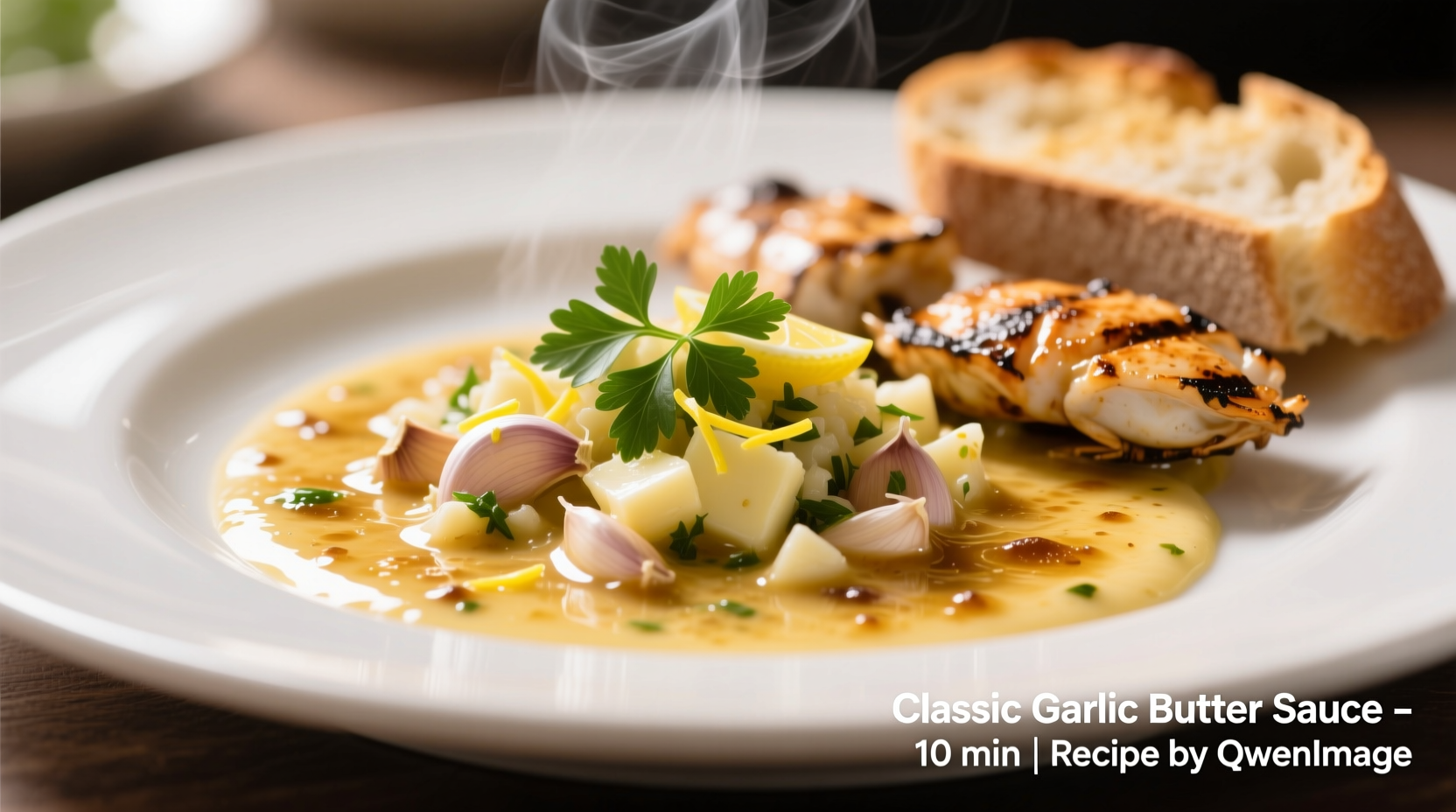
Imagine finishing dinner with a sauce so aromatic it makes your guests ask for the recipe before they've even taken their first bite. This buttery garlic sauce transforms ordinary weeknight meals into extraordinary dining experiences with minimal effort. Whether you're pairing it with linguine, drizzling over grilled shrimp, or using it as a dip for crusty bread, this versatile sauce elevates any dish from simple to spectacular.
The Essential Ingredients for Perfect Garlic Sauce
Quality ingredients make the difference between a good sauce and a great one. While this recipe uses basic pantry staples, understanding why each component matters ensures consistent results.
| Ingredient | Why It Matters | Pro Tip |
|---|---|---|
| Unsalted butter | Control sodium levels and prevent curdling | Use European-style butter (82% fat) for richer emulsion |
| Fresh garlic | Raw garlic burns easily; fresh provides superior flavor | Minced fine but not pureed - 1/8 inch pieces ideal |
| Heavy cream | Creates stable emulsion and prevents separation | Warm cream before adding to maintain temperature |
According to the USDA Food Safety and Inspection Service, proper temperature control when handling dairy products prevents bacterial growth. Keep butter refrigerated until ready to use, and never leave the finished sauce at room temperature for more than two hours.
Step-by-Step Sauce Preparation
Follow this professional technique to create a smooth, emulsified sauce without common pitfalls like separation or burned garlic.
Equipment You'll Need
- Medium saucepan (stainless steel recommended)
- Wooden spoon or silicone spatula
- Microplane grater for garlic (optional but recommended)
- Measuring spoons and cups
The Cooking Process
- Prepare ingredients: Mince 4-5 garlic cloves (about 2 tablespoons). Measure 1 cup heavy cream, 1/2 cup grated Parmesan, and 1 cup unsalted butter cut into tablespoon pieces.
- Low-temperature garlic infusion: Melt 2 tablespoons butter over medium-low heat. Add garlic and cook for 2-3 minutes until fragrant but not browned - this critical step extracts flavor without bitterness.
- Create the emulsion: Reduce heat to low. Gradually whisk in cold butter pieces one at a time, allowing each to incorporate before adding the next. This gradual addition prevents separation.
- Add cream and cheese: Stir in warmed cream and Parmesan until smooth. Season with 1/4 teaspoon black pepper and salt to taste.
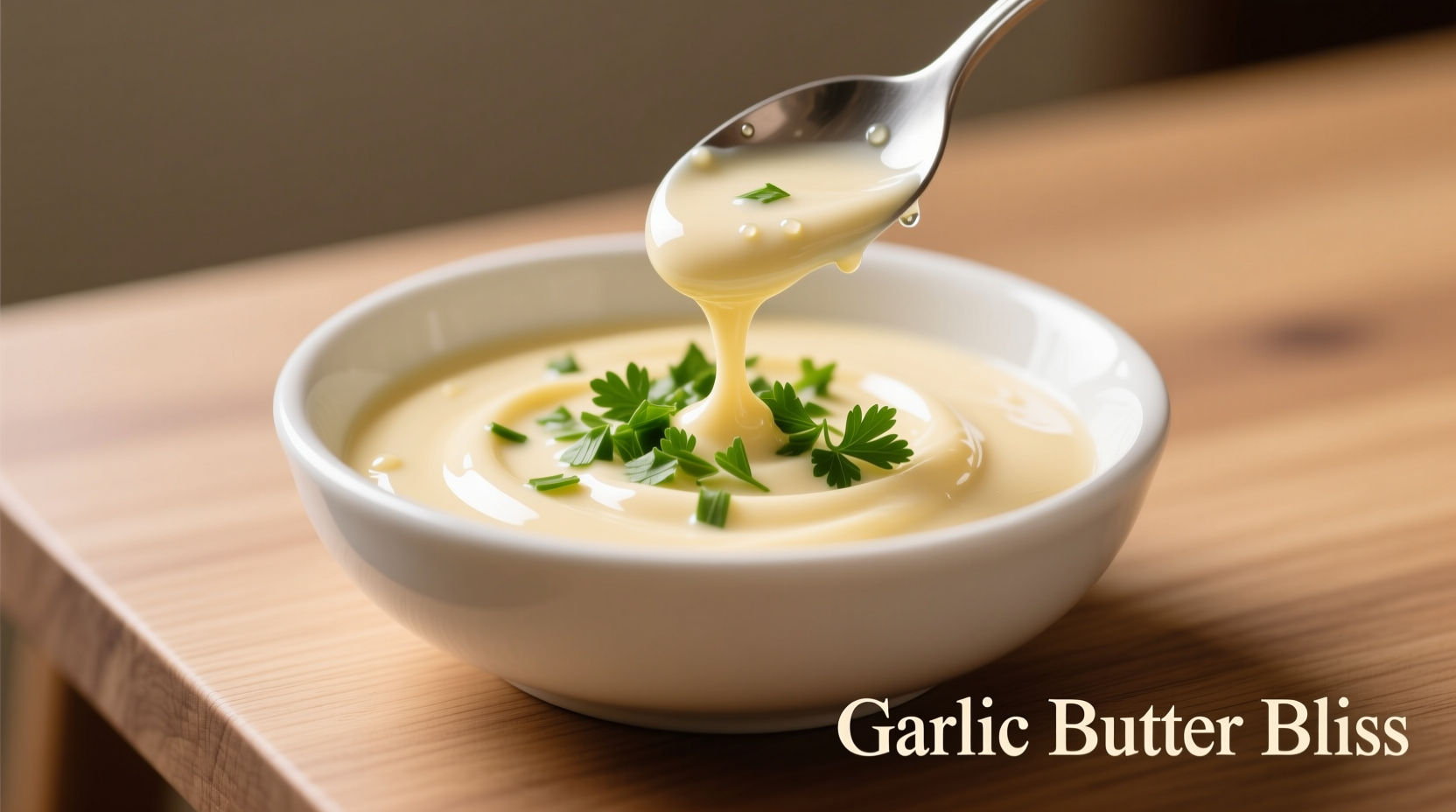
- Final consistency check: The sauce should coat the back of a spoon. If too thick, add 1-2 tablespoons pasta water; if too thin, simmer gently for 2-3 minutes.
Avoiding Common Sauce Problems
Understanding the food science behind sauce preparation helps troubleshoot issues before they happen:
- Burned garlic: Garlic burns at 325°F (163°C). Always cook garlic in butter (not oil) over medium-low heat. The milk solids in butter lower the effective cooking temperature.
- Sauce separation: Caused by temperature shock. Ensure all dairy ingredients are at similar temperatures before combining. If separation occurs, remove from heat and slowly whisk in 1-2 tablespoons cold water.
- Too strong garlic flavor: Raw garlic intensifies as it sits. For milder flavor, add garlic later in the cooking process or reduce quantity by 25%.
Perfect Pairings and Creative Variations
This versatile sauce works beautifully with numerous dishes, but certain pairings maximize its potential:
Best Dish Combinations
- Pasta: Toss with fettuccine or linguine (reserve 1/2 cup pasta water for perfect consistency)
- Seafood: Drizzle over grilled shrimp or scallops during the last minute of cooking
- Vegetables: Roast asparagus or broccoli and finish with warm sauce
- Protein: Serve alongside chicken piccata or pork chops
Flavor Variations to Try
- Lemon herb: Add 2 tablespoons fresh lemon juice and 1 tablespoon chopped parsley
- Spicy arrabbiata: Stir in 1/4 teaspoon red pepper flakes with the garlic
- Truffle: Mix in 1 teaspoon truffle oil after removing from heat
- Creamy mushroom: Sauté 1/2 cup sliced mushrooms before adding garlic
Food historians note that garlic sauces have evolved significantly since their medieval European origins. While early versions used olive oil and vinegar, the butter-based version became popular in 19th century France when chefs discovered butter's superior emulsifying properties. Modern food science confirms that butter's fat composition creates more stable emulsions than oil-based sauces, explaining its enduring popularity in professional kitchens.
Storage and Reheating Instructions
Proper storage maintains quality and ensures food safety:
- Refrigeration: Store in airtight container for up to 4 days
- Freezing: Portion into ice cube trays, then transfer to freezer bags for up to 3 months
- Reheating: Warm gently over low heat, adding 1-2 tablespoons cream or milk to restore consistency
- Never reheat multiple times - this degrades texture and increases food safety risks




 浙公网安备
33010002000092号
浙公网安备
33010002000092号 浙B2-20120091-4