
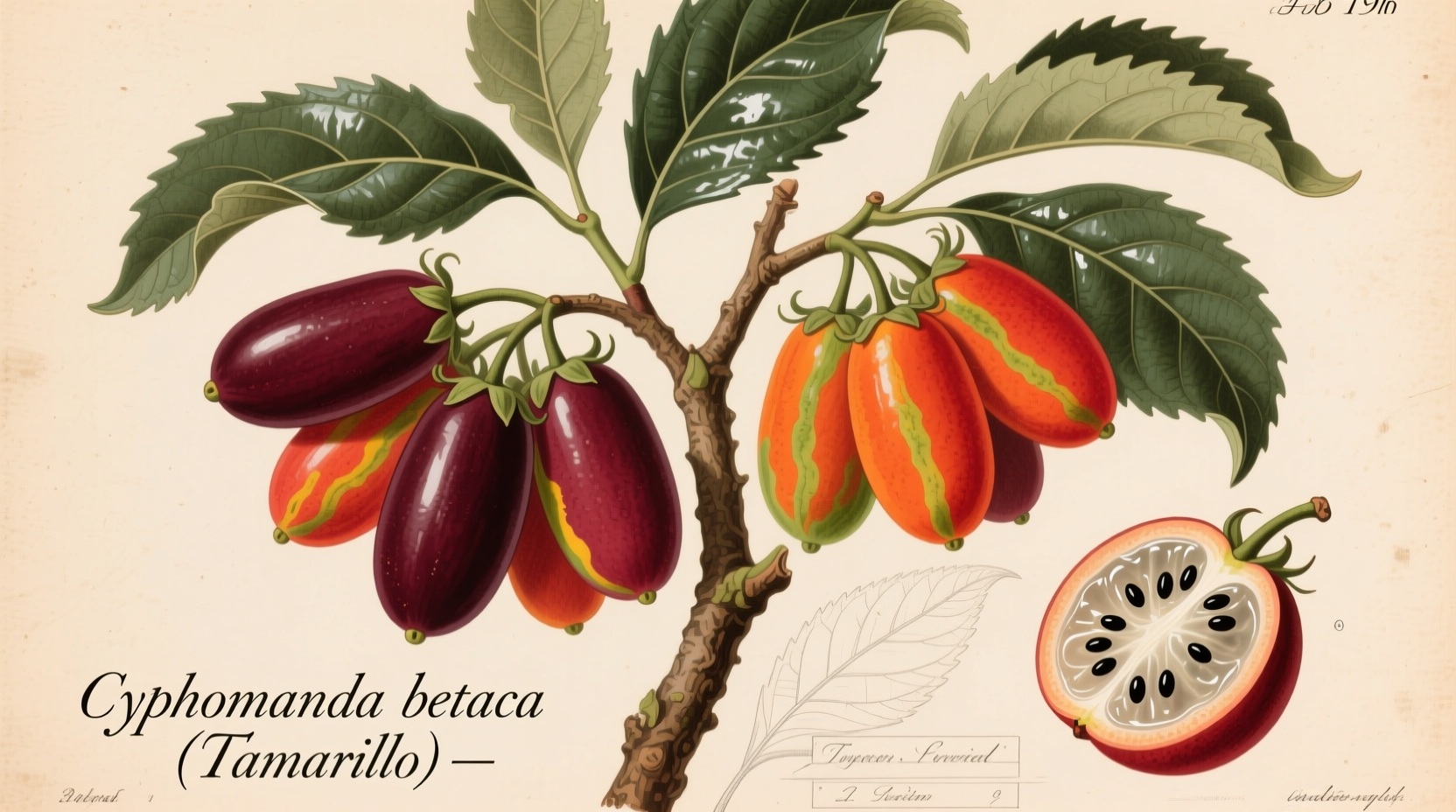
What Exactly Is Tamarillo? Unpacking the Name Confusion
You've probably encountered this fruit under multiple names: cyphomandra betacea (its scientific name), tree tomato, or tamarillo. The "tamarillo" name was actually coined in New Zealand in the 1960s as a marketing term to distinguish it from regular tomatoes and improve its commercial appeal. Despite the "tomato" reference, tamarillos belong to the nightshade family (Solanaceae) but are a different genus than common tomatoes (Solanum lycopersicum).
Native to the highlands of Peru, Chile, Ecuador, and Colombia, this plant has been cultivated for centuries by indigenous communities. Spanish conquistadors documented its use as early as the 16th century, though it didn't gain widespread global recognition until New Zealand began commercial production in the 20th century.
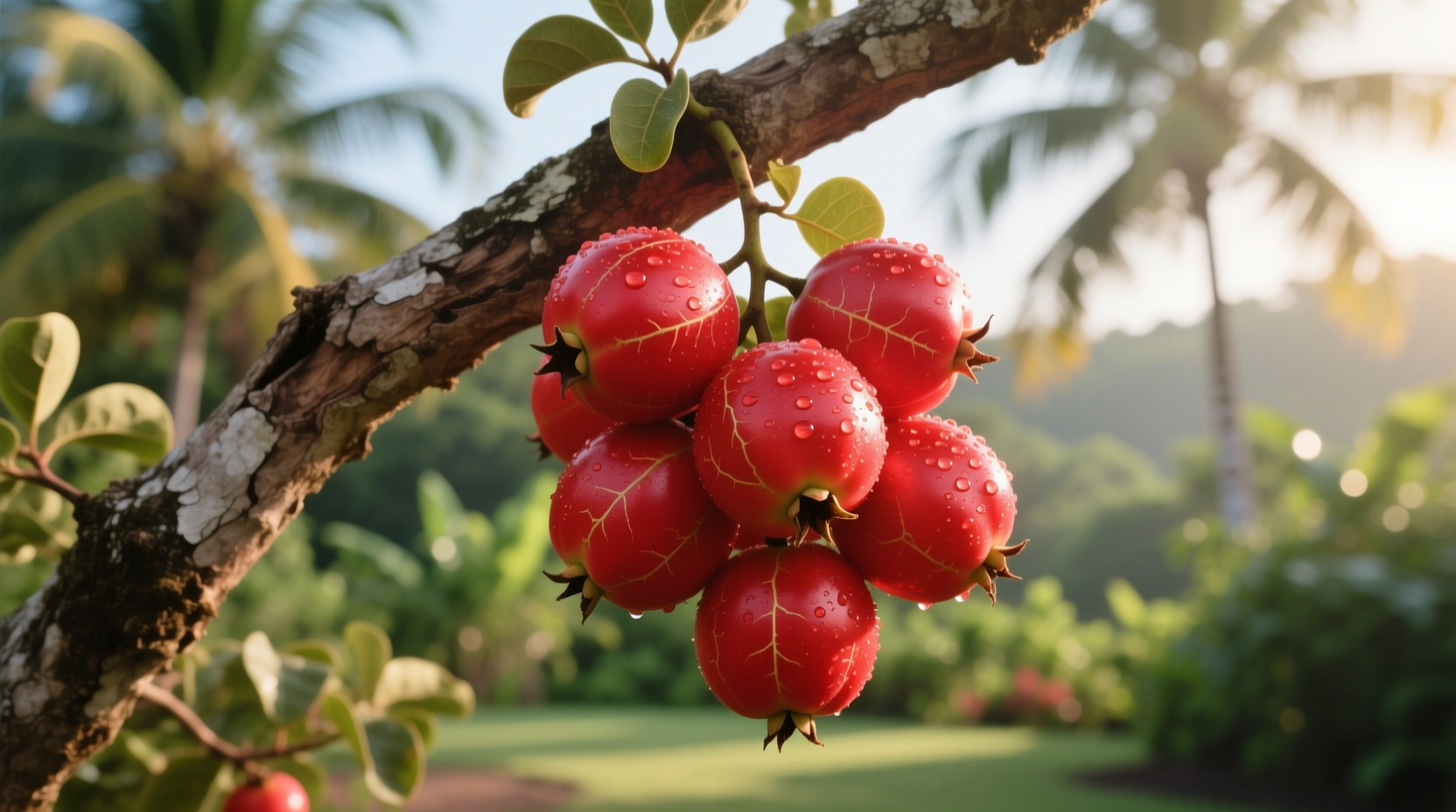
Tamarillo vs. Regular Tomato: Understanding the Key Differences
While they share some visual similarities, tamarillos and regular tomatoes differ significantly in multiple aspects. Understanding these differences helps set proper expectations for cultivation and culinary use.
| Characteristic | Tamarillo | Regular Tomato |
|---|---|---|
| Botanical Classification | Cyphomandra betacea | Solanum lycopersicum |
| Plant Type | Semi-woody perennial tree (10-18 ft) | Herbaceous annual vine |
| Fruit Shape | Elongated egg-shaped | Rounded to oval |
| Flavor Profile | Tangy, citrus-like, sometimes sweet-bitter | Sweet-acidic, varies by variety |
| Internal Structure | Firm, dense flesh with edible seeds in central core | Softer flesh with gel surrounding seeds |
| Harvest Time | 8-10 months from planting | 60-100 days from planting |
From Andes to Global Gardens: Tamarillo's Cultivation Timeline
The journey of tamarillo from indigenous cultivation to global recognition follows an interesting timeline:
- Pre-1500s: Cultivated by indigenous peoples in the Andean highlands of South America
- 16th Century: Documented by Spanish explorers who noted its use in local diets
- 19th Century: Introduced to Australia and New Zealand by European settlers
- Early 1900s: Began commercial cultivation in New Zealand
- 1960s: New Zealand growers trademarked the name "tamarillo" to distinguish it from regular tomatoes
- 1980s-Present: Expanded cultivation to Kenya, China, and other subtropical regions worldwide
Growing Tamarillo Successfully: Climate and Care Requirements
Tamarillo thrives in specific conditions that differ significantly from regular tomatoes. Understanding these requirements determines whether you can successfully grow this plant in your location.
Ideal Growing Conditions
- Climate: Subtropical to mild temperate (USDA zones 9-11); cannot tolerate frost
- Temperature: Optimal range 15-25°C (59-77°F); growth stops below 10°C (50°F)
- Sunlight: Full sun to partial shade (4-6 hours minimum)
- Soil: Well-draining, slightly acidic to neutral (pH 5.7-7.0), rich in organic matter
- Water: Consistent moisture without waterlogging; drought-tolerant once established
Practical Growing Tips for Home Gardeners
Start with these actionable steps if you're considering growing tamarillo:
- Propagation: Grow from seed (soak overnight before planting) or cuttings; seeds take 1-6 weeks to germinate
- Planting: Space plants 6-10 feet apart; plant in spring after last frost
- Support: Stake young trees as they grow; they develop shallow root systems
- Pruning: Prune to 1-4 main stems; remove side shoots below 3-4 feet for easier harvesting
- First harvest: Expect fruit 18-24 months after planting; trees reach full production in 4-5 years
Harvesting and Storage: Maximizing Flavor and Shelf Life
Timing your harvest correctly significantly impacts flavor quality. Tamarillos don't continue ripening significantly after picking, unlike regular tomatoes.
- Harvest indicators: Color change from green to yellow, orange, or red (depending on variety); slight softening when gently squeezed
- Harvest technique: Cut fruit from tree with 1-inch stem attached to prevent latex bleeding
- Storage: Room temperature for 1-2 weeks; refrigeration extends life to 3-4 weeks
- Preparation tip: The skin is bitter and tough; most culinary applications benefit from peeling before use
Culinary Applications: Beyond the Basic Salad
Tamarillo's unique flavor profile opens creative culinary possibilities that differ from regular tomatoes. Its tartness makes it versatile across both sweet and savory applications.
Popular Culinary Uses
- Savory dishes: Chutneys, salsas, and sauces (particularly with fish and poultry)
- Sweet applications: Jams, jellies, and dessert toppings (pairs well with vanilla and cinnamon)
- Beverages: Fresh juice (often blended with sweeter fruits), cocktails, and smoothies
- Traditional uses: In Andean cuisine, often eaten with salt or used in stews
Flavor Pairing Guide
Tamarillo's tartness complements:
- Sweet elements: honey, sugar, tropical fruits
- Warm spices: cinnamon, ginger, cardamom
- Herbs: basil, cilantro, mint
- Cheeses: goat cheese, feta, mild cheddar
Nutritional Profile: Health Benefits Backed by Science
According to USDA FoodData Central, tamarillos offer impressive nutritional benefits that differ from regular tomatoes. A 100g serving of raw tamarillo contains:
- Vitamin C: 28mg (47% of daily value) - significantly higher than regular tomatoes
- Vitamin A: 900 IU (18% of daily value) from beta-carotene
- Potassium: 229mg per 100g - supports healthy blood pressure
- Dietary fiber: 2.2g per 100g - aids digestion
- Antioxidants: Rich in flavonoids and carotenoids with anti-inflammatory properties
Research published in the Journal of Food Composition and Analysis indicates tamarillos contain unique phytochemicals not found in regular tomatoes, contributing to potential health benefits including improved cardiovascular health and blood sugar regulation.
Where to Find Tamarillo and Seasonal Availability
Tamarillo availability varies significantly by region and season:
- Peak season: Late summer through fall in most growing regions
- Availability: Farmers markets in California, Florida, and Hawaii; specialty grocery stores; increasingly in mainstream supermarkets during peak season
- Substitutes: When unavailable, a blend of tomatoes with citrus juice or passion fruit can mimic some flavor characteristics
- Global production: New Zealand remains the largest commercial producer, followed by Kenya, China, and Colombia
Common Challenges and Limitations for Growers
Understanding the context boundaries of tamarillo cultivation helps set realistic expectations:
- Frost sensitivity: Cannot survive temperatures below -2°C (28°F); requires protection in marginal climates
- Wind vulnerability: Shallow root system makes trees susceptible to wind damage
- Pests: Aphids, whiteflies, and tomato/potato psyllids can be problematic
- Diseases: Verticillium wilt and powdery mildew require monitoring
- Lifespan: Trees are productive for 5-12 years before declining




 浙公网安备
33010002000092号
浙公网安备
33010002000092号 浙B2-20120091-4