
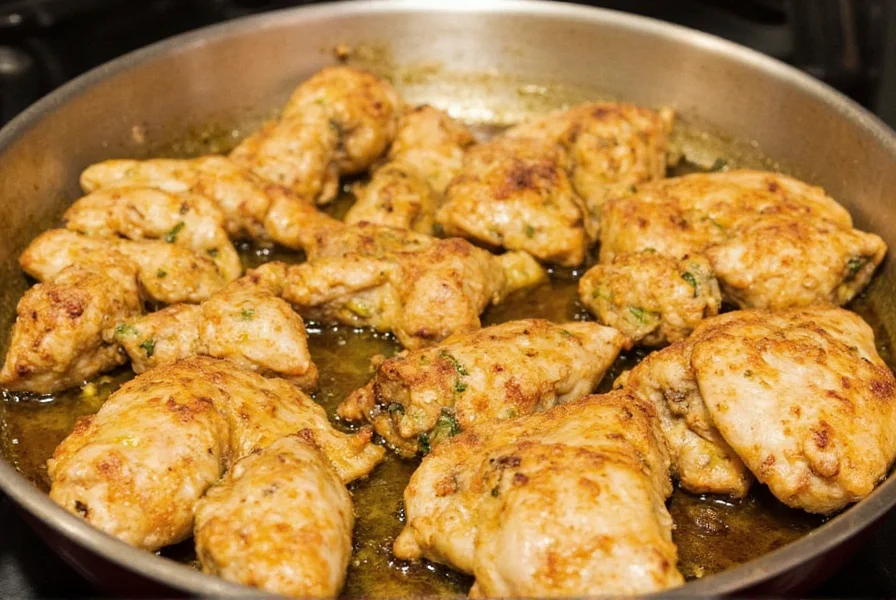
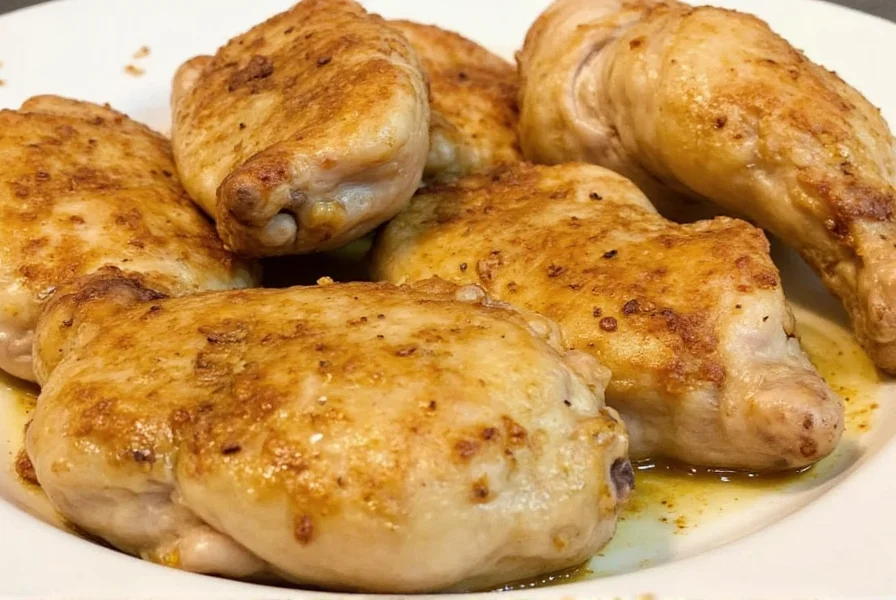
Butter Marinade Chicken Recipe: Easy, Juicy & Flavorful
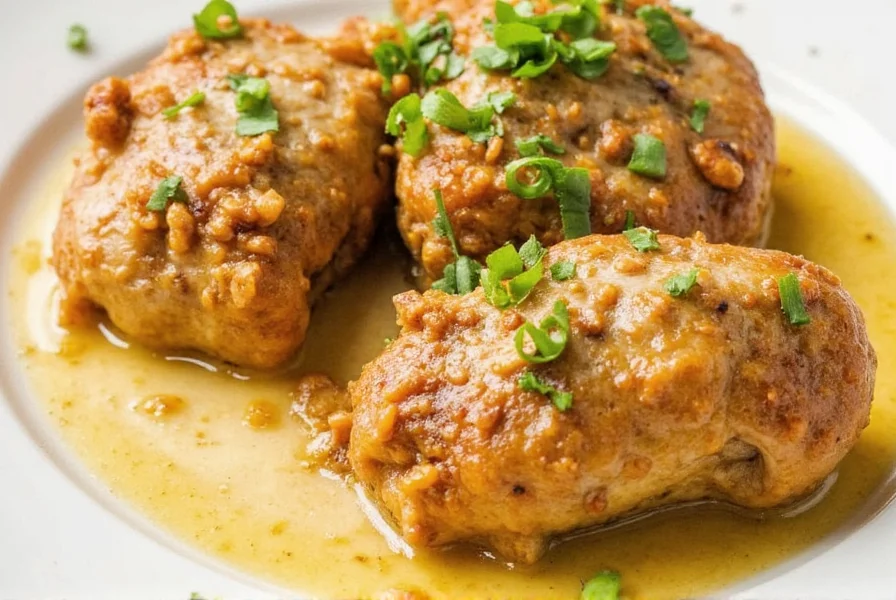
Ready to make the most flavorful chicken ever? This simple butter marinade recipe delivers tender, juicy results with minimal effort. Perfect for grilling, roasting, or pan-searing. Follow these easy steps for restaurant-quality dishes every time.
Ingredients:
- 4 bone-in chicken thighs
- 1/2 cup unsalted butter (melted)
- 2 cloves garlic (minced)
- 1 tsp smoked paprika
- 1/2 tsp onion powder
- 1/2 tsp ground cumin
- 1/4 tsp cayenne pepper
- Salt & black pepper to taste
- Juice of half a lemon
Instructions:
- In a bowl, mix all ingredients except chicken until well combined.
- Rub the mixture evenly over both sides of the chicken pieces.
- Cover and refrigerate for at least 2 hours (or overnight).
- Cook using your preferred method—grill, bake, or pan-sear.
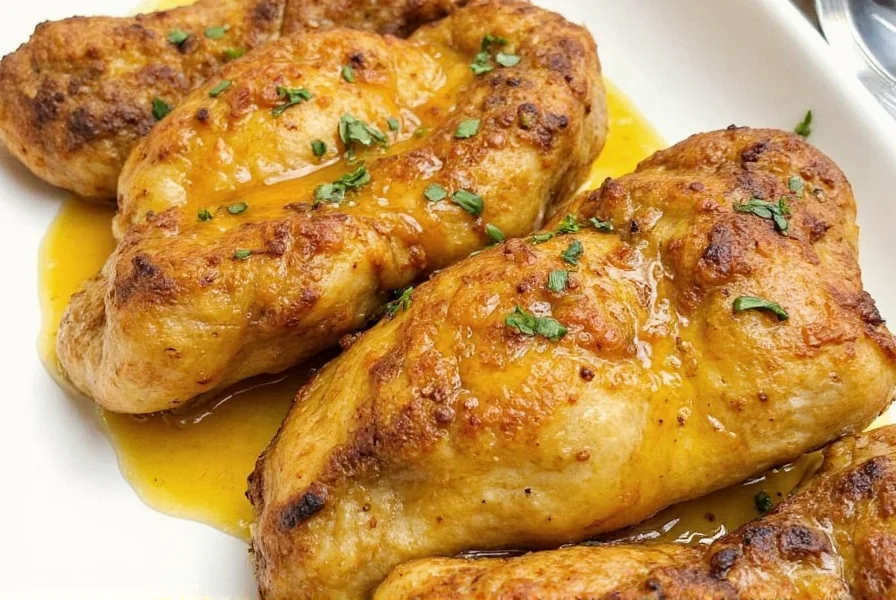
Why Butter Makes All the Difference
You might be wondering: why use butter instead of oil or another fat? Great question! Butter has a unique composition that makes it perfect for marinating:
- Milk solids caramelize when cooked, creating a deep golden crust.
- Natural flavor carriers like salt and fat enhance spices better than neutral oils.
- Rich mouthfeel gives your dish a luxurious edge without needing cream or cheese.
Spice Blends That Play Well with Butter
One of the best parts of butter marinade chicken is how adaptable it is to different spice profiles. Below are four popular flavor combinations you can try:
| Spice Blend | Main Ingredients | Ideal For | Flavor Profile |
|---|---|---|---|
| Tandoori Fusion | Garam masala, chili powder, turmeric, ginger | Grilled skewers, clay ovens | Earthy, spicy, aromatic |
| Lemon Herb | Dried thyme, rosemary, lemon zest, parsley | Oven-roasted dinners | Fresh, zesty, herbal |
| Southwest Kick | Chili powder, cumin, smoked paprika, lime juice | Tacos, grilled plates | Smoky, bold, tangy |
| French Country | Thyme, tarragon, shallots, white wine vinegar | Pan-seared or braised dishes | Herbal, savory, refined |
Cooking Methods Compared
How you cook your butter marinade chicken can dramatically change the final result. Let's break down the pros and cons of each method:
| Cooking Method | Time | Texture | Best Use Case | Tools Needed |
|---|---|---|---|---|
| Grilling | 20–25 mins | Charred exterior, juicy inside | Summer cookouts, backyard BBQ | Outdoor grill, tongs, basting brush |
| Oven Roasting | 35–40 mins | Evenly cooked, crispy skin | Family dinners, meal prep | Baking tray, oven-safe dish |
| Pan-Searing | 12–15 mins | Golden crust, soft interior | Quick meals, sauces | Cast iron skillet, spatula |
| Slow Cooker | 4–6 hours | Tender, falling apart | Meal prep, set-it-and-forget-it days | Slow cooker, aluminum foil |
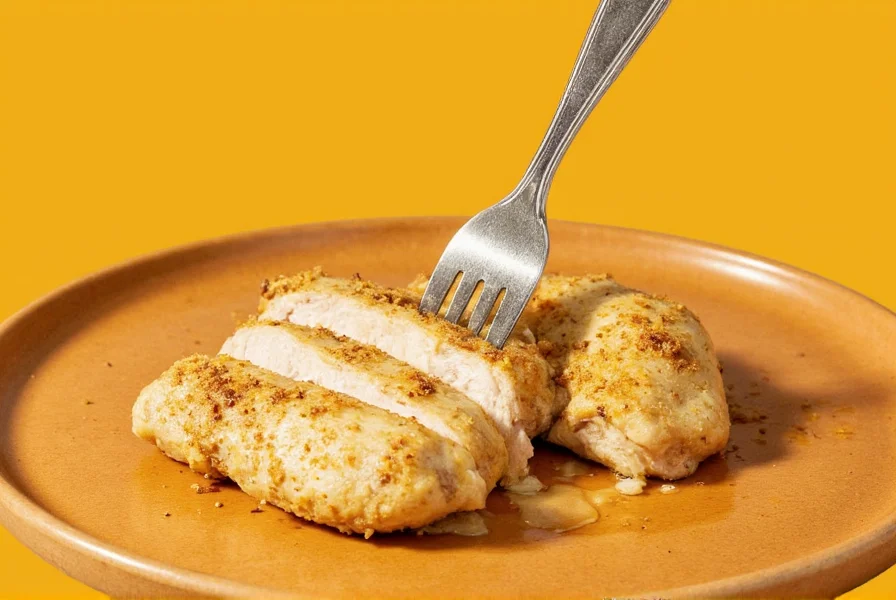
Buying Guide: Best Tools and Ingredients
If you're diving into butter marinade chicken regularly, investing in the right tools and ingredients can make all the difference. Here's a curated list of essentials:
1. Cast Iron Skillet
- Features: Even heat distribution, retains heat well
- Use Case: Pan-searing chicken for maximum browning
- Target Audience: Home cooks and professionals
- Best For: High-heat searing and stovetop-to-oven transitions
2. Smoked Sea Salt
- Features: Rich umami flavor, natural smokiness
- Use Case: Enhancing spice rubs or finishing dishes
- Target Audience: Flavor-focused cooks
- Best For: Grilled or roasted butter-marinated chicken
3. Garlic Press
- Features: Minces garlic quickly and evenly
- Use Case: Infusing raw garlic into butter marinades
- Target Audience: Busy cooks and gourmet enthusiasts
- Best For: Freshly made spice blends and pastes
4. Silicone Basting Brush
- Features: Heat-resistant bristles, easy to clean
- Use Case: Applying butter generously during cooking
- Target Audience: Grillers and roasters
- Best For: Outdoor grilling and oven roasting
5. Stainless Steel Mixing Bowls
- Features: Durable, non-reactive, stackable
- Use Case: Mixing marinades and storing marinating chicken
- Target Audience: Serious home cooks
- Best For: prepping large batches and multiple recipes
Frequently Asked Questions
What are the key benefits of using butter for chicken marinade?
Butter enhances flavor and texture in three key ways: 1) Milk solids caramelize for a golden crust; 2) Natural fats carry spices deeper into the meat; 3) Rich mouthfeel creates a luxurious texture without added cream or cheese.
Can I use salted butter instead of unsalted?
Yes, but reduce added salt in the recipe to avoid an overly salty result. Unsalted butter is preferred as it gives you better control over the final seasoning.
How long should I marinate chicken in butter for best results?
For optimal flavor without compromising texture, marinate for 2-24 hours. Less than 2 hours won't allow enough time for flavor penetration, while longer than 24 hours may cause the chicken's texture to break down due to acid components in the marinade.
Which spices work best with butter marinades?
Spices that complement butter's richness include smoked paprika, cumin, garlic, onion powder, and herbs like thyme and rosemary. The fat in butter helps carry these flavors deeper into the chicken. Our article details four complete spice blend combinations: Tandoori Fusion, Lemon Herb, Southwest Kick, and French Country.
What's the best cooking method for butter marinade chicken?
The best method depends on your desired outcome. Grilling gives a charred exterior with juicy interior (great for summer cookouts), oven roasting provides evenly cooked chicken with crispy skin (ideal for family dinners), and pan-searing creates a golden crust perfect for quick meals. Each method brings out different textures while maintaining the buttery flavor.
Can I freeze marinated chicken?
Absolutely! Flash-freeze individual portions in airtight containers or freezer bags for easy weeknight meals. Properly frozen marinated chicken will keep for up to 3 months. When ready to cook, thaw in the refrigerator overnight before cooking.
Final Thoughts
Butter marinade chicken isn't just a technique—it's a flavor revolution. With its rich textures, endless spice possibilities, and universal appeal, this method deserves a permanent spot in your culinary repertoire. Whether you're cooking for one or feeding a crowd, butter marinade chicken offers that comforting, restaurant-quality finish that everyone craves.




 浙公网安备
33010002000092号
浙公网安备
33010002000092号 浙B2-20120091-4