
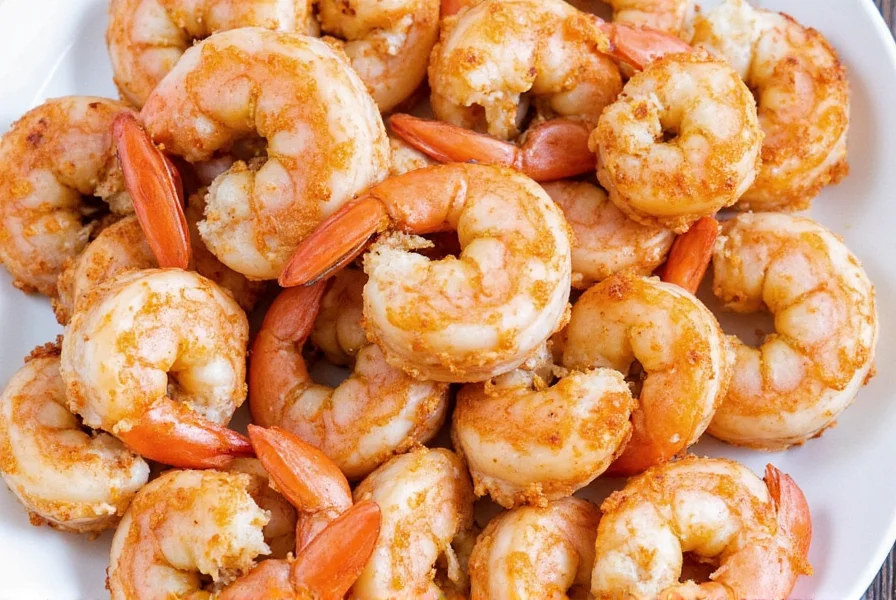
Introduction: Why Spices Make Shrimp Sing
There’s something magical about shrimp—plump, sweet, and quick-cooking—but what really brings them to life is the right blend of spices. Whether you’re searing them in a cast-iron skillet or tossing them into a spicy gumbo, choosing the right spices can make or break your dish.
In this article, we’ll walk through the top spices for shrimp, explain how they interact with seafood flavors, and offer a detailed buying guide so you know exactly which ones to stock up on next time you hit the grocery store or spice market.
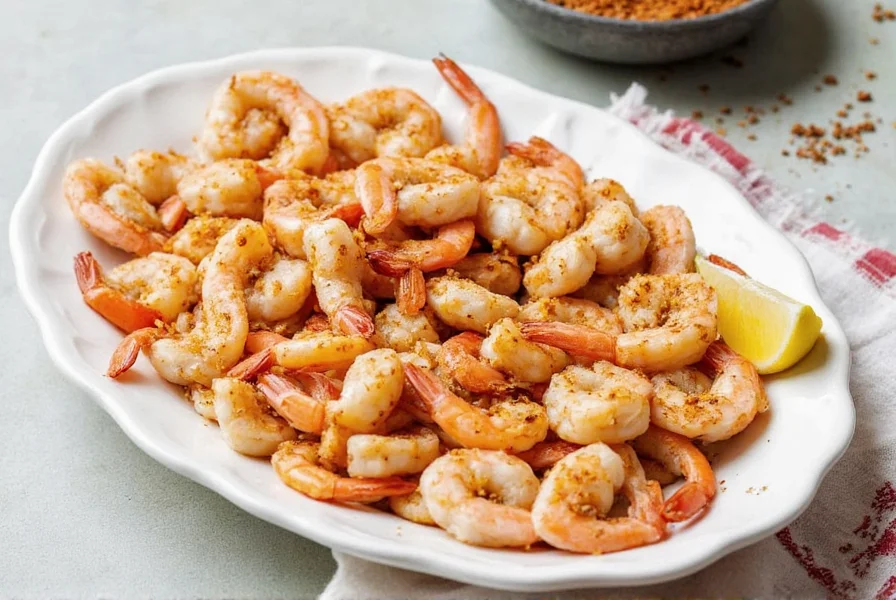
Top 10 Best Spices for Shrimp
- Cajun Seasoning
- Old Bay
- Paprika (Smoked & Sweet)
- Garlic Powder
- Lemon Pepper
- Cumin
- Chili Powder
- Dill
- Cilantro
- Turmeric
Flavor Profiles & Pairings
Each spice contributes a unique dimension to shrimp dishes. Here’s a breakdown of how each one enhances flavor:
| Spice | Flavor Profile | Best For | Pair With |
|---|---|---|---|
| Cajun Seasoning | Spicy, smoky, earthy | Gumbo, jambalaya, grilled shrimp | Green onions, bell peppers, rice |
| Old Bay | Salty, tangy, mildly spicy | Steamed shrimp, crab boils | Lemon, butter, corn |
| Smoked Paprika | Earthy, slightly sweet, smoky | Roasted or grilled shrimp | Olive oil, garlic, citrus zest |
| Garlic Powder | Rich, savory, aromatic | Butter-based sauces, stir-fries | White wine, olive oil, lemon juice |
| Lemon Pepper | Zesty, bright, peppery | Light dishes, pasta, grilling | Basil, oregano, white fish |
| Cumin | Nutty, warm, earthy | Mexican-style shrimp tacos | Avocado, lime, cilantro |
| Chili Powder | Hot, spicy, complex | Stir-fries, fajitas, marinades | Tomatoes, jalapeños, black beans |
| Dill | Fresh, herbal, slightly grassy | Salads, seafood soups | Yogurt, cucumber, sour cream |
| Cilantro | Vibrant, citrusy, aromatic | Salsas, tacos, curries | Lime, avocado, mango |
| Turmeric | Earthy, musky, mild bitterness | Curry bases, golden rice | Coconut milk, ginger, lime |
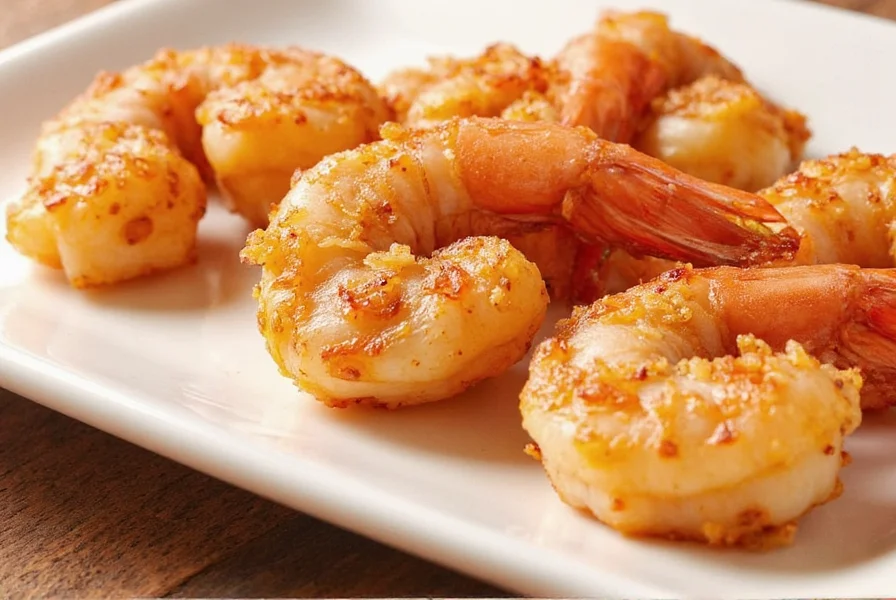
1. Cajun Seasoning – The Southern Powerhouse
If you're craving bold heat and deep umami, Cajun seasoning is your go-to spice. Packed with salt, garlic, onion powder, and cayenne, it's perfect for coating shrimp before hitting the grill or pan. Try mixing it into compound butter for an easy shrimp upgrade!
2. Old Bay – The Classic Seafood Spice
A staple on East Coast seafood boils, Old Bay adds a nostalgic depth with its mix of celery salt, mustard, paprika, and spices. It’s not just for crabs—try sprinkling it over roasted shrimp skewers or using it as a rimming spice for cocktail sauce.
3. Smoked Paprika – The Smoky Soul
Smoked paprika delivers a rich, smoky backbone that pairs beautifully with the sweetness of shrimp. A light dusting on shrimp before grilling can mimic the effect of wood-smoked seafood without needing a smoker.
4. Garlic Powder – The Secret Weapon
You don’t need fresh cloves every time—garlic powder dissolves easily into oils and sauces, making it ideal for quick shrimp dishes like scampi or stir-fries. It adds instant depth without any gritty texture.
5. Lemon Pepper – Brightness Meets Heat
For those who love zesty flavors, lemon pepper offers a clean, citrusy bite with a gentle kick. Use it on shrimp cocktails, pastas, or simple sautéed shrimp with olive oil and garlic.
6. Cumin – The Warm Embrace
This Middle Eastern and Mexican staple warms up shrimp beautifully. Sprinkle over shrimp tacos or mix into marinades for a rich, nutty undertone that balances well with acidic ingredients like lime or tomato.
7. Chili Powder – Kick It Up
Whether you're making chili-lime shrimp or spiced skewers, chili powder brings heat and complexity. Opt for varieties with minimal fillers for a more concentrated flavor.
8. Dill – Fresh & Herby Vibes
Dill’s cool, herbaceous notes are a dream with delicate seafood. Toss freshly chopped dill with shrimp salads or add dried dill to creamy sauces for dips or dressings.
9. Cilantro – Vibrant & Bold
Fresh cilantro is a must in Latin American and Southeast Asian cuisine. Crushed leaves add brightness to salsas, while dried versions offer convenience without much loss of flavor.
10. Turmeric – Earthy Depth
Turmeric may be earthy and slightly bitter, but it adds a golden glow and a subtle warmth that shines in curries and rice dishes featuring shrimp. Plus, it brings all the anti-inflammatory benefits!
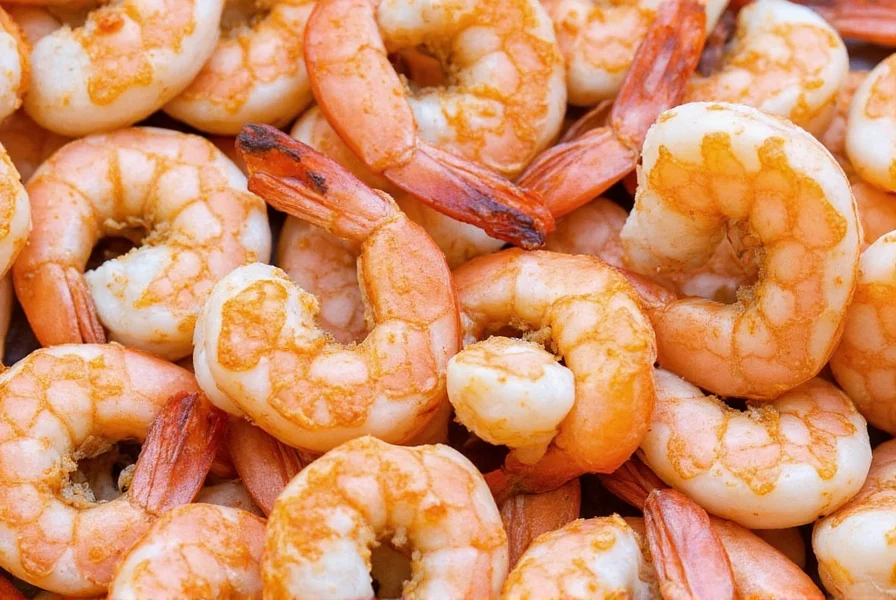
Cooking Techniques That Enhance Spice Absorption
The way you cook shrimp can affect how well they take on spices. Here are some pro tips:
- Marinating: Lightly acidic liquids like lemon juice or vinegar help tenderize shrimp and infuse them with flavor. Let marinate for no more than 30 minutes to avoid turning them mushy.
- Dry Rubs: Perfect for grilling or roasting. Mix spices with a touch of oil to help them stick, then let rest for 15–20 minutes before cooking.
- Compound Butter: Blend softened butter with spices like Old Bay, paprika, or lemon pepper for an instant gourmet touch.
- Layering Flavors: Start with a base spice like garlic powder, build with heat (cayenne or chili powder), finish with a final flourish like lemon zest or herbs.
Regional Spice Traditions for Shrimp
Spice preferences vary widely across cuisines. Here’s how different cultures season their shrimp:
| Region | Signature Spice Blend | Popular Dish | Key Flavor Notes |
|---|---|---|---|
| Creole (Louisiana) | Cajun / Creole seasoning | Jambalaya, étouffée | Heat, smokiness, paprika |
| Mexico | Ancho chili powder, cumin, oregano | Campechana, shrimp tacos | Deep, spicy, earthy |
| Asia | Curry paste, lemongrass, turmeric | Pad Thai, laksa, tom yum | Complex, aromatic, tangy |
| Mediterranean | Oregano, basil, paprika | Garlic shrimp, paella | Fresh, herbal, slightly smoky |
| Caribbean | Scotch bonnet, thyme, allspice | Grilled shrimp skewers | Fiery, herbal, tropical |
Buying Guide: Choosing the Right Spice for You
With so many options, picking the right spices for shrimp can feel overwhelming. Here’s a breakdown of what to look for based on your needs:
1. Best Overall Blend – Tony Chachere’s Original Creole Seasoning
- Features: Balanced heat, salty base, great for grilling and boiling
- Advantages: Versatile, affordable, widely available
- Use Case: Boiled shrimp, gumbo, fried seafood
- Target Audience: Home cooks, casual chefs
- Occasion: Weeknight dinners, tailgates, backyard parties
2. Best for Seafood Boils – Old Bay Classic Seafood Seasoning
- Features: Celery-forward, salty, with mild spice
- Advantages: Timeless taste, iconic brand
- Use Case: Steamed shrimp, crab boil, dipping sauces
- Target Audience: East Coasters, seafood lovers
- Occasion: Summer cookouts, seafood platters
3. Best Organic Option – Simply Organic Smoked Paprika
- Features: Pure, organic, intensely smoky
- Advantages: No additives, eco-friendly packaging
- Use Case: Grilled shrimp, Spanish tapas, aioli
- Target Audience: Health-conscious foodies
- Occasion: Dinner parties, fancy date nights
4. Best for Authentic Mexican – Goya Sazon con Culantro y Achiote
- Features: Colorful, culantro-heavy, with annatto color
- Advantages: Instant flavor boost, vibrant appearance
- Use Case: Camarones al mojo de ajo, arroz con camarones
- Target Audience: Latinos, fusion chefs
- Occasion: Family meals, fiestas, taco nights
5. Best for Curry Lovers – McCormick Culinary Yellow Curry Powder
- Features: Strong turmeric base, warming spices
- Advantages: Consistent quality, restaurant-grade
- Use Case: Coconut curry shrimp, yellow noodles
- Target Audience: Pro chefs, home curry enthusiasts
- Occasion: Dinner parties, rainy day comfort meals
How to Store Your Shrimp Spices Like a Pro
To keep your spices potent and flavorful, follow these storage guidelines:
- Keep in airtight containers away from heat and sunlight
- Label jars with purchase dates; most spices last 1–3 years
- Store whole spices separately from ground ones for optimal freshness
- Keep blends like Cajun seasoning in clearly labeled containers to avoid confusion
- Use a spice rack near the stove for easy access during cooking
Common Mistakes When Using Spices for Shrimp
Even seasoned cooks sometimes slip up. Avoid these common spice blunders:
- Over-salting: Many spice blends already contain salt
- Burning spices: Cook aromatics first, then add spices gently
- Ignoring acid balance: Balance heat with citrus or vinegar
- Using stale spices: Fresh spices = more punchy flavor
- Mixing too many spices at once: Less can be more with seafood
Final Thoughts: Finding Your Signature Shrimp Spice Style
Whether you lean toward the fiery drama of Cajun spice or the mellow charm of smoked paprika, the world of shrimp seasoning is yours to explore. Don’t be afraid to mix and match, experiment with regional flavors, or even create your own custom blend.
Once you find the spices that speak to your taste buds, your shrimp will never be bland again. So grab that bag of raw shrimp and start experimenting—you might just discover your new favorite flavor combination!
FAQs: Your Shrimp Spice Questions Answered
Q: Can I use fresh herbs instead of dried spices?
A: Absolutely! Just keep in mind that fresh herbs are less concentrated, so use them generously and add later in the cooking process to preserve flavor.
Q: What if my shrimp tastes too spicy?
A: Add a dollop of yogurt, sour cream, or a squeeze of lime to balance out the heat.
Q: Do I need to marinate shrimp with spices?
A: Not always, but marinating can deepen the flavor. Be cautious—not too long, or the texture can suffer.
Q: Can I reuse spice blends on other seafood?
A: Yes! Most shrimp-compatible spices work well with scallops, squid, or even firm white fish like halibut.




 浙公网安备
33010002000092号
浙公网安备
33010002000092号 浙B2-20120091-4