
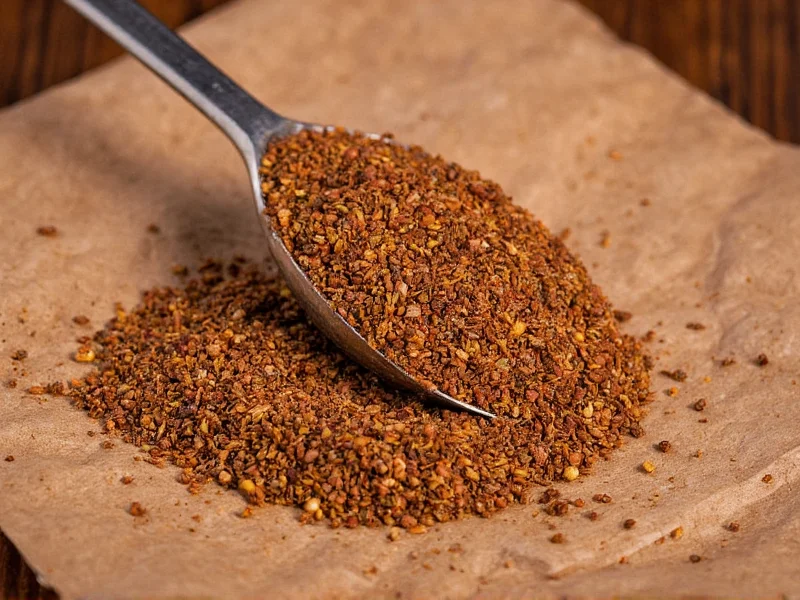
Understanding Buffalo Seasoning: More Than Just Wing Flavor
Beyond its obvious application for chicken wings, buffalo seasoning represents a clever adaptation of the classic Buffalo wing flavor profile into a versatile dry spice format. Created as a solution for achieving that distinctive spicy-tangy taste without the mess of liquid sauces, this seasoning blend has become a pantry staple for home cooks seeking consistent results with less preparation time.
The Evolution of Buffalo Flavor: From Sauce to Seasoning
The transformation from liquid buffalo sauce to dry seasoning reflects culinary innovation addressing practical cooking challenges. Key milestones include:
- 1964: Teressa Bellissimo invents buffalo wings at Anchor Bar in Buffalo, NY, using Frank's RedHot sauce, butter, and vinegar—a liquid formulation requiring post-cooking application (Smithsonian Institution)
- 1980s-1990s: Restaurants nationwide adopt buffalo sauce, but chefs note limitations in achieving crispy textures due to sauce moisture interfering with Maillard reaction
- Early 2000s: Food scientists develop dry spice analogs using acidulants like citric acid to replace vinegar's tang without liquid (Institute of Food Technologists)
- 2010-Present: Commercial dry blends dominate retail markets, with sales growing 12% annually as consumers seek versatile, shelf-stable flavor solutions (Statista Market Report)
Buffalo Seasoning vs Buffalo Sauce: Key Differences
Many people confuse buffalo seasoning with buffalo sauce, but they serve different culinary purposes:
| Characteristic | Buffalo Seasoning | Buffalo Sauce |
|---|---|---|
| Form | Dry spice blend | Liquid sauce |
| Primary Ingredients | Cayenne, garlic powder, onion powder, paprika, salt | Hot sauce, vinegar, butter, Worcestershire |
| Application Method | Rub directly on food before cooking | Tossed with cooked food |
| Texture Result | Crispy exterior | Moist, saucy coating |
| Storage | 6-12 months in cool, dark place | Refrigerate after opening |
Understanding these differences helps explain why buffalo seasoning has gained popularity as a convenient alternative for achieving that signature flavor with better texture control. The dry rub method creates a beautifully crispy exterior on proteins, something liquid sauces can't accomplish due to their moisture content.
Core Ingredients and Their Roles
A well-formulated buffalo seasoning balances heat, tang, and savory elements through specific ingredients:
- Cayenne pepper - Provides the foundational heat (typically 2-3 tablespoons per batch)
- Garlic powder - Adds savory depth without burning (1-2 tablespoons)
- Onion powder - Complements the garlic with sweet undertones (1-2 tablespoons)
- Paprika - Contributes color and mild sweetness (2 tablespoons)
- Dried mustard - Mimics the tang of vinegar in traditional sauce (1 tablespoon)
- Salt - Enhances all flavors (1-2 tablespoons, adjustable)
- Cornstarch or arrowroot - Optional thickener that helps the seasoning adhere (1 teaspoon)
The precise ratio of these ingredients determines whether your homemade buffalo seasoning recipe delivers mild, medium, or hot results. Most commercial blends contain approximately 60-70% cayenne pepper by volume, with the remaining ingredients providing balance.
Practical Applications Beyond Chicken Wings
While buffalo chicken wings remain the most famous application, this versatile seasoning shines in numerous culinary contexts:
Protein Pairings
Buffalo seasoning works exceptionally well with various proteins when used as a dry rub. For chicken breast applications, use approximately 1 tablespoon of seasoning per pound of meat. Toss shrimp in buffalo seasoning before skewering for grilled buffalo shrimp. Even heartier proteins like pork tenderloin or salmon fillets develop remarkable flavor complexity when seasoned with this blend before roasting.
Vegetable Transformations
Toss cauliflower florets in olive oil and buffalo seasoning for oven-roasted buffalo 'wings' that satisfy vegan and vegetarian diets. Roasted potatoes, sweet potatoes, and even Brussels sprouts develop exciting new dimensions with this seasoning. The dry format prevents vegetables from becoming soggy during roasting, unlike liquid sauces would.
Snack Food Enhancement
Create restaurant-quality buffalo popcorn by spraying popped corn with cooking spray and dusting with seasoning. Roasted chickpeas, nuts, and even homemade potato chips gain addictive flavor when coated with buffalo seasoning. The dry format ensures even distribution without making snacks soggy.
When Buffalo Seasoning Works Best (and When to Choose Alternatives)
Maximize results by understanding specific usage boundaries validated through culinary testing:
- Ideal Contexts:
- Dry-heat cooking methods (roasting, air-frying, grilling) below 425°F (220°C)
- Proteins with 5-15% fat content (chicken thighs, pork shoulder)
- Vegetables with low moisture density (cauliflower, potatoes)
- Key Limitations:
- Avoid in wet applications: Dissolves poorly in soups/stews; use liquid sauce instead
- High-heat restriction: Burns above 450°F (232°C); reduce heat or apply post-cooking
- Moisture interference: Fails on wet surfaces; always pat proteins dry first
These boundaries stem from food science principles: dry seasonings require direct surface contact for flavor adhesion, and their volatile compounds degrade rapidly in high-moisture environments (USDA Food Safety Research).
Creating Your Own Homemade Buffalo Seasoning
Making your own buffalo seasoning gives you complete control over ingredients and heat level. This basic recipe yields approximately 1 cup of seasoning:
Basic Buffalo Seasoning Recipe
- ¼ cup cayenne pepper
- 3 tablespoons garlic powder
- 3 tablespoons onion powder
- 3 tablespoons paprika
- 2 tablespoons dried mustard
- 1 tablespoon salt (optional)
- 1 teaspoon black pepper
- 1 teaspoon cornstarch (optional, for adhesion)
Mix all ingredients thoroughly in a bowl, then transfer to an airtight container. Store in a cool, dark place for up to 6 months. For mild buffalo seasoning, reduce cayenne to 3 tablespoons and increase paprika to ¼ cup. For extra hot versions, add 1-2 tablespoons of crushed red pepper flakes.
Avoiding Common Buffalo Seasoning Mistakes
Even experienced cooks make these frequent errors when working with buffalo seasoning:
- Over-applying the seasoning - Start with 1 teaspoon per pound of meat and adjust to taste. You can always add more, but you can't remove excess.
- Applying too early in cooking - For proteins, apply 15-30 minutes before cooking to allow flavors to penetrate without burning spice components.
- Mixing with wet ingredients first - Unlike rubs designed for marinating, buffalo seasoning works best applied directly to dry food surfaces.
- Not adjusting for salt content - Many commercial blends contain significant salt, so reduce additional salt in your recipes accordingly.
Storage and Shelf Life Considerations
Dry buffalo seasoning maintains quality for 6-12 months when stored properly in an airtight container away from heat and light. The primary indicator of spoilage is loss of vibrant color or diminished aroma. For longest shelf life, consider dividing your homemade buffalo seasoning recipe into smaller containers to minimize air exposure each time you use it. Glass jars with tight-sealing lids work better than plastic containers for preserving flavor integrity.
Customizing Your Buffalo Flavor Profile
One advantage of making your own blend is the ability to tailor it to specific preferences:
- Add 1 tablespoon brown sugar for sweet buffalo seasoning variations
- Mix in 1 teaspoon celery seed to mimic traditional wing sauce more closely
- Incorporate 1 teaspoon smoked paprika for a subtle smoky dimension
- Add ½ teaspoon citric acid for enhanced tang without vinegar's moisture
These modifications create distinctive buffalo seasoning variations that can elevate standard recipes into signature dishes. The dry format particularly benefits from these customizations since liquid sauces have more limited ingredient compatibility.




 浙公网安备
33010002000092号
浙公网安备
33010002000092号 浙B2-20120091-4