
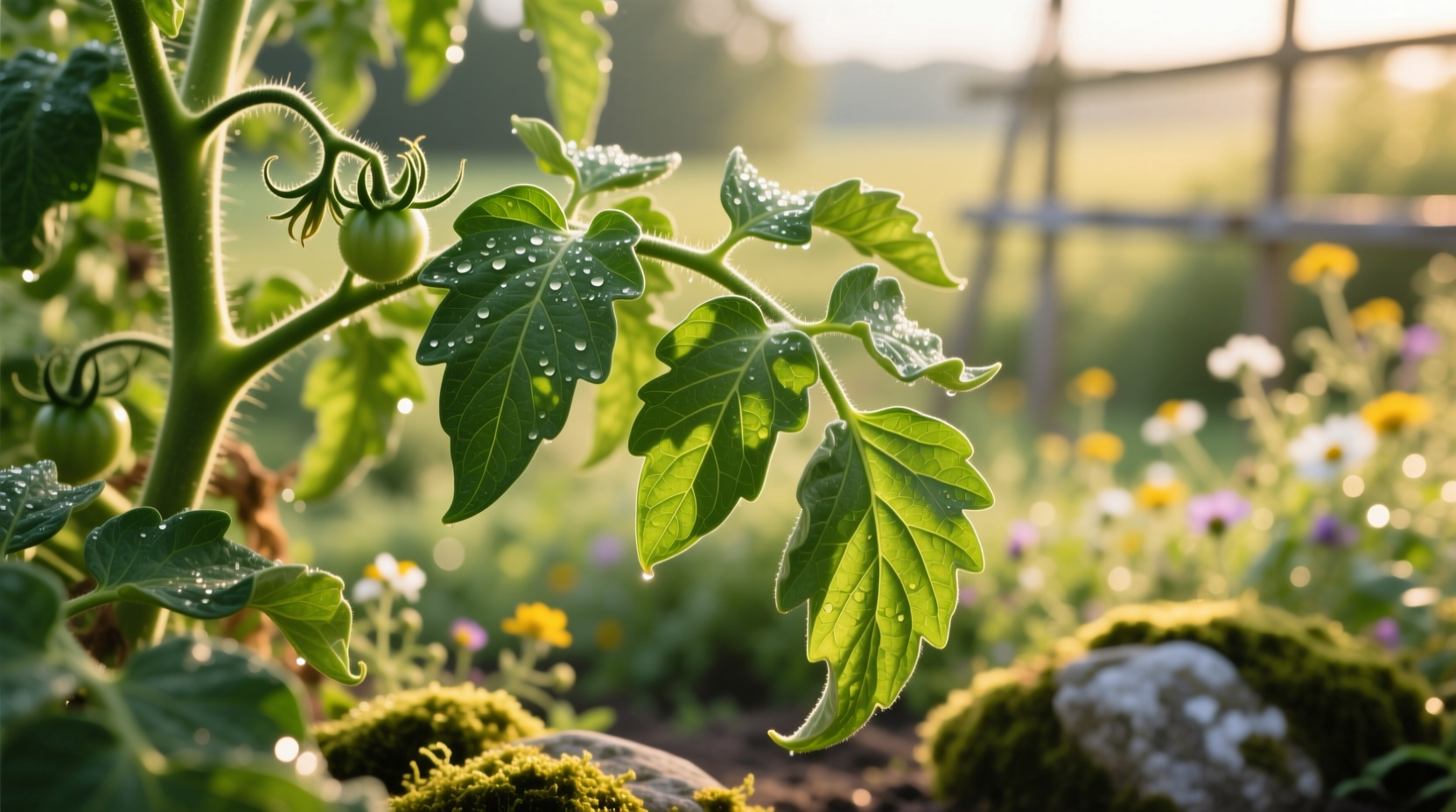
Discover exactly what makes Brandywine tomato leaves unique and how to use their distinctive characteristics to identify this prized heirloom variety. Whether you're a beginner gardener trying to confirm your plant's identity or an experienced grower troubleshooting leaf issues, this guide delivers practical, science-backed information you can trust.
Why Brandywine Leaves Stand Out From Other Tomato Varieties
Brandywine tomatoes belong to the "potato-leaf" variety of tomatoes, named for their resemblance to potato plant foliage. Unlike the typical serrated, fern-like leaves of most tomato varieties, Brandywine leaves feature smooth, oval-shaped edges with a distinctive deep green color and slightly fuzzy texture.
This unique leaf structure isn't just for identification—it serves functional purposes. The thicker cuticle and slightly fuzzy surface help reduce water loss and provide some natural resistance to certain pests. Understanding these characteristics helps gardeners provide appropriate care and quickly spot potential problems.
| Leaf Characteristic | Brandywine Tomato | Standard Tomato Varieties |
|---|---|---|
| Leaf Shape | Smooth, oval edges (potato-leaf) | Serrated, fern-like edges |
| Texture | Slightly fuzzy, thicker cuticle | Smooth, thinner cuticle |
| Color | Deep, rich green | Bright to medium green |
| Growth Habit | Large, vigorous indeterminate vines | Varies by variety (determinate/indeterminate) |
How to Identify Brandywine Tomato Plants by Their Leaves
Even before fruiting, you can confidently identify Brandywine tomato plants through their distinctive foliage. Look for these key characteristics:
- Smooth leaf margins without the typical serrations found on most tomato varieties
- Oval-shaped leaflets that create a more rounded overall leaf appearance
- Deep green coloration that appears richer than many hybrid varieties
- Slightly fuzzy texture when touched (due to trichomes on the leaf surface)
- Larger leaf size compared to many modern hybrid varieties
These identification markers remain consistent across different Brandywine sub-varieties (like Brandywine Pink, Brandywine Yellow, and Brandywine Red), making leaf identification reliable regardless of fruit color.
Healthy Brandywine Leaves: What to Look For
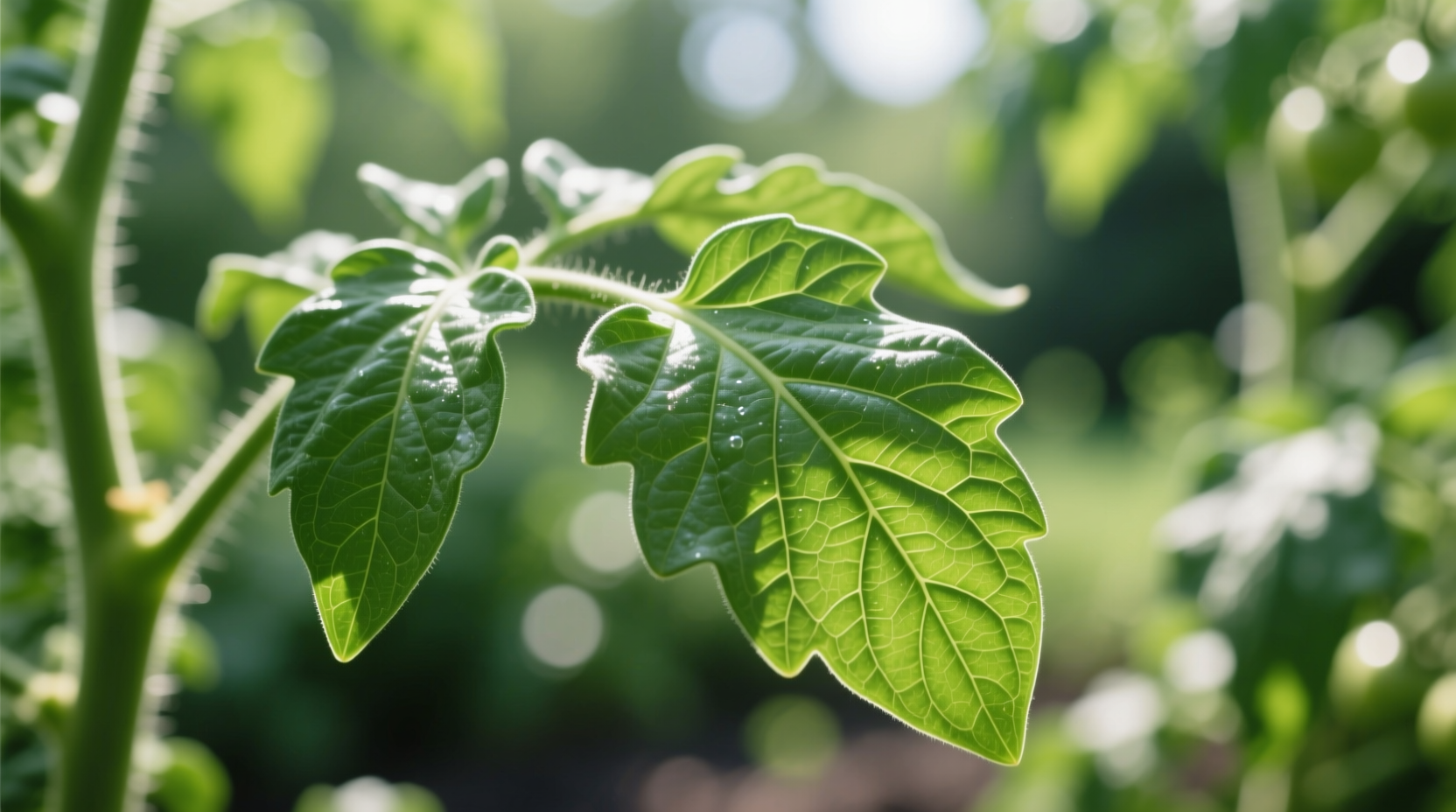
Healthy Brandywine tomato leaves display consistent deep green coloration without yellowing, spotting, or unusual markings. The leaves should feel sturdy but flexible when gently touched, with no signs of wilting during normal daytime temperatures.
During peak growing season, expect vigorous leaf production with new growth appearing slightly lighter green than mature leaves. Brandywine's indeterminate growth habit means continuous leaf production throughout the growing season, with vines potentially reaching 6-10 feet in height under optimal conditions.
Common Brandywine Leaf Problems and Solutions
While Brandywine tomatoes are prized for their exceptional flavor, their heirloom status means they may be more susceptible to certain leaf issues than modern hybrids. Recognize these common problems:
Early Blight
Identified by concentric ring patterns on older leaves, often starting at the bottom of the plant. This fungal disease thrives in warm, humid conditions. Solution: Remove affected leaves immediately, avoid overhead watering, and apply copper-based fungicide if needed. The University of Minnesota Extension confirms that heirloom varieties like Brandywine often require more vigilant disease monitoring than modern hybrids (extension.umn.edu).
Septoria Leaf Spot
Appears as small, circular spots with dark edges and light centers. Progresses from lower to upper leaves. Solution: Improve air circulation, remove affected foliage, and apply neem oil as a preventive measure.
Nutrient Deficiencies
Yellowing between veins indicates magnesium deficiency, while overall yellowing suggests nitrogen deficiency. Brandywine's vigorous growth demands consistent nutrition. Solution: Apply balanced organic fertilizer every 3-4 weeks and supplement with epsom salts for magnesium needs.
Optimal Growing Conditions for Healthy Brandywine Leaves
Brandywine tomatoes originated in the late 19th century and have maintained their distinctive characteristics through careful seed saving. According to historical records from the Seed Savers Exchange, the variety was first documented around 1885 and has been preserved through generations of gardeners (seedsavers.org).
For optimal leaf health, provide these growing conditions:
- Sunlight: Minimum 6-8 hours of direct sunlight daily
- Soil: Well-draining, loamy soil with pH 6.2-6.8
- Watering: Consistent moisture (1-2 inches weekly), avoiding leaf contact
- Spacing: 24-36 inches between plants for proper air circulation
- Support: Strong trellising system to handle vigorous vine growth
Brandywine performs best in moderate climates with extended growing seasons. In regions with short summers, start seeds indoors 6-8 weeks before last frost. The USDA Agricultural Research Service notes that potato-leaf varieties like Brandywine often show better heat tolerance than standard-leaf tomatoes in certain conditions (ars.usda.gov).
Pruning and Maintenance for Optimal Leaf Health
Proper pruning significantly impacts Brandywine leaf health and overall plant productivity. Unlike some determinate varieties, Brandywine's indeterminate growth requires strategic pruning:
- Remove suckers below the first fruit cluster to direct energy to main stems
- Prune lower leaves that touch the soil to prevent disease transmission
- Thin dense foliage to improve air circulation and light penetration
- Avoid excessive pruning which can stress the plant and reduce photosynthesis
When pruning, always use clean, sharp tools and avoid working with wet plants to minimize disease spread. Morning is the best time for pruning, allowing wounds to dry during the day.
Brandywine Leaves vs. Other Heirloom Varieties
While all potato-leaf tomatoes share similar foliage characteristics, Brandywine leaves have subtle differences from related varieties:
- Mortgage Lifter: Similar leaf structure but slightly smaller with less pronounced fuzziness
- Cherokee Purple: Standard leaf type (not potato-leaf) with more serrated edges
- Black Krim: Intermediate leaf type with some serration but not fully potato-leaf
- German Johnson: Standard leaf type with more open growth habit
These distinctions become particularly valuable when growing multiple heirloom varieties in close proximity.
Frequently Asked Questions About Brandywine Tomato Leaves
Are Brandywine tomato leaves edible?
No, Brandywine tomato leaves are not edible. Like all tomato plant leaves, they contain tomatine and other alkaloids that can cause digestive upset if consumed in significant quantities. While small amounts in cooking (like using a leaf as garnish) pose minimal risk, they shouldn't be eaten intentionally.
Why are my Brandywine tomato leaves turning yellow?
Yellowing Brandywine leaves typically indicate either nitrogen deficiency (uniform yellowing), magnesium deficiency (yellowing between veins), or early blight (circular spots with concentric rings). Check if yellowing starts on older or newer growth, and examine for spots or patterns to determine the specific cause before treating.
Do Brandywine tomato plants require different care than other varieties?
Yes, Brandywine's potato-leaf structure and heirloom status mean they often require more attentive care than modern hybrids. They benefit from consistent moisture, careful disease monitoring, strong support systems, and may need more frequent feeding due to their vigorous growth habit and larger fruit size.
How can I tell if my plant is a true Brandywine variety?
True Brandywine plants display distinctive potato-leaf foliage with smooth, oval-shaped edges rather than the serrated leaves of standard varieties. The leaves have a slightly fuzzy texture and deep green color. If your plant has fern-like, serrated leaves, it's likely not a true Brandywine but possibly a similar heirloom variety.
Should I remove yellow leaves from my Brandywine tomato plant?
Yes, remove yellow or diseased leaves from the bottom third of your Brandywine plant, as these often indicate natural senescence or early disease. However, avoid removing too many leaves at once, as foliage is essential for photosynthesis. Never remove more than one-third of the plant's leaves during any single pruning session.




 浙公网安备
33010002000092号
浙公网安备
33010002000092号 浙B2-20120091-4