
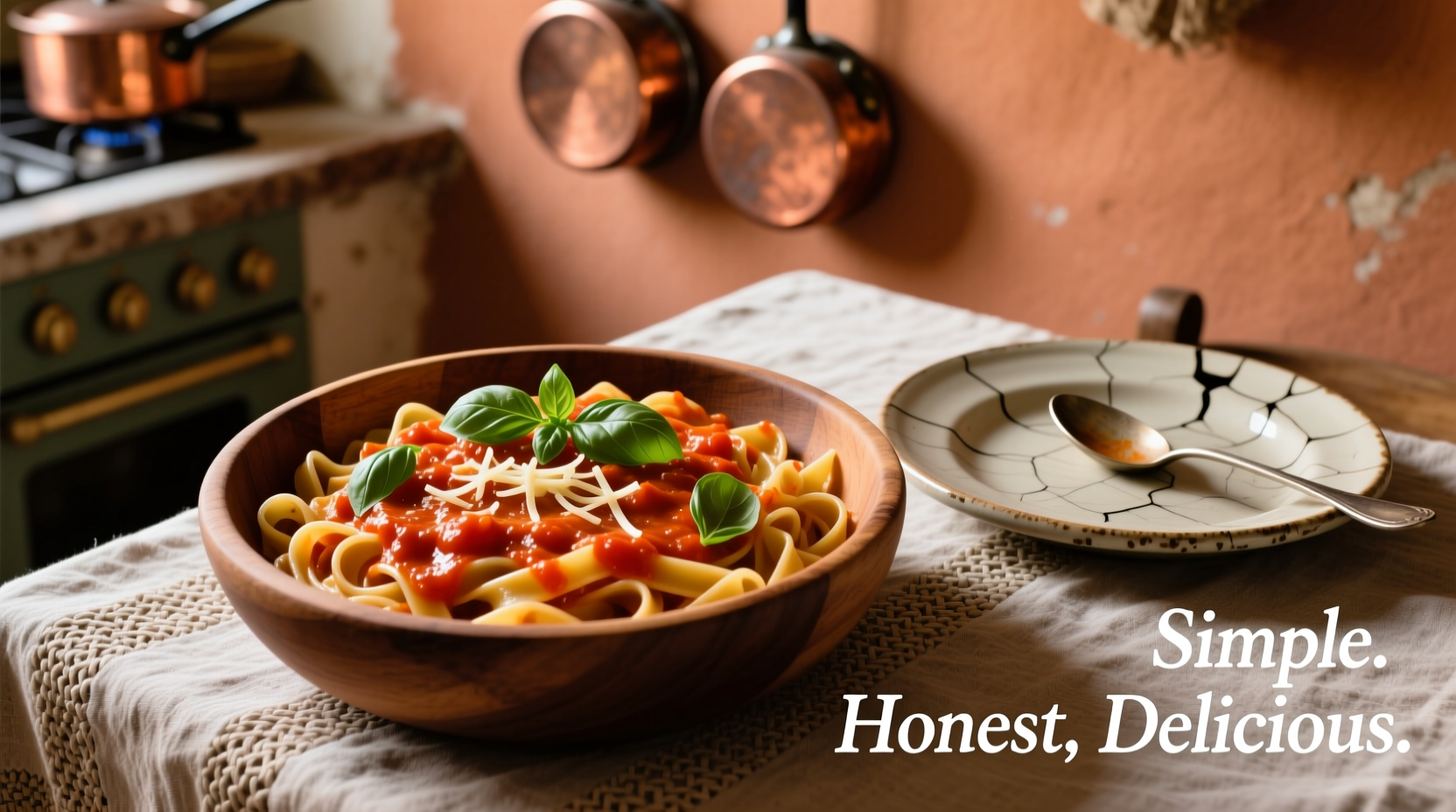
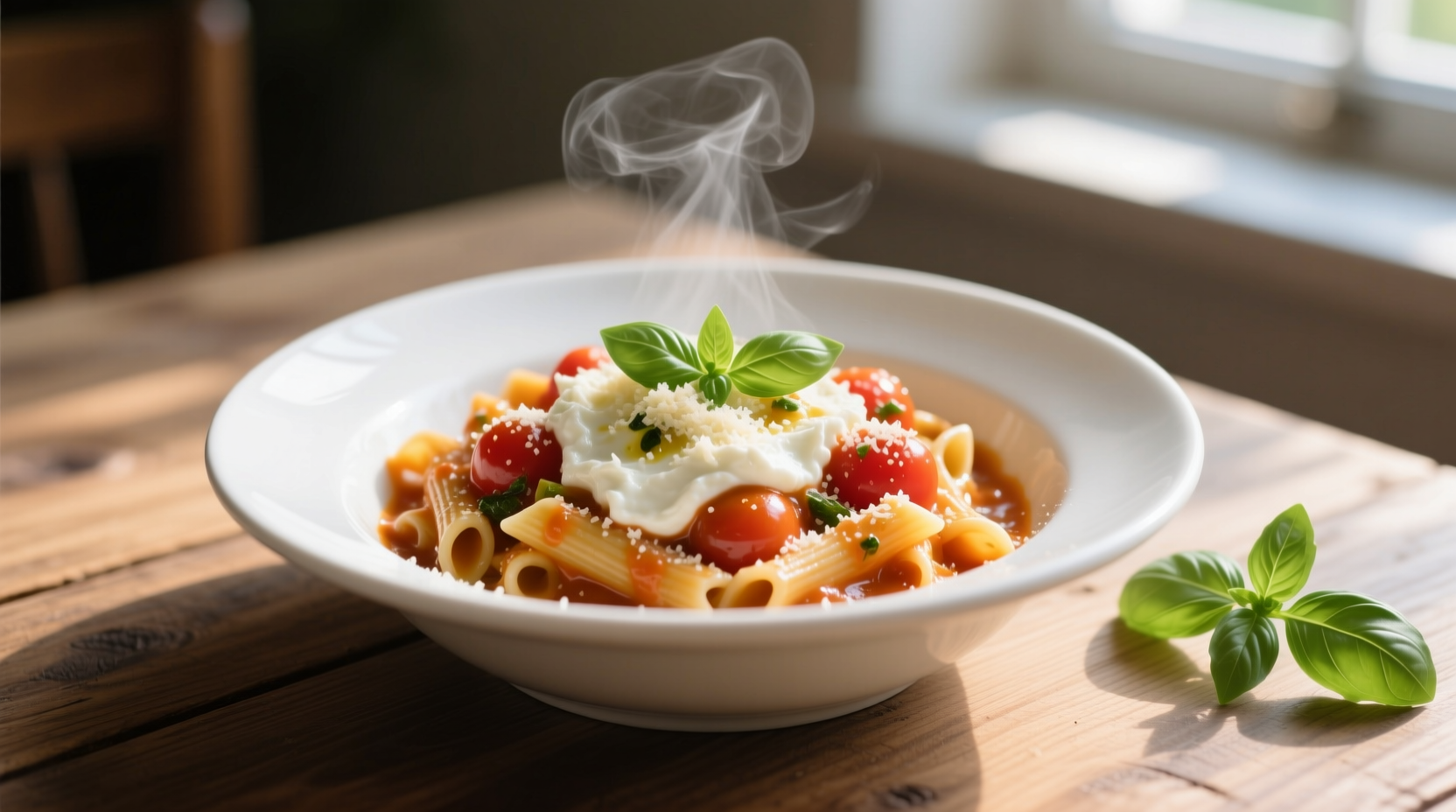
Tomato ricotta pasta combines vibrant tomato sauce with creamy ricotta for a light yet satisfying meal ready in half an hour. Unlike traditional creamy pasta dishes that rely on heavy cream, this version uses ricotta's natural texture to create luxurious mouthfeel while keeping calories lower. The magic happens when fresh tomatoes meet high-quality ricotta—the acid in tomatoes gently firms the cheese while maintaining its delicate creaminess.
Why This Recipe Works Every Time
The secret to exceptional tomato ricotta pasta lies in understanding dairy chemistry. Ricotta's unique protein structure reacts differently to heat than other cheeses. According to USDA Food Research, heating ricotta above 160°F (71°C) causes irreversible protein denaturation, leading to graininess. Our method keeps temperatures controlled by adding ricotta off-heat, preserving its smooth texture.
| Ricotta Type | Moisture Content | Best For Pasta | Shelf Life |
|---|---|---|---|
| Fresh Whole Milk | 80-85% | ★★★★★ Ideal for sauces | 5-7 days |
| Part-Skim | 75-80% | ★★★☆☆ Acceptable | 7-10 days |
| Dried Shelf-Stable | 10-15% | ★☆☆☆☆ Not recommended | 6+ months |
Essential Ingredients Checklist
Quality ingredients make the difference between good and extraordinary tomato ricotta pasta. Choose these specific varieties for best results:
- Roma tomatoes - Lower moisture content prevents watery sauce (per University of Minnesota Extension)
- Fresh whole milk ricotta - Avoid preshredded or shelf-stable versions
- High-quality extra virgin olive oil - Adds fruitiness that complements tomatoes
- Fresh basil - Adds aromatic complexity that dried herbs can't match
Step-by-Step Cooking Process
Follow these professional techniques for perfect texture every time:
- Prep tomatoes properly - Score Roma tomatoes, blanch 60 seconds, then shock in ice water for easy peeling
- Control moisture content - After removing skins, seed tomatoes and drain excess liquid
- Sauté aromatics gently - Cook garlic in olive oil at medium-low heat for 2 minutes until fragrant but not browned
- Simmer sauce briefly - Cook tomatoes 10-12 minutes until thickened (longer cooking increases acidity)
- Add ricotta off-heat - Remove pan from burner before incorporating cheese to prevent curdling
- Emulsify with pasta water - Stir in ¼ cup starchy cooking water to create silky texture
Avoid These Common Mistakes
Even experienced cooks make these errors with tomato ricotta pasta:
- Using watery tomatoes - Beefsteak varieties contain too much liquid, diluting flavor
- Adding ricotta to boiling sauce - Causes immediate curdling and grainy texture
- Overcooking the pasta - Should be slightly underdone when added to sauce (al dente)
- Skipping the finishing oil - A drizzle of high-quality olive oil before serving enhances mouthfeel
When This Recipe Works Best (And When It Doesn't)
Understanding context boundaries improves your cooking success rate. This tomato ricotta pasta shines in these situations:
- When using peak-season tomatoes (June-September in Northern Hemisphere)
- For light summer dinners where heavy cream would feel oppressive
- When accommodating guests who prefer lower-calorie creamy dishes
Consider alternative approaches when:
- Using off-season tomatoes (winter months) - Opt for high-quality canned San Marzano tomatoes instead
- Serving to guests with dairy sensitivities - Substitute with cashew cream
- Planning leftovers - Ricotta-based sauces don't reheat as well as cream-based versions
Serving and Storage Tips
Maximize flavor and texture with these professional recommendations:
- Serve immediately - Ricotta sauces taste best fresh due to delicate texture
- Garnish strategically - Fresh basil and lemon zest brighten flavors better than Parmesan
- Store properly - Keep in airtight container for up to 2 days (reheat gently with splash of water)
- Repurpose leftovers - Transform into baked pasta dish with additional cheese topping




 浙公网安备
33010002000092号
浙公网安备
33010002000092号 浙B2-20120091-4