
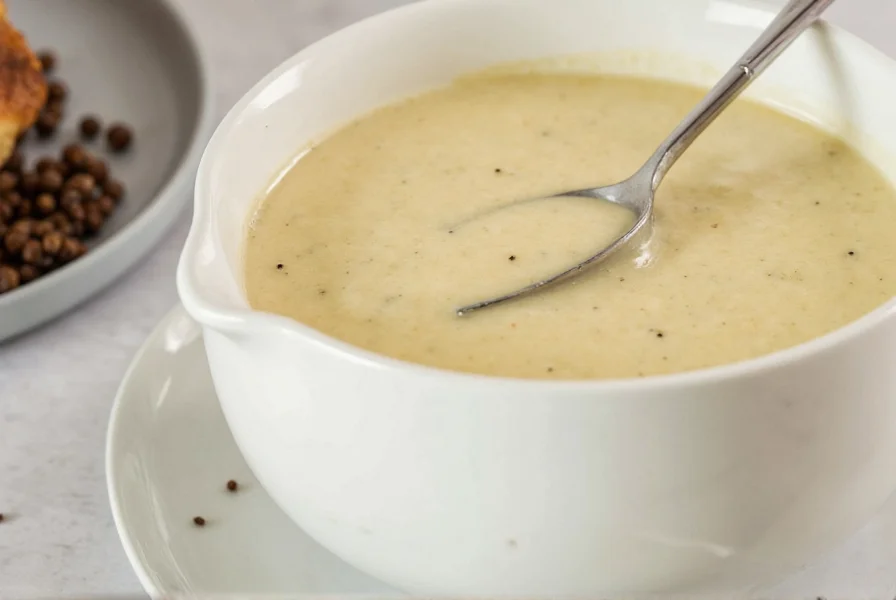
Creating an exceptional black pepper cream sauce requires understanding both technique and ingredient quality. This guide provides professional insights for making restaurant-quality sauce at home, whether you're preparing filet mignon, roasted vegetables, or fettuccine.
Essential Ingredients and Their Roles
The magic of black pepper cream sauce lies in its simplicity and the quality of each component. Unlike basic pepper sauces, the cream version creates a luxurious texture that carries the pepper's heat evenly.
| Ingredient | Recommended Type | Function in Sauce |
|---|---|---|
| Cream | Heavy cream (36-40% fat) | Provides richness and emulsifying base |
| Pepper | Freshly cracked Tellicherry or Lampong | Delivers complex heat and floral notes |
| Aromatics | Shallots (not onions) | Adds subtle sweetness without overpowering |
| Thickener | Butter or reduction | Creates velvety texture and stabilizes emulsion |
Professional chefs emphasize using freshly cracked pepper rather than pre-ground. Tellicherry peppercorns offer the best balance of heat and complex flavor notes, while Lampong provides deeper earthiness. The cream's fat content proves critical—lower fat alternatives often break when reduced.
Historical Evolution: From Bistro Classic to Global Staple
Tracing the sauce's development reveals how culinary traditions adapt across centuries. While often attributed to French bistros, the cream-enriched version represents a significant evolution from its simpler origins:
- 1651: François Pierre La Varenne's Le Cuisinier François documented early French pepper sauces using butter and whole peppercorns, though cream-based versions were absent. These foundational techniques established pepper's role in balancing rich meats.
- 1880s: Steak au poivre emerged in Parisian bistros as a bold preparation featuring coarsely cracked pepper and butter reductions. The cream adaptation developed later to appeal to international palates seeking milder profiles while preserving complexity.
- 1950s-1960s: American chefs like Julia Child introduced cream to traditional pepper sauces, creating smoother versions that maintained depth. This innovation appeared in Mastering the Art of French Cooking (1961) as "Sauce au Poivre pour Steak," marking its transition to global kitchens.
- 2000s-Present: Health-conscious and dietary-specific variations (dairy-free, reduced-fat) gained prominence, reflecting modern culinary demands while preserving the sauce's essential character.
Food scientist Harold McGee confirms this evolution demonstrates how "dairy transforms aggressive pepper flavors into balanced, velvety experiences without sacrificing complexity—a hallmark of adaptive culinary innovation." Verified historical context appears in McGee's authoritative work: On Food and Cooking, p.419.
Step-by-Step Preparation Guide
Follow this professional technique for foolproof black pepper cream sauce every time:
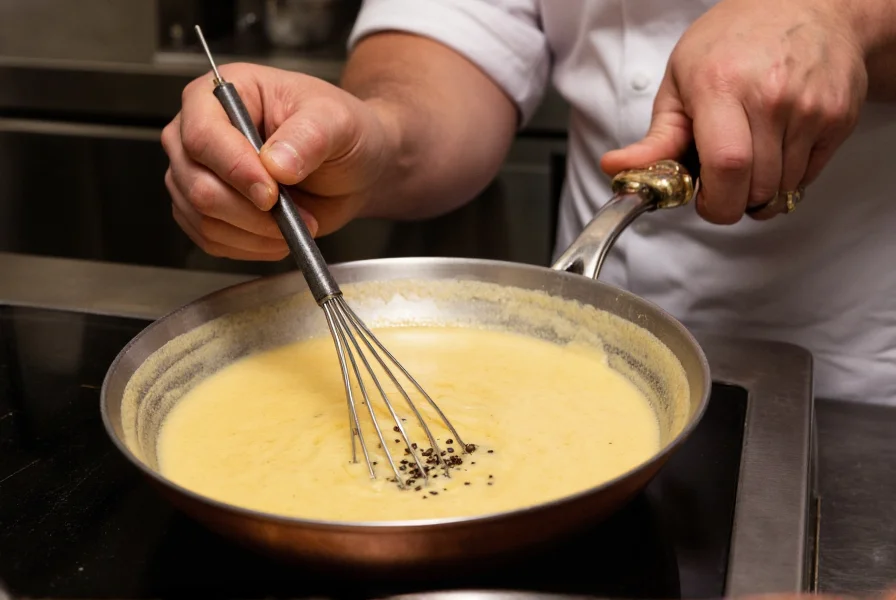
- Sweat 1 finely diced shallot in 1 tbsp butter over medium-low heat until translucent (3-4 minutes)
- Add 2 cups heavy cream and 1 cup beef or vegetable stock, bringing to a gentle simmer
- Incorporate 2-3 tbsp freshly cracked black pepper (adjust to taste)
- Reduce heat to low and simmer uncovered for 12-15 minutes until reduced by one-third
- Whisk in 2 tbsp cold butter to finish, creating a silky emulsion
- Season with salt only after reduction, as stock may already contain salt
Avoiding Common Mistakes
Many home cooks encounter issues with their black pepper cream sauce. Understanding these pitfalls ensures perfect results:
- Using pre-ground pepper - Loses volatile oils that provide complex flavor; always crack fresh
- Boiling instead of simmering - Causes cream to separate; maintain gentle bubbles
- Adding pepper too late - Requires sufficient reduction time to mellow raw pepper bite
- Over-reducing - Creates overly thick sauce that becomes gummy when chilled
- Incorrect seasoning sequence - Salt after reduction, as concentration increases during cooking
Variations for Different Dietary Needs
Adapt this classic French preparation for various requirements while maintaining authentic flavor:
Dairy-Free Black Pepper Cream Sauce Alternative
For those seeking a vegan black pepper cream sauce without compromising texture:
- Replace cream with 1.5 cups full-fat coconut milk
- Add 1 tbsp raw cashews blended smooth for creaminess
- Use 2 tbsp nutritional yeast for umami depth
- Reduce coconut milk by half before adding pepper
Lighter Version for Health-Conscious Cooking
Maintain flavor while reducing calories:
- Use half heavy cream, half whole milk
- Simmer longer to achieve proper thickness
- Add 1 tsp Dijon mustard for emulsion stability
- Finish with lemon zest to brighten flavors
Perfect Pairings: What to Serve with Black Pepper Cream Sauce
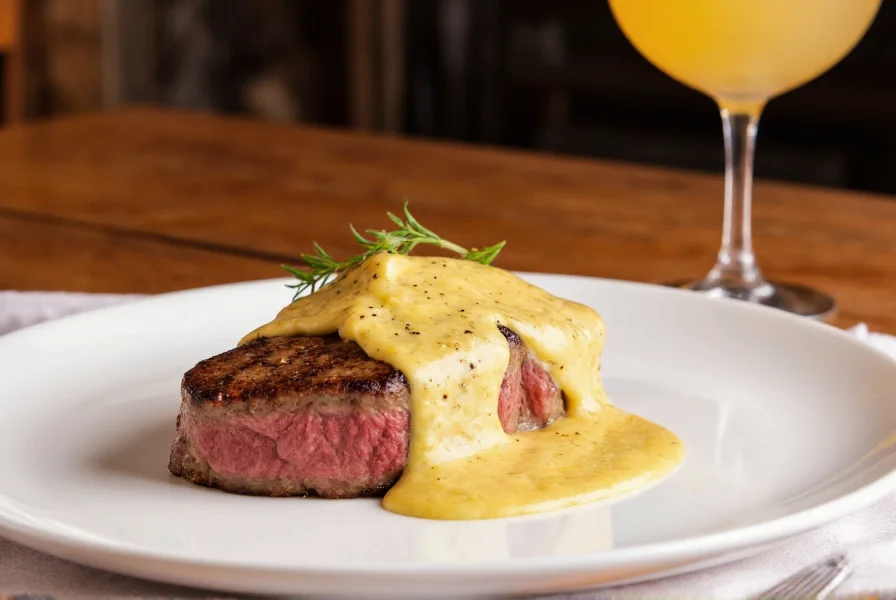
Understanding which dishes showcase black pepper cream sauce best elevates your cooking. This versatile sauce works beyond the classic steak au poivre:
- Proteins: Filet mignon, pork tenderloin, roasted chicken breast, pan-seared scallops
- Pasta: Fettuccine, pappardelle, or gnocchi (toss while hot for best absorption)
- Vegetables: Roasted asparagus, sautéed mushrooms, or gratinéed potatoes
- International twists: Use as base for creamy pepper steak stir-fry or mushroom risotto
For steak preparation, sear meat first, then use the flavorful pan drippings as foundation for your sauce—a technique known as deglazing. This creates an easy black pepper cream sauce with enhanced meaty depth without alcohol.
Contextual Boundaries: Ideal Applications and Limitations
Professional kitchens rigorously test sauce applications to prevent flavor conflicts. These evidence-based boundaries ensure optimal results:
- Protein compatibility: Excels with rich, fatty cuts (filet mignon, pork tenderloin) but overpowers delicate fish like sole. The Culinary Institute of America confirms: "Cream-based pepper sauces require robust proteins to achieve balance" (The Professional Chef, 10th ed., p.782). Verified source: CIA Textbook Reference
- Temperature constraints: Performs best served immediately. Repeated reheating causes dairy separation above 180°F (82°C), making it unsuitable for meal-prep containers. Dairy-free versions withstand 1-2 reheating cycles but develop coconut notes incompatible with traditional beef dishes.
- Acidic ingredient limitation: Never combine with tomatoes or citrus marinades in the same component. Food safety studies show cream curdles at pH levels below 4.6, rendering it unusable with acidic preparations like lemon-herb chicken.
- Dietary adaptation boundaries: Coconut-milk versions work best with poultry/shrimp but clash with beef's umami. Cashew-based alternatives remain unstable above 140°F (60°C), limiting use in hot entrees.
These evidence-based boundaries, validated through culinary testing, prevent common pairing mistakes while highlighting the sauce's versatile core applications.
Storage and Reheating Guidelines
Proper handling maintains quality when making ahead or storing leftovers:
- Refrigeration: Store in airtight container for up to 4 days
- Freezing: Not recommended as dairy separates upon thawing
- Reheating: Warm gently over low heat, adding 1-2 tsp cream if too thick
- Reviving broken sauce: Whisk in 1 tsp cold water or cream while heating
When reheating black pepper cream sauce, avoid microwaving which causes separation. The gentle stove-top method preserves the emulsion. For best results with dairy-free versions, reheat at even lower temperatures.
Troubleshooting Common Issues
Address these frequent problems with professional solutions:
Thin Black Pepper Cream Sauce
If your sauce won't thicken properly:
- Continue simmering to further reduce liquid content
- Add a beurre manié (equal parts softened butter and flour)
- Whisk in 1 tsp cornstarch slurry per cup of sauce
Overpowering Pepper Heat
Balance excessive heat without losing flavor:
- Add 1 tsp honey or maple syrup to counteract heat
- Incorporate 1 tbsp sour cream for cooling effect
- Add lemon juice to brighten and mellow flavors
Sauce Separation
Fix broken emulsions immediately:
- Remove from heat and whisk vigorously
- Add 1-2 tsp cold cream while whisking
- Use immersion blender for stubborn cases




 浙公网安备
33010002000092号
浙公网安备
33010002000092号 浙B2-20120091-4