
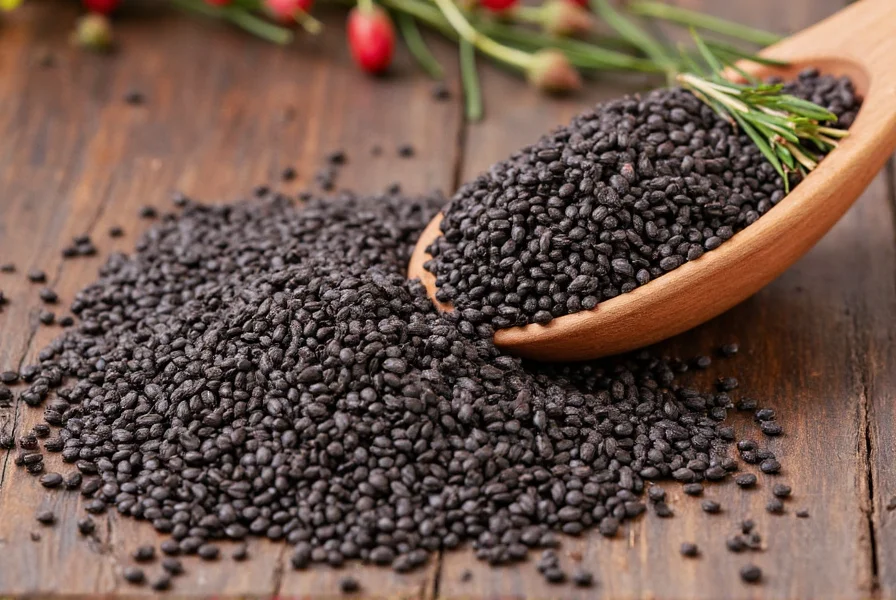
Black cumin seeds have been used for thousands of years across Middle Eastern and South Asian cultures for both culinary and traditional medicinal purposes. The organic variety specifically refers to seeds grown following strict agricultural standards that prohibit synthetic pesticides, herbicides, and genetically modified organisms. This cultivation method preserves the seed's natural phytochemical profile while eliminating potential contaminants.
Understanding Black Cumin Seeds: Botanical Background
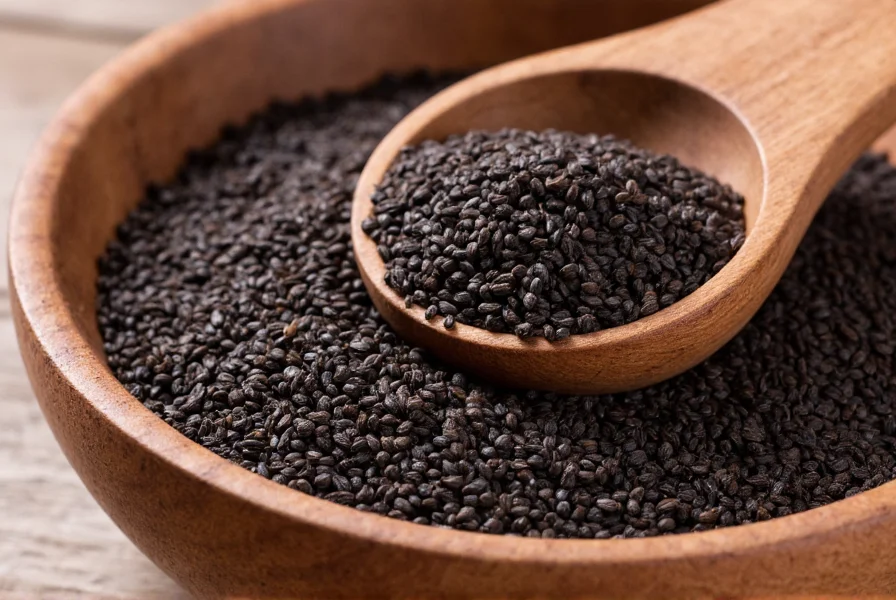
Nigella sativa belongs to the Ranunculaceae family and produces small, matte black seeds with a distinctive nutty, slightly peppery flavor. Unlike regular cumin (Cuminum cyminum), black cumin seeds come from a different plant species entirely. The confusion in naming stems from historical trade routes where "cumin" became a generic term for various spice seeds.
Organic certification requires third-party verification that the seeds have been grown on land free from prohibited substances for at least three years. This certification process ensures traceability from farm to consumer, providing transparency about growing conditions and handling practices.
Historical Evolution and Scientific Validation Timeline
Centuries of traditional use have been progressively validated through modern scientific research, revealing key milestones in understanding black cumin's therapeutic potential:
| Time Period | Historical Documentation | Scientific Validation |
|---|---|---|
| 1300-1500 BCE | Found in Egyptian pharaohs' tombs and Ebers Papyrus as treatment for headaches and infections | Archaeobotanical analysis confirms medicinal use (source: National Center for Biotechnology Information) |
| 7th century CE | Prophet Muhammad's recommendation as "a cure for every disease except death" in Sahih al-Bukhari | Modern studies confirm broad-spectrum antimicrobial effects (source: National Center for Biotechnology Information) |
| 1025 CE | Avicenna's Canon of Medicine prescribes for digestive/respiratory ailments | Clinical trials validate efficacy in asthma and IBS (source: National Center for Biotechnology Information) |
| 2000s-present | Global integration into functional foods and nutraceuticals | Over 500 clinical studies on metabolic/immune benefits (source: National Library of Medicine) |
Organic vs. Conventional Black Cumin Seeds: Key Differences
The primary distinction between organic and conventional black cumin seeds lies in cultivation practices and potential chemical residues:
| Characteristic | Organic Black Cumin Seeds | Conventional Black Cumin Seeds |
|---|---|---|
| Cultivation Methods | Grown without synthetic pesticides or fertilizers | May use synthetic agricultural chemicals |
| Soil Management | Emphasizes soil health through crop rotation and natural composting | May deplete soil nutrients through intensive farming |
| Chemical Residues | Minimal to none, verified through testing | Potential pesticide residues |
| Certification | Requires third-party verification (USDA, EU Organic, etc.) | No specific certification required |
Nutritional Composition of Organic Black Cumin Seeds
Organic black cumin seeds contain over 100 bioactive compounds, with thymoquinone representing the most researched component. A comprehensive analysis reveals:
- Fatty acids: Approximately 30-40% fixed oil content including linoleic acid (omega-6) and oleic acid (omega-9)
- Protein: 20-25% protein content with all essential amino acids
- Phytochemicals: Thymoquinone, dithymoquinone, thymohydroquinone, and nigellone
- Vitamins and minerals: Rich in iron, calcium, potassium, zinc, and B-complex vitamins
Research published in the Journal of Ethnopharmacology indicates that organically grown black cumin seeds often demonstrate higher concentrations of certain phytochemicals compared to conventionally grown counterparts, potentially due to the plant's natural defense mechanisms in the absence of synthetic pesticides.
Scientifically Supported Health Benefits
Multiple clinical studies have investigated the therapeutic potential of organic black cumin seeds:
Immune System Support
A 2022 systematic review in Nutrients analyzed 18 clinical trials and found that black cumin seed supplementation significantly enhanced immune parameters including natural killer cell activity and cytokine regulation. The organic variety's purity makes it preferable for long-term immune support without potential chemical burden.
Antioxidant Properties
The Oxygen Radical Absorbance Capacity (ORAC) value of black cumin seeds ranks among the highest of all food seeds. Thymoquinone, the primary active compound, demonstrates potent free radical scavenging abilities that help protect cells from oxidative damage. Organic cultivation methods appear to preserve these antioxidant compounds more effectively.
Metabolic Health
Research in the Journal of Diabetes & Metabolic Disorders showed that daily consumption of black cumin seeds improved fasting blood glucose levels and insulin sensitivity in prediabetic individuals. The study used certified organic seeds to eliminate potential confounding factors from pesticide residues.
Contextual Applicability and Limitations
Effectiveness varies significantly based on usage context and individual health status. Evidence-based boundaries include:
| Application Scenario | Optimal Use Conditions | Documented Limitations |
|---|---|---|
| Immune modulation | Preventive daily use in healthy adults; during seasonal transitions | Ineffective for acute infections; not substitute for vaccines (source: NIH Office of Dietary Supplements) |
| Metabolic regulation | Prediabetic populations with lifestyle modifications | Minimal impact in type 1 diabetes; requires 12+ weeks for measurable effects (source: NIH Office of Dietary Supplements) |
| Antioxidant support | Complement to whole-food diets in low-stress environments | Insufficient against severe oxidative stress from smoking/toxins (source: NIH Office of Dietary Supplements) |
Practical Usage Guidelines for Organic Black Cumin Seeds
For maximum benefit and safety, consider these evidence-based usage recommendations:
Culinary Applications
Organic black cumin seeds work well in:
- Flatbreads and naan (toast seeds before incorporating)
- Curry bases and vegetable dishes (add during tempering)
- Salad dressings (grind with other spices)
- Herbal teas (steep 1 tsp seeds in hot water)
Therapeutic Dosage
Research suggests effective daily amounts:
- General wellness: 1-2 teaspoons of whole seeds or 1/2-1 teaspoon of ground seeds
- Targeted support: Up to 3 grams daily of standardized extract (consult healthcare provider)
For optimal absorption, consume black cumin seeds with healthy fats like olive oil or avocado, as their active compounds are fat-soluble.
Safety Considerations and Potential Interactions
While generally recognized as safe, certain precautions apply:
- Pregnancy: Avoid therapeutic doses during pregnancy due to potential uterine stimulation
- Medication interactions: May enhance effects of blood pressure medications and diabetes drugs
- Allergies: Rare but possible, especially in individuals sensitive to plants in the Ranunculaceae family
- Autoimmune conditions: Consult physician before use as black cumin seeds may stimulate immune activity
The American Herbal Products Association rates black cumin seeds as Class 1 (safe when used appropriately). Organic certification provides additional assurance of purity, particularly important for individuals with chemical sensitivities or those following strict clean eating protocols.
Storage Recommendations for Maximum Potency
To preserve the delicate compounds in organic black cumin seeds:
- Store in airtight glass container away from light and heat
- Keep whole seeds rather than pre-ground to maintain freshness
- Refrigerate for long-term storage (up to 2 years)
- Check for rancidity by smell before use (fresh seeds have distinctive aroma)
Proper storage maintains the integrity of thymoquinone and other volatile compounds that degrade when exposed to oxygen, light, and heat. Organic seeds without chemical preservatives require more careful storage than conventionally treated products.




 浙公网安备
33010002000092号
浙公网安备
33010002000092号 浙B2-20120091-4