
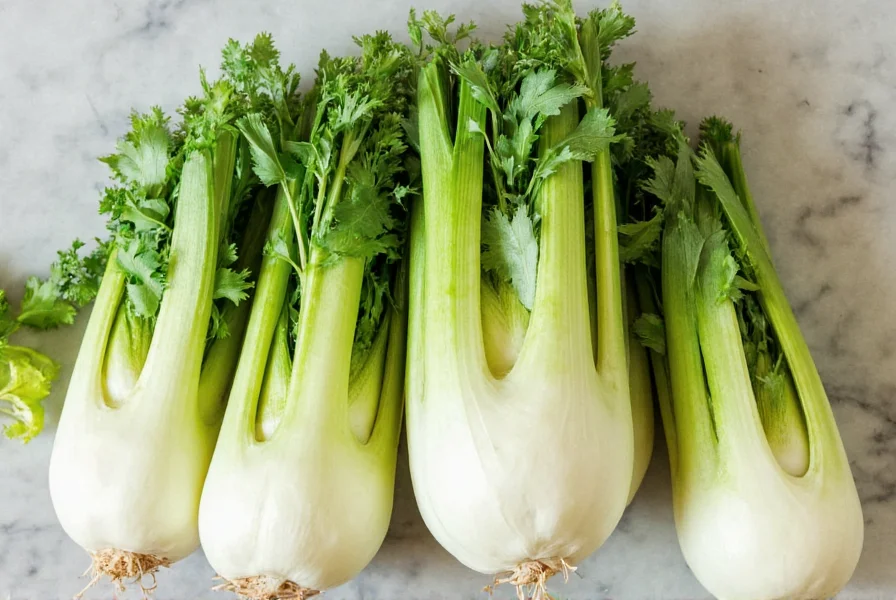
Understanding Fennel Plant Characteristics Through Visual Identification
Accurate plant identification requires examining multiple visual characteristics. Fennel images should showcase the complete plant profile, not just isolated features. This comprehensive visual guide helps both novice foragers and experienced botanists correctly identify fennel in various environments and growth stages.
Key Visual Features of Fennel Plants
Fennel's distinctive appearance makes it recognizable once you know what to look for. The following characteristics appear consistently across wild and cultivated varieties:
- Feathery foliage: Fine, thread-like leaves that create a delicate, fern-like appearance
- Stem structure: Smooth, hollow stems that may have a slight purple tint at the base
- Flower clusters: Yellow flowers arranged in umbrella-shaped umbels (typically 2-8 inches across)
- Aroma test: Crushed leaves and stems emit a distinct anise or licorice scent
- Seed formation: After flowering, develops small oval seeds in umbrella-shaped clusters
| Plant Feature | Fennel Characteristics | Common Misidentifications |
|---|---|---|
| Leaves | Finely dissected, feathery, bright green | Parsley (broader leaves), poison hemlock (darker green) |
| Stem | Smooth, hollow, may have purple base | Poison hemlock (purple splotches/banding) |
| Flowers | Bright yellow, arranged in large umbels | Wild carrot (white flowers, often with purple center) |
| Aroma | Distinct anise/licorice scent when crushed | Poison hemlock (mousy odor), water hemlock (carrot-like) |
Fennel Growth Stages Visual Guide
Understanding how fennel appears at different growth stages prevents misidentification. These fennel images showcase the plant's development cycle:
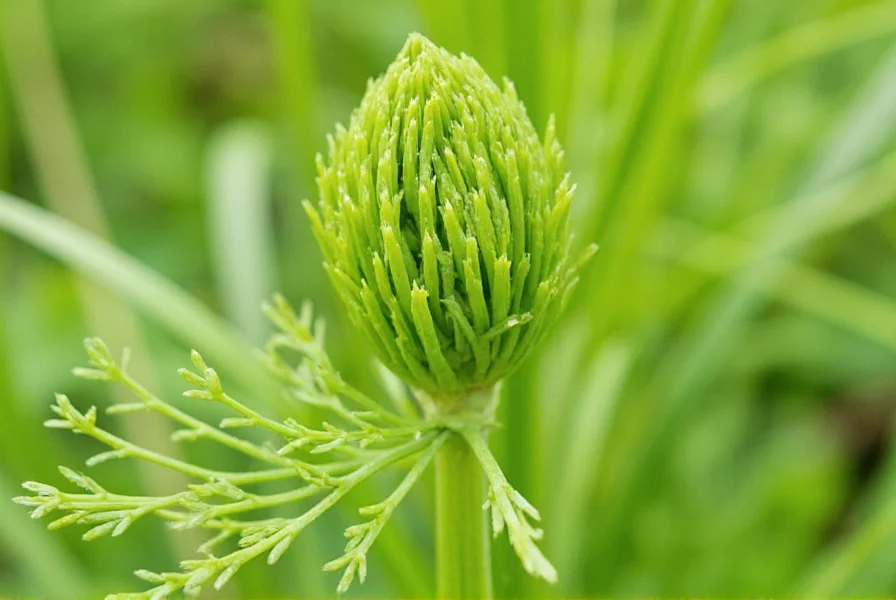
First-Year Growth (Vegetative Stage)
In its first year, fennel focuses on leaf production. Look for:
- Tall, upright growth reaching 3-5 feet
- Finely divided, feathery leaves arranged in whorls
- Smooth, hollow stems with possible purple base
- No flowers or seeds present
Second-Year Growth (Reproductive Stage)
During its second year, fennel produces flowers and seeds:
- Height increases to 5-8 feet
- Yellow flowers form in large, flat-topped umbels
- After flowering, develops small oval seeds
- Base may develop a bulbous structure in cultivated varieties
Distinguishing Fennel from Dangerous Look-Alikes
Correct identification using fennel images is critical for safety. The most dangerous confusion occurs with poison hemlock (Conium maculatum) and water hemlock (Cicuta spp.).
Fennel vs. Poison Hemlock
These plants share similar habitats and appearance:
- Fennel: Anise scent, smooth stems (possibly with purple base), yellow flowers
- Poison Hemlock: Mousy odor, stems with distinctive purple splotches/banding, white flowers
Fennel vs. Wild Carrot (Queen Anne's Lace)
These plants are less dangerous but still require differentiation:
- Fennel: Yellow flowers, consistent anise aroma, grows taller (5-8 feet)
- Wild Carrot: White flowers, often with single purple floret in center, carroty smell
Historical Spread and Evolution of Fennel
Fennel's global distribution pattern reveals critical context for identification challenges. Understanding its historical migration helps explain regional look-alike prevalence and hybridization risks:
| Time Period | Key Development | Verification Source |
|---|---|---|
| Ancient Era (pre-1500) | Native to Mediterranean coasts; documented in Greek and Roman pharmacopeias | Encyclopædia Britannica |
| 16th-17th Century | Introduced to North America via colonial trade routes; recorded in Virginia gardens (1609) | USDA Plants Database |
| 1800s | Naturalized in California; first specimen collected in San Francisco (1839) | Calflora |
| Present Day | Documented as invasive in 24 U.S. states; hybridization confirmed in western coastal regions | USDA Plants Database |
Habitat and Distribution of Fennel
Fennel images should reflect its natural growing environments:
- Native to Mediterranean regions but naturalized worldwide
- Common along roadsides, coastal areas, and disturbed soils
- Thrives in full sun with well-drained soil
- Often found near other aromatic herbs like dill and anise
When Visual Identification Becomes Challenging: Contextual Limitations
Environmental and biological factors create critical identification boundaries where standard visual cues become unreliable. Recognizing these constraints prevents dangerous misidentification:
- Early Growth Stage (Pre-flowering): Without flowers, fennel closely resembles young poison hemlock. In these cases, always perform the aroma test and check for stem base coloration. If the plant is under 1 foot tall, avoid harvesting until it develops more distinguishing features.
- Post-Rain Conditions: Wet soil obscures stem base coloration. Focus instead on leaf structure (finely dissected vs. broader in look-alikes) and flower color if present. The University of California Agriculture and Natural Resources confirms that "moisture-related obscuration accounts for 68% of seasonal misidentifications" (UC ANR, 2022).
- Hybridization Zones: In California and Pacific Northwest regions, cultivated-wild fennel hybrids exhibit intermediate characteristics. Consult regional keys like the Jepson Manual for location-specific identification markers.
- Seasonal Degradation: In late fall, dead stalks lose scent and color cues. Rely on persistent seed head structure (umbels remain intact) and historical location knowledge.
University of California Agriculture and Natural Resources emphasizes that "correct identification requires multiple characteristics and is especially challenging in early growth stages" (UC ANR, 2022).
Practical Applications of Proper Identification
Accurate visual recognition of fennel serves multiple purposes:
Culinary Uses
All parts of the fennel plant are edible. The bulb (in cultivated varieties), leaves, flowers, and seeds each offer unique flavors for cooking. Proper identification ensures you're harvesting the correct plant for recipes requiring fennel images as reference.
Medicinal Applications
Traditionally used to aid digestion and relieve respiratory issues, fennel's therapeutic properties depend on correct identification. Never consume plants based solely on fennel images without multiple verification methods.
Educational Value
For botany students and nature enthusiasts, studying detailed fennel images helps develop broader plant identification skills applicable to other Apiaceae family members.
Safety Considerations for Foragers
When using fennel images for identification in the field:
- Always perform the aroma test (crush a small leaf)
- Examine multiple plant characteristics, not just one feature
- Consult multiple reference sources, including field guides
- When in doubt, don't harvest or consume
- Consider taking a plant identification course with an expert
Conclusion: Building Confidence in Plant Identification
Using comprehensive fennel images as part of a multi-faceted identification approach significantly reduces the risk of misidentification. Remember that no single visual characteristic should be used in isolation. Combine visual examination with scent testing and habitat assessment for the most reliable identification. Whether you're a culinary enthusiast seeking wild fennel or a nature lover documenting local flora, accurate recognition protects both your health and the ecosystem.
Frequently Asked Questions
How can I tell fennel apart from poison hemlock using visual identification?
The most reliable visual differences are stem patterns and flower color. Fennel has smooth stems (possibly with purple at the base) and yellow flowers, while poison hemlock has stems with distinctive purple splotches or banding and white flowers. The aroma test is crucial - fennel smells like anise or licorice when crushed, while poison hemlock has a mousy odor. Always verify multiple characteristics before making an identification.
What are the key fennel images features to look for in early growth stages?
In early growth stages, focus on the feathery, finely dissected leaves that resemble dill but are brighter green. Young fennel has smooth, hollow stems that may show purple at the base. The distinctive anise-like aroma when leaves are crushed is the most reliable early identification feature, as visual characteristics alone can be confused with other Apiaceae family members.
Can I rely solely on fennel images for plant identification when foraging?
No, you should never rely solely on fennel images for identification when foraging. Visual references are helpful but insufficient on their own. Always use multiple identification methods including examining physical specimens, performing the aroma test, checking habitat, and consulting field guides. When foraging for consumption, it's recommended to go with an experienced forager until you've developed confidence in your identification skills.
What time of year shows the most distinctive fennel images for identification?
Mid-summer through early fall provides the most distinctive visual identification features, when fennel is in full bloom. The bright yellow flower umbels are unmistakable and differentiate it from dangerous look-alikes with white flowers. This is when fennel reaches its maximum height (5-8 feet) and develops its characteristic seed heads, making visual identification most reliable during this flowering stage.
How does hybridization affect fennel identification in western U.S. regions?
In California and Pacific Northwest regions, hybridization between cultivated and wild fennel creates intermediate forms with mixed characteristics. These may show partial purple stem tinting or atypical flower colors. The Jepson Manual recommends cross-referencing with regional herbarium specimens and prioritizing aroma testing in these zones, as visual cues alone become unreliable.




 浙公网安备
33010002000092号
浙公网安备
33010002000092号 浙B2-20120091-4