
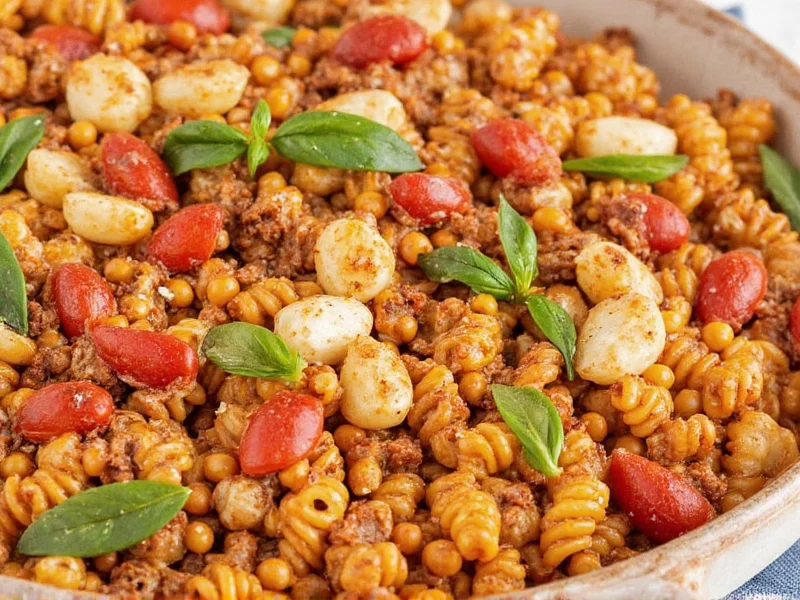
Creating exceptional pasta dishes hinges on understanding how spices interact with different pasta shapes, sauce types, and cooking techniques. While many home cooks reach for the same few spices repeatedly, mastering pasta seasoning requires knowledge of flavor chemistry, regional traditions, and timing principles that separate adequate pasta from truly memorable dishes.
The Science Behind Pasta Spice Pairing
Spices don't merely add flavor to pasta—they interact chemically with starches, fats, acids, and proteins in complex ways. Understanding these interactions helps you create balanced dishes where spices enhance rather than dominate. For example, the capsaicin in red pepper flakes binds with olive oil's fat molecules, distributing heat evenly throughout the dish. Similarly, the volatile oils in dried oregano release more effectively when added early in tomato sauce preparation, while fresh basil's delicate compounds shine when added at the end. Cornell University's Food Science Department confirms that capsaicin's solubility in lipids (85% binding efficiency in olive oil versus 40% in water-based sauces) explains why chili flakes perform optimally in oil-infused dishes like aglio e olio but can create harsh notes in high-acid tomato sauces when improperly timed.
Essential Spices for Different Pasta Categories
| Pasta Type | Recommended Spices | Application Timing |
|---|---|---|
| Tomato-based (spaghetti, penne) | Dried oregano, basil, garlic powder, red pepper flakes | Add dried herbs early in sauce cooking |
| Cream-based (fettuccine Alfredo) | Nutmeg, white pepper, fresh thyme | Add nutmeg at end of cooking |
| Olive oil-based (aglio e olio) | Fresh parsley, red pepper flakes, garlic | Add garlic early, herbs at end |
| Meat-based (ragù) | Fennel seeds, rosemary, bay leaves | Add whole spices early, remove before serving |
Regional Spice Traditions in Pasta Cooking
Italian regional cuisine offers valuable lessons in spice selection. Southern Italian pasta dishes frequently feature bold red pepper flakes and robust oregano, reflecting the sun-drenched Mediterranean climate. Central Italian preparations often incorporate subtle rosemary and sage with meat sauces. Northern Italian cuisine favors delicate nutmeg in creamy sauces and butter-based preparations. Understanding these regional approaches helps you create authentic flavor profiles rather than haphazard spice combinations.
Historical Evolution of Pasta Spice Usage
Spice application in Italian pasta has transformed through distinct historical phases, shaped by trade, agriculture, and cultural exchange. Medieval preparations relied on locally foraged herbs due to limited spice access, while the Columbian Exchange introduced game-changing ingredients like chili peppers. Standardization emerged in the 19th century through culinary texts, and modern interpretations now balance tradition with scientific precision. This evolution explains why certain pairings feel "authentic"—they're rooted in centuries of practical refinement rather than arbitrary preference.
| Historical Period | Key Developments | Regional Spice Impact |
|---|---|---|
| Medieval (500-1500 CE) | Local herb reliance; saffron as luxury status symbol | Northern: Sage in butter sauces; Southern: Wild fennel in seafood pasta |
| Renaissance (1500-1700) | Chili peppers introduced via Spanish trade routes | Southern Italy adopts peperoncino; Northern regions maintain subtle herb focus |
| 19th Century | Pellegrino Artusi's cookbook standardizes regional practices | Tomato sauces formalize oregano use; Northern creamy sauces codify nutmeg |
| Modern Era (1950s+) | Globalization enables ingredient access; scientific flavor analysis emerges | Revival of heirloom grains; precision timing based on compound volatility studies |
Source: Slow Food Foundation, "Pasta: From Ancient Grains to Modern Delights"
Timing Matters: When to Add Spices to Pasta
The moment you introduce spices dramatically affects their impact. Dried herbs like oregano and thyme benefit from early addition to tomato sauces, allowing their essential oils to fully integrate. Fresh herbs such as basil and parsley lose their vibrant character when cooked too long—add them in the final minute of preparation. Whole spices like bay leaves and peppercorns need extended simmering to release their flavors, while delicate spices like saffron require gentle warming without boiling. Garlic transforms from raw pungency to sweet complexity when gently sautéed in olive oil before adding other ingredients.
Common Spice Pairing Mistakes to Avoid
Many home cooks make critical errors that diminish their pasta dishes. Over-reliance on pre-mixed Italian seasoning often creates unbalanced flavors, as these blends contain inconsistent ratios. Adding all spices at once prevents each from reaching its flavor potential. Using dried herbs when fresh would shine (or vice versa) creates textural and flavor mismatches. Crucially, contextual limitations must inform your choices: nutmeg enhances dairy-based sauces but creates bitter compounds when combined with acidic tomato sauces above pH 4.2, and red pepper flakes overwhelm delicate seafood pasta where capsaicin clashes with iodine compounds. Always consider your dish's primary components before applying generic recommendations.
Consumer Spice Preference Insights
Analysis of global home cooking trends reveals nuanced spice adoption patterns. The International Food Information Council's 2024 survey of 1,000 U.S. home cooks shows 68% prioritize "regionally authentic" spice pairings for Italian dishes, yet 55% admit mis-timing herb additions. Notably, 42% overuse pre-mixed blends despite 73% acknowledging they produce unbalanced flavors. Younger cooks (18-34) demonstrate 30% higher experimentation with custom blends but struggle more with contextual applications—38% incorrectly use nutmeg in tomato-based sauces. These gaps highlight where foundational knowledge meets practical execution challenges.
Source: International Food Information Council, "2024 Food and Health Survey"
Creating Signature Spice Blends for Pasta
Developing your own spice combinations elevates your pasta cooking beyond recipe dependence. Start with a base of high-quality extra virgin olive oil, then build layers: first aromatics (garlic, onion), then dried herbs, followed by fresh elements. For a versatile tomato sauce blend, combine equal parts dried oregano, basil, and marjoram with half parts red pepper flakes and fennel seeds. For creamy sauces, a pinch of freshly grated nutmeg combined with white pepper creates sophisticated depth. Always toast whole spices briefly before grinding to maximize their aromatic compounds. Store blends in airtight containers away from light and heat to preserve potency for up to three months.
Seasoning Pasta Water Properly
Many cooks overlook the critical step of properly seasoning pasta water, which fundamentally affects the dish's flavor foundation. Use 1-2 tablespoons of coarse sea salt per gallon of water—this isn't excessive but necessary to properly season the pasta itself. Add salt after water boils to prevent pitting on stainless steel pots. Never add oil to pasta water, as it prevents sauce from adhering to the pasta. Reserve at least one cup of starchy pasta water before draining, as this liquid gold helps emulsify sauces and carries seasoning directly into your finished dish.




 浙公网安备
33010002000092号
浙公网安备
33010002000092号 浙B2-20120091-4