
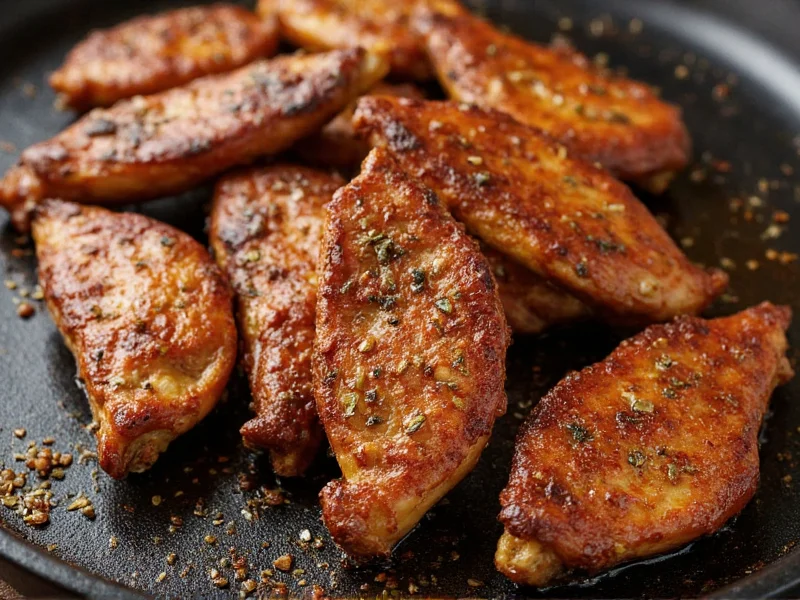
Blackened seasoning transforms ordinary proteins and vegetables into restaurant-quality dishes with its distinctive charred exterior and complex flavor profile. This versatile spice blend originated in Cajun cuisine and has become a staple in kitchens worldwide for its ability to create that signature "blackened" crust when cooked at high temperatures.
Historical Evolution of Blackened Seasoning
While deeply rooted in Cajun spice traditions, the modern blackened seasoning technique was pioneered by Chef Paul Prudhomme in the early 1980s at his New Orleans restaurant K-Paul's Louisiana Kitchen. Prudhomme's innovation involved coating fish (initially redfish) with a custom spice blend and searing it in a scorching cast-iron skillet, creating a flavorful charred crust through the Maillard reaction without deep-frying. This method gained national prominence after being featured in Prudhomme's 1984 cookbook Chef Paul Prudhomme's Louisiana Kitchen and subsequent television appearances. According to the James Beard Foundation's Hall of Fame profile, the resulting popularity of blackened redfish became so intense that it threatened Gulf Coast redfish populations, leading to temporary fishing bans and highlighting the dish's cultural impact [1].
Essential Components of Quality Blackened Seasoning
The magic of effective blackened seasoning lies in its carefully balanced ingredients. Each component serves a specific purpose in creating the perfect crust and flavor profile:
| Core Ingredient | Primary Function | Flavor Contribution |
|---|---|---|
| Smoked Paprika | Provides base color and smoky foundation | Earthy, slightly sweet smokiness |
| Cayenne Pepper | Creates the characteristic heat level | Sharp, immediate warmth |
| Garlic Powder | Enhances savory depth and adhesion | Pungent, aromatic backbone |
| Onion Powder | Complements garlic with sweet undertones | Mellow sweetness and complexity |
| Black Pepper | Adds sharpness and textural element | Pungent, floral notes |
What Makes Blackened Seasoning Truly Effective
Not all blackened seasonings deliver the same results. Professional chefs and experienced home cooks look for these critical characteristics when evaluating blackened seasoning quality:
Optimal Spice Ratio Balance
The perfect blackened seasoning maintains a 4:2:1 ratio of paprika to cayenne to garlic powder. This balance ensures the smokiness dominates without overwhelming heat, while the garlic provides depth without becoming bitter during high-heat cooking. Many commercial blends err by including too much cayenne, resulting in seasoning that burns quickly and creates excessive smoke.
Proper Particle Size and Texture
Effective blackened seasoning contains a mix of fine and coarse particles. The fine components (like paprika and cayenne) create the initial crust, while slightly coarser elements (such as cracked pepper) provide textural interest and prevent the seasoning from burning too quickly. Seasonings that are too fine often burn before developing proper flavor, while overly coarse blends won't adhere properly to food.
Freshness of Ingredients
Ground spices lose potency over time. The best blackened seasonings use freshly ground components with a shelf life of less than six months. Older spices produce flat, one-dimensional flavor and fail to develop the complex crust that defines proper blackened cooking. When evaluating store-bought options, check for production dates rather than just expiration dates.
Mastering Blackened Cooking Technique
Even the best blackened seasoning requires proper technique to achieve optimal results:
Preparation Essentials
Dry your protein thoroughly before applying seasoning—moisture prevents proper crust formation. Apply a generous, even layer of seasoning, pressing it gently into the surface. For best results, let seasoned food rest for 15-20 minutes before cooking to allow the spices to adhere properly.
Cooking Temperature and Timing
Use a cast-iron skillet preheated to 400-450°F (204-232°C). The oil should shimmer but not smoke excessively. Cook proteins for 2-3 minutes per side for proper crust development without burning the seasoning. The characteristic blackened crust should form within 90 seconds of contact with the hot surface.
Common Blackened Seasoning Mistakes
Many home cooks encounter issues with blackened seasoning due to these preventable errors:
- Using insufficient oil, causing spices to burn rather than form a crust
- Cooking at too high a temperature, resulting in bitter, acrid flavors
- Overcrowding the pan, which lowers temperature and prevents proper searing
- Applying too thin a layer of seasoning, which burns before developing flavor
- Using low-quality oil with a low smoke point
When Blackened Seasoning Isn't the Best Choice
Despite its versatility, blackened seasoning has specific limitations that affect performance and suitability. Understanding these boundaries prevents cooking failures and accommodates diverse needs:
- Incompatible cooking methods: The technique fundamentally requires dry, high-heat cooking (400-450°F). Using it for wet methods like braising or slow cooking causes premature burning without crust development. The Culinary Institute of America emphasizes that searing-specific rubs lose complexity and develop bitter notes at prolonged lower temperatures [2].
- Delicate ingredients: Thin fish fillets (e.g., sole), soft vegetables (like zucchini), and small shrimp often overcook before crust formation. Reserve for heartier items like salmon steaks, chicken thighs, or portobello mushrooms.
- Health considerations: Cayenne's capsaicin can trigger acid reflux in susceptible individuals. The Mayo Clinic specifically advises GERD patients to avoid heavily spiced foods as they may relax the lower esophageal sphincter [3].
- Environmental constraints: High-heat searing generates substantial smoke, making it impractical for smoke-sensitive spaces like apartments with strict detectors or fire-restricted outdoor areas.
Adapting Blackened Seasoning for Different Cuisines
While traditional blackened seasoning has Cajun roots, creative cooks have adapted it for various culinary traditions:
For Latin-inspired dishes, add a touch of achiote and cumin. Asian fusion versions might incorporate a small amount of five-spice powder. Mediterranean adaptations often include additional dried herbs like rosemary or marjoram. The key to successful adaptation is maintaining the foundational paprika-garlic-onion-cayenne structure while introducing complementary flavors.




 浙公网安备
33010002000092号
浙公网安备
33010002000092号 浙B2-20120091-4